Focus on the BIG picture.
Tuesday, Dec 23, 2025
Outside the box.

Racial Disparities Persist in Washington State Patrol Traffic Stops, New Data Shows
State patrol figures reveal drivers of colour are stopped and searched at higher rates than white motorists, prompting renewed calls for reform.
Newly released data from the Washington State Patrol shows that significant racial disparities continue to mark traffic enforcement across Washington State, with drivers of colour stopped and searched at disproportionately higher rates than their white counterparts.
The figures, presented to lawmakers in December, indicate that Black and Hispanic motorists were pulled over at substantially higher per capita rates in 2024 compared with white drivers, underscoring deep-seated patterns in policing that have drawn scrutiny from civil rights advocates.
According to the report, Black drivers were stopped more than one hundred and fifty-four times per thousand drivers, Hispanic drivers more than one hundred and two times per thousand, and white drivers around eighty-two times per thousand.
These disparities mirror trends seen in previous years and reflect concerns raised by accountability groups about unequal treatment in routine traffic contacts.
Native American drivers, while less likely to be stopped overall, were found to be subjected to high-discretion searches — where troopers use their judgment to inspect a vehicle — at rates far above those experienced by white motorists.
Traffic stops remain one of the most common forms of civilian contact with police, and advocacy groups like the American Civil Liberties Union’s Washington chapter argue that the differences in treatment can elevate risk during interactions and contribute to broader mistrust in law enforcement.
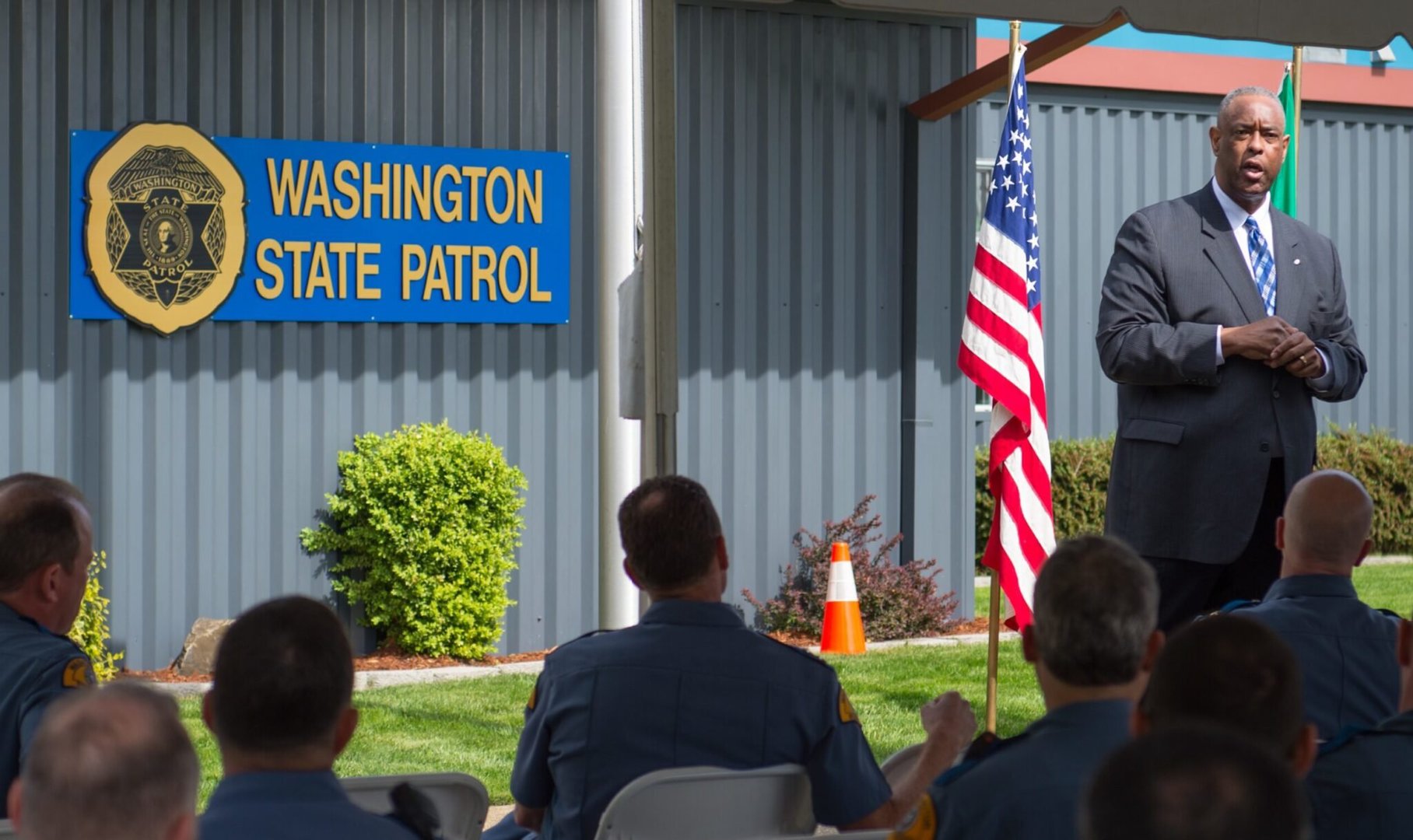
State Patrol leadership has acknowledged the data and reiterated its commitment to “fair, unbiased and professional policing statewide,” affirming ongoing efforts to strengthen training, community outreach and transparency.
The persistence of racial disparities has also fuelled legislative interest in revisiting how and when traffic stops are initiated.
In earlier sessions, lawmakers debated proposals to limit stops for minor or non-safety violations — aimed at reducing low-risk police contact that disproportionately affects minority communities — although such bills have faced resistance and stalled in committee.
Analysts and advocates suggest that addressing systemic issues in traffic enforcement will require both policy changes and sustained engagement between law enforcement, legislators and affected communities to ensure equity and public safety are balanced in future reforms.
The figures, presented to lawmakers in December, indicate that Black and Hispanic motorists were pulled over at substantially higher per capita rates in 2024 compared with white drivers, underscoring deep-seated patterns in policing that have drawn scrutiny from civil rights advocates.
According to the report, Black drivers were stopped more than one hundred and fifty-four times per thousand drivers, Hispanic drivers more than one hundred and two times per thousand, and white drivers around eighty-two times per thousand.
These disparities mirror trends seen in previous years and reflect concerns raised by accountability groups about unequal treatment in routine traffic contacts.
Native American drivers, while less likely to be stopped overall, were found to be subjected to high-discretion searches — where troopers use their judgment to inspect a vehicle — at rates far above those experienced by white motorists.
Traffic stops remain one of the most common forms of civilian contact with police, and advocacy groups like the American Civil Liberties Union’s Washington chapter argue that the differences in treatment can elevate risk during interactions and contribute to broader mistrust in law enforcement.
State Patrol leadership has acknowledged the data and reiterated its commitment to “fair, unbiased and professional policing statewide,” affirming ongoing efforts to strengthen training, community outreach and transparency.
The persistence of racial disparities has also fuelled legislative interest in revisiting how and when traffic stops are initiated.
In earlier sessions, lawmakers debated proposals to limit stops for minor or non-safety violations — aimed at reducing low-risk police contact that disproportionately affects minority communities — although such bills have faced resistance and stalled in committee.
Analysts and advocates suggest that addressing systemic issues in traffic enforcement will require both policy changes and sustained engagement between law enforcement, legislators and affected communities to ensure equity and public safety are balanced in future reforms.