Focus on the BIG picture.
Monday, Apr 27, 2026
Outside the box.

Starmer and Trump Push for Urgent Action to Secure Shipping Through Strait of Hormuz
UK–US coordination focuses on protecting one of the world’s most critical energy corridors amid escalating regional maritime tensions
ACTOR-DRIVEN diplomatic coordination is shaping renewed UK–US engagement over maritime security in the Strait of Hormuz, a strategic chokepoint through which a significant share of global oil and liquefied natural gas shipments pass.
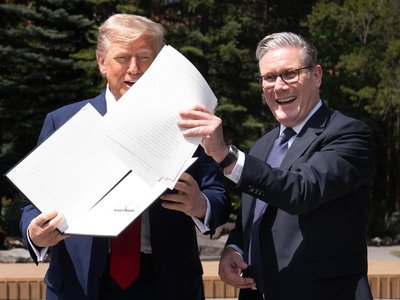
What is confirmed is that discussions between UK leadership under Prime Minister Keir Starmer and Donald Trump have focused on what has been described as an urgent need to restore and protect safe shipping through the Strait of Hormuz following heightened regional tensions affecting commercial navigation in the area.
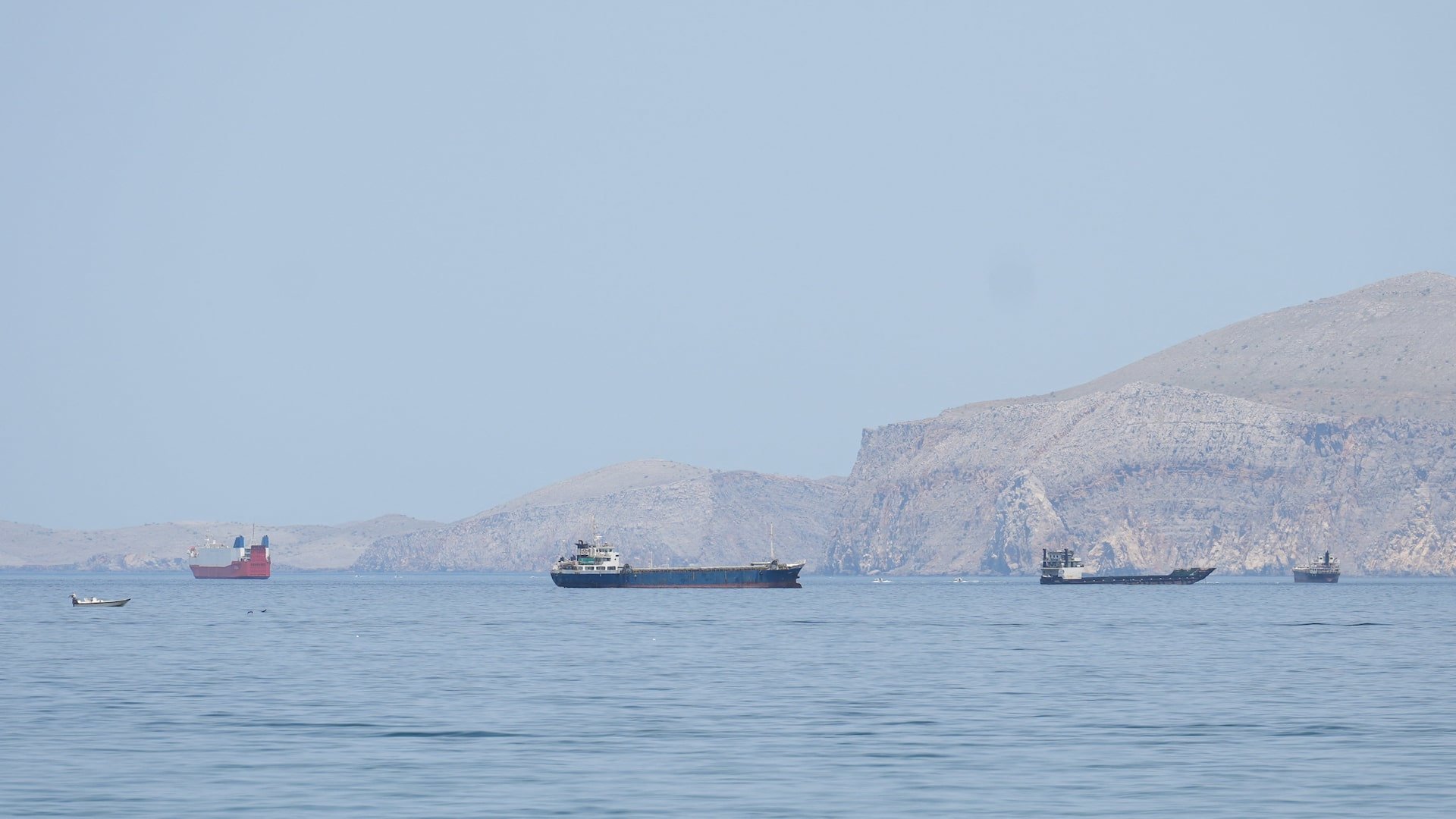
The Strait of Hormuz is a narrow waterway connecting the Persian Gulf with the Gulf of Oman and the Arabian Sea.
It is one of the most important energy transit routes in the world, with large volumes of crude oil and liquefied natural gas exported from Gulf states passing through it daily.
Any disruption to traffic in the strait can rapidly affect global energy prices and supply stability.
The mechanism behind the current concern is rooted in maritime risk escalation.
Regional geopolitical tensions have led to increased threats against commercial shipping, including reported interference with vessel movements, heightened military presence in surrounding waters, and warnings issued by maritime security agencies.
These conditions raise insurance costs, slow shipping flows, and increase the likelihood of rerouted cargo, all of which contribute to global market volatility.
The UK and US position reflects a shared interest in maintaining freedom of navigation through key international waterways.
Both countries rely heavily on stable global energy markets, and disruptions in the Strait of Hormuz have historically triggered rapid increases in oil prices and broader economic uncertainty.
Even short-term interruptions can have outsized global effects due to the concentration of energy exports in the region.
Security cooperation in such contexts typically involves naval patrol coordination, intelligence sharing, and diplomatic pressure aimed at deterring interference with commercial shipping.
Western naval forces have previously operated in the region to escort vessels, monitor activity, and respond to maritime incidents under international maritime security frameworks.
The stakes extend beyond energy pricing.
Shipping instability in the Strait of Hormuz affects global supply chains, shipping insurance markets, and industrial input costs across multiple economies.
For import-dependent countries, sustained disruption can translate into inflationary pressure and increased energy insecurity.
The discussions also reflect broader geopolitical positioning.
Maritime chokepoints such as the Strait of Hormuz are increasingly viewed as strategic leverage points in global tensions, where even limited disruption can produce disproportionate economic impact.
As a result, securing these routes has become a central concern in international security planning.
The immediate outcome of the UK–US discussions is a reaffirmation of intent to prioritize maritime security in the region and prevent further disruption to commercial shipping.
Operational measures and diplomatic coordination are expected to continue as regional conditions evolve.
What is confirmed is that discussions between UK leadership under Prime Minister Keir Starmer and Donald Trump have focused on what has been described as an urgent need to restore and protect safe shipping through the Strait of Hormuz following heightened regional tensions affecting commercial navigation in the area.
The Strait of Hormuz is a narrow waterway connecting the Persian Gulf with the Gulf of Oman and the Arabian Sea.
It is one of the most important energy transit routes in the world, with large volumes of crude oil and liquefied natural gas exported from Gulf states passing through it daily.
Any disruption to traffic in the strait can rapidly affect global energy prices and supply stability.
The mechanism behind the current concern is rooted in maritime risk escalation.
Regional geopolitical tensions have led to increased threats against commercial shipping, including reported interference with vessel movements, heightened military presence in surrounding waters, and warnings issued by maritime security agencies.
These conditions raise insurance costs, slow shipping flows, and increase the likelihood of rerouted cargo, all of which contribute to global market volatility.
The UK and US position reflects a shared interest in maintaining freedom of navigation through key international waterways.
Both countries rely heavily on stable global energy markets, and disruptions in the Strait of Hormuz have historically triggered rapid increases in oil prices and broader economic uncertainty.
Even short-term interruptions can have outsized global effects due to the concentration of energy exports in the region.
Security cooperation in such contexts typically involves naval patrol coordination, intelligence sharing, and diplomatic pressure aimed at deterring interference with commercial shipping.
Western naval forces have previously operated in the region to escort vessels, monitor activity, and respond to maritime incidents under international maritime security frameworks.
The stakes extend beyond energy pricing.
Shipping instability in the Strait of Hormuz affects global supply chains, shipping insurance markets, and industrial input costs across multiple economies.
For import-dependent countries, sustained disruption can translate into inflationary pressure and increased energy insecurity.
The discussions also reflect broader geopolitical positioning.
Maritime chokepoints such as the Strait of Hormuz are increasingly viewed as strategic leverage points in global tensions, where even limited disruption can produce disproportionate economic impact.
As a result, securing these routes has become a central concern in international security planning.
The immediate outcome of the UK–US discussions is a reaffirmation of intent to prioritize maritime security in the region and prevent further disruption to commercial shipping.
Operational measures and diplomatic coordination are expected to continue as regional conditions evolve.