Focus on the BIG picture.
Monday, Apr 27, 2026
Outside the box.

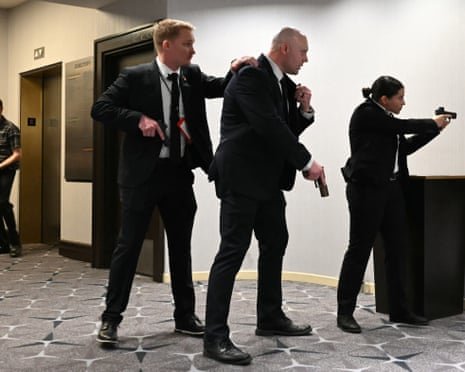
Washington shooting sparks renewed debate over political violence and America’s gun culture
An armed attack during the White House Correspondents’ Dinner in Washington has intensified scrutiny of security failures, political extremism, and the United States’ entrenched relationship with firearms.
SYSTEM-DRIVEN — the incident is being shaped less by a single moment of violence than by the institutional conditions around political security, firearm access, and escalating polarization in the United States.
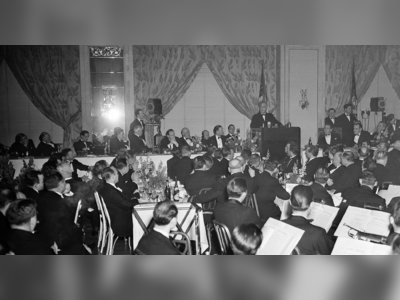
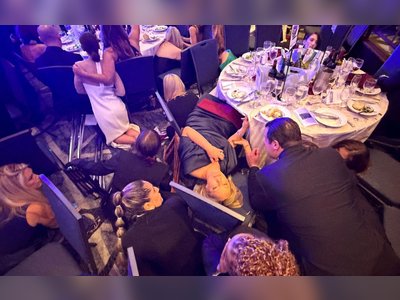
A shooting at the White House Correspondents’ Dinner in Washington, held at the Washington Hilton, has become a focal point for renewed concern about political violence in the United States.
What is confirmed is that an armed assailant attempted to breach security at the high-profile event, where senior political figures, journalists, and President Donald Trump were present.
A Secret Service agent was injured during the confrontation and later reported to be recovering after being protected by body armor.
The suspect was taken into custody at the scene.
Authorities identified the attacker as a 31-year-old man from California who allegedly arrived in Washington shortly before the event and carried multiple weapons, including firearms and knives.
Investigators have indicated that he left written material expressing grievances against Trump administration policies and political institutions.
These materials, described in reporting as a manifesto-like statement, are being treated as part of the evidence base for motive analysis, though not all content has been independently verified in full.
Security officials say the suspect attempted to force entry toward the ballroom area where attendees, including Trump and senior officials, were located.
He was intercepted before reaching the main event space.
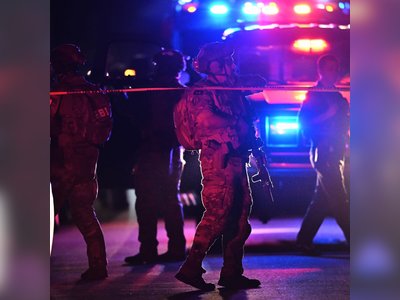
The rapid response by Secret Service personnel prevented wider casualties, but the breach has raised serious questions about perimeter security at one of Washington’s most closely monitored annual political gatherings.
The incident immediately triggered a large-scale federal investigation.
The suspect faces multiple federal charges, including violent assault on a federal officer and firearms-related offenses.
Law enforcement agencies are also reviewing digital communications, travel history, and potential ideological motivations.
At this stage, officials have not publicly confirmed whether he acted entirely alone in planning or whether external influences played a role, but current assessments point toward a lone attacker.
The shooting has also reignited debate over political violence in the United States.
The event occurred in a context already marked by heightened polarization, previous assassination attempts against political figures, and widespread concern over firearm availability.
Analysts and public officials are focusing on how easily a heavily armed individual was able to approach a tightly secured political venue, even if ultimately stopped before causing mass casualties.
Reactions from political leaders have been sharply unified in condemning the attack.
Statements from multiple governments emphasized that political violence represents a direct threat to democratic institutions and public participation.
Security arrangements for upcoming high-profile events are now under review, with particular attention to the adequacy of screening procedures and intelligence coordination.
Beyond immediate security implications, the incident has reopened a broader policy argument in the United States about gun culture and political rhetoric.
Critics argue that persistent normalization of armed political environments increases systemic risk, while others focus on mental health, enforcement gaps, and intelligence failures.
No consensus has emerged on preventive measures, but pressure is building for tighter protective protocols around national political events.
The investigation remains active, with federal prosecutors preparing formal charges and forensic teams examining evidence collected from the suspect’s communications and movements.
Security agencies are treating the case as a major breach attempt against a high-value political target environment, reinforcing the likelihood of long-term changes to event security standards in Washington.
The attack has not altered the functioning of federal institutions, but it has intensified scrutiny of how political events are protected in an environment where symbolic gatherings are increasingly viewed as potential targets rather than routine ceremonies.
A shooting at the White House Correspondents’ Dinner in Washington, held at the Washington Hilton, has become a focal point for renewed concern about political violence in the United States.
What is confirmed is that an armed assailant attempted to breach security at the high-profile event, where senior political figures, journalists, and President Donald Trump were present.
A Secret Service agent was injured during the confrontation and later reported to be recovering after being protected by body armor.
The suspect was taken into custody at the scene.
Authorities identified the attacker as a 31-year-old man from California who allegedly arrived in Washington shortly before the event and carried multiple weapons, including firearms and knives.
Investigators have indicated that he left written material expressing grievances against Trump administration policies and political institutions.
These materials, described in reporting as a manifesto-like statement, are being treated as part of the evidence base for motive analysis, though not all content has been independently verified in full.
Security officials say the suspect attempted to force entry toward the ballroom area where attendees, including Trump and senior officials, were located.
He was intercepted before reaching the main event space.
The rapid response by Secret Service personnel prevented wider casualties, but the breach has raised serious questions about perimeter security at one of Washington’s most closely monitored annual political gatherings.
The incident immediately triggered a large-scale federal investigation.
The suspect faces multiple federal charges, including violent assault on a federal officer and firearms-related offenses.
Law enforcement agencies are also reviewing digital communications, travel history, and potential ideological motivations.
At this stage, officials have not publicly confirmed whether he acted entirely alone in planning or whether external influences played a role, but current assessments point toward a lone attacker.
The shooting has also reignited debate over political violence in the United States.
The event occurred in a context already marked by heightened polarization, previous assassination attempts against political figures, and widespread concern over firearm availability.
Analysts and public officials are focusing on how easily a heavily armed individual was able to approach a tightly secured political venue, even if ultimately stopped before causing mass casualties.
Reactions from political leaders have been sharply unified in condemning the attack.
Statements from multiple governments emphasized that political violence represents a direct threat to democratic institutions and public participation.
Security arrangements for upcoming high-profile events are now under review, with particular attention to the adequacy of screening procedures and intelligence coordination.
Beyond immediate security implications, the incident has reopened a broader policy argument in the United States about gun culture and political rhetoric.
Critics argue that persistent normalization of armed political environments increases systemic risk, while others focus on mental health, enforcement gaps, and intelligence failures.
No consensus has emerged on preventive measures, but pressure is building for tighter protective protocols around national political events.
The investigation remains active, with federal prosecutors preparing formal charges and forensic teams examining evidence collected from the suspect’s communications and movements.
Security agencies are treating the case as a major breach attempt against a high-value political target environment, reinforcing the likelihood of long-term changes to event security standards in Washington.
The attack has not altered the functioning of federal institutions, but it has intensified scrutiny of how political events are protected in an environment where symbolic gatherings are increasingly viewed as potential targets rather than routine ceremonies.