Focus on the BIG picture.
Monday, Apr 27, 2026
Outside the box.

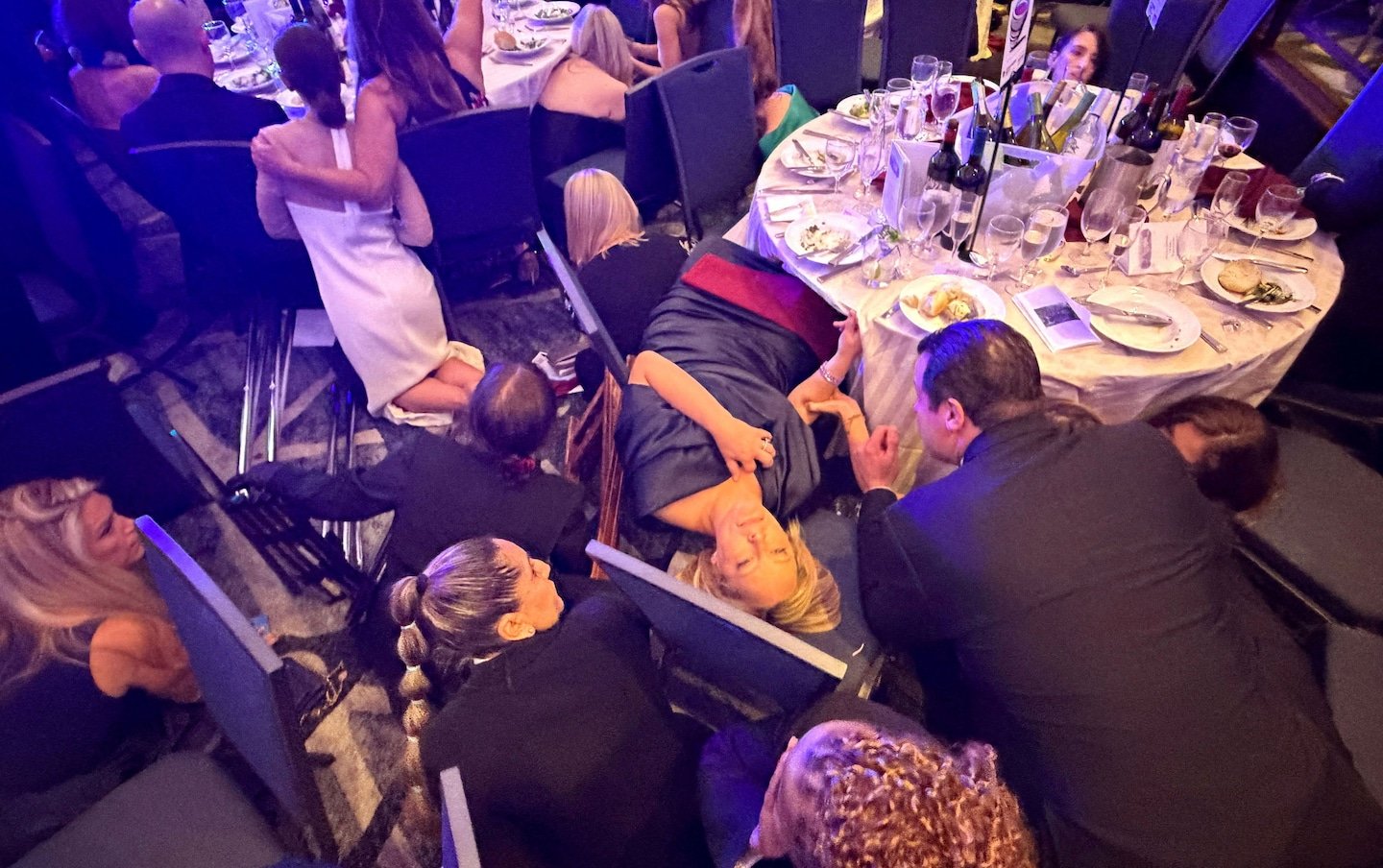

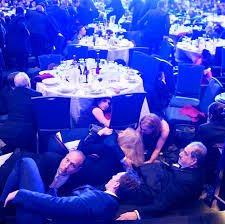
White House Correspondents’ Dinner Held Without Top Security Designation Amid Breach and Armed Intrusion
Despite attendance by the president and senior officials, the event was not classified as a National Special Security Event, leaving security responsibilities fragmented before a gunman attempted to breach the venue
SYSTEM-DRIVEN security planning failures and classification rules shaped the conditions under which a major armed security breach unfolded at the 2026 White House Correspondents’ Dinner in Washington, an annual political and media gathering attended by senior U.S. officials.
What is confirmed is that the event, held at the Washington Hilton, was not designated as a National Special Security Event, the highest federal security classification used for gatherings involving the president and other top government figures.
That designation typically places the U.S. Secret Service in full operational control of multi-agency protection, including perimeter security, access screening, and coordination with local law enforcement.
Instead, security responsibilities were divided.
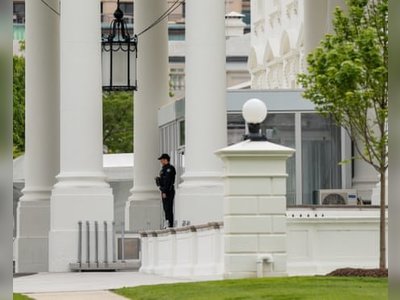
The Secret Service was tasked primarily with protecting the ballroom and immediate surrounding areas, while local police handled external traffic and broader site logistics.
This division created structural gaps in responsibility across the wider hotel complex, which includes public spaces, guest rooms, and multiple entry points.
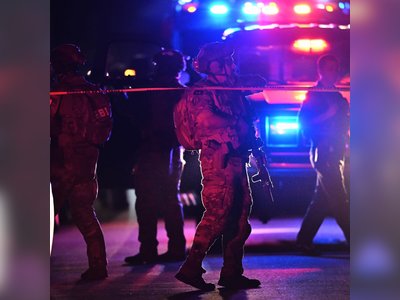
During the event, a man armed with multiple weapons, including a firearm and edged weapons, was able to enter the hotel and move within the building.
He was later intercepted and detained before reaching the main ballroom where President Donald Trump, Vice President JD Vance, Cabinet members, lawmakers, and thousands of journalists were gathered.
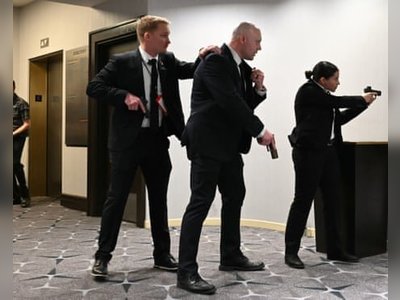
Security personnel evacuated senior officials during the incident, and no high-profile attendees were physically harmed.
Investigators have indicated that the suspect had accessed a room inside the hotel and moved through internal stairwells to bypass more visible security checkpoints.
This movement exposed a key vulnerability: while external screening at entry points existed, internal circulation within the building was not under a single consolidated protective perimeter.
The absence of the highest security designation has become the central point of scrutiny.
That classification is not automatic; it is typically assigned in advance based on expected attendance of protected individuals and operational planning timelines.
Officials involved in event preparation have indicated that the classification was not applied in this case, in part because presidential attendance at the dinner was not confirmed early in the planning cycle.
The incident has triggered competing interpretations of security performance.
Some officials argue that the rapid interception of the armed individual before he reached the protected ballroom demonstrates effective response and containment.
Others argue that the breach itself exposed structural weaknesses in how responsibility is divided across complex, multi-access venues hosting top government officials.
The broader implication is operational rather than episodic.
When high-value targets are concentrated in partially secured civilian venues, fragmented jurisdiction can create exploitable gaps between entry screening, internal hotel access, and protected event spaces.
The system relies heavily on early designation decisions that determine whether full federal command-and-control security architecture is activated.
Following the incident, scrutiny has intensified over whether future high-profile political and media events should default to higher security classification thresholds when senior officials are present, regardless of scheduling uncertainty or venue choice.
The outcome of that debate will determine whether similar large-scale gatherings continue to operate under mixed-security frameworks or shift toward centralized federal control in comparable scenarios.
What is confirmed is that the event, held at the Washington Hilton, was not designated as a National Special Security Event, the highest federal security classification used for gatherings involving the president and other top government figures.
That designation typically places the U.S. Secret Service in full operational control of multi-agency protection, including perimeter security, access screening, and coordination with local law enforcement.
Instead, security responsibilities were divided.
The Secret Service was tasked primarily with protecting the ballroom and immediate surrounding areas, while local police handled external traffic and broader site logistics.
This division created structural gaps in responsibility across the wider hotel complex, which includes public spaces, guest rooms, and multiple entry points.
During the event, a man armed with multiple weapons, including a firearm and edged weapons, was able to enter the hotel and move within the building.
He was later intercepted and detained before reaching the main ballroom where President Donald Trump, Vice President JD Vance, Cabinet members, lawmakers, and thousands of journalists were gathered.
Security personnel evacuated senior officials during the incident, and no high-profile attendees were physically harmed.
Investigators have indicated that the suspect had accessed a room inside the hotel and moved through internal stairwells to bypass more visible security checkpoints.
This movement exposed a key vulnerability: while external screening at entry points existed, internal circulation within the building was not under a single consolidated protective perimeter.
The absence of the highest security designation has become the central point of scrutiny.
That classification is not automatic; it is typically assigned in advance based on expected attendance of protected individuals and operational planning timelines.
Officials involved in event preparation have indicated that the classification was not applied in this case, in part because presidential attendance at the dinner was not confirmed early in the planning cycle.
The incident has triggered competing interpretations of security performance.
Some officials argue that the rapid interception of the armed individual before he reached the protected ballroom demonstrates effective response and containment.
Others argue that the breach itself exposed structural weaknesses in how responsibility is divided across complex, multi-access venues hosting top government officials.
The broader implication is operational rather than episodic.
When high-value targets are concentrated in partially secured civilian venues, fragmented jurisdiction can create exploitable gaps between entry screening, internal hotel access, and protected event spaces.
The system relies heavily on early designation decisions that determine whether full federal command-and-control security architecture is activated.
Following the incident, scrutiny has intensified over whether future high-profile political and media events should default to higher security classification thresholds when senior officials are present, regardless of scheduling uncertainty or venue choice.
The outcome of that debate will determine whether similar large-scale gatherings continue to operate under mixed-security frameworks or shift toward centralized federal control in comparable scenarios.