Focus on the BIG picture.
Monday, Apr 27, 2026
Outside the box.

Tillis ends Senate blockade, clearing final obstacle to Warsh Federal Reserve chair nomination
A Justice Department decision to close a probe into Fed renovation costs has shifted a key Senate vote, accelerating Kevin Warsh’s path to replacing Jerome Powell as Federal Reserve chief
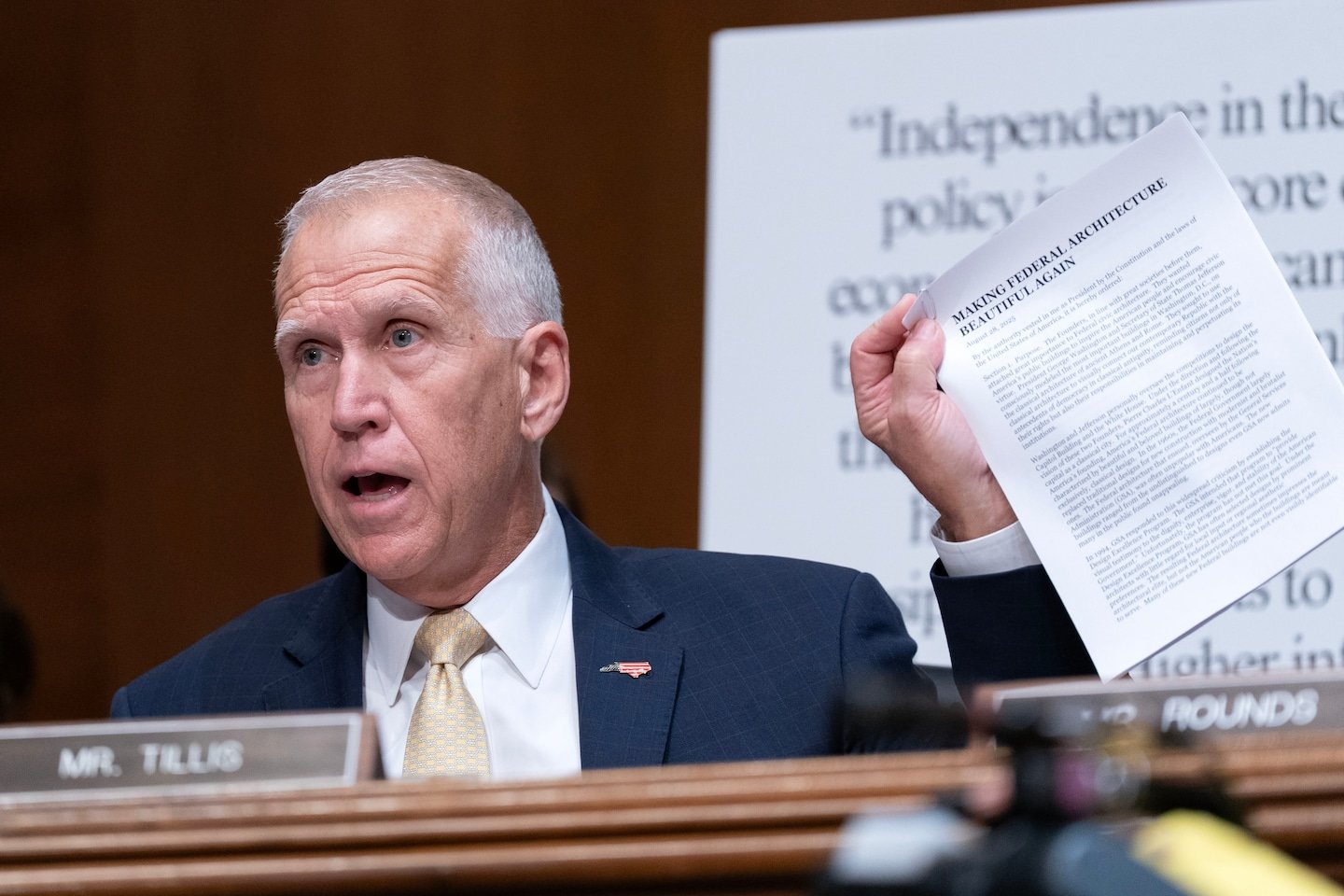
A Senate confirmation process shaped by legal scrutiny over Federal Reserve construction costs has shifted decisively after Senator Thom Tillis reversed his opposition to Kevin Warsh’s nomination to lead the central bank.
What is confirmed is that Tillis, a Republican member of the Senate Banking Committee, announced he will no longer block Warsh’s confirmation after the Department of Justice closed a criminal investigation into Federal Reserve Chair Jerome Powell.
The investigation had focused on alleged cost overruns in a multibillion-dollar renovation of Federal Reserve buildings in Washington.
Tillis had previously made his support conditional on the termination of that probe, arguing that an active criminal investigation into the sitting Fed chair risked undermining the institution’s independence and creating political pressure around monetary policy decisions.
With the case now closed, he has signaled he is prepared to allow the nomination to advance.
The immediate procedural consequence is significant.
Tillis’s opposition had been enough to stall Warsh in committee, where margins are narrow and a single Republican defection could prevent a full Senate vote.
His reversal removes that blockade and allows the nomination to proceed through the Senate Banking Committee toward a floor vote.
Warsh, a former Federal Reserve governor, was nominated by President Donald Trump to replace Jerome Powell when Powell’s term as chair ends on May 15. The selection has been politically contentious because Warsh is widely seen as more open to policy alignment with the administration’s preference for lower interest rates, although he has stated he would act independently if confirmed.
The legal backdrop that shaped the confirmation fight centered on allegations tied to a $2.5 billion renovation project at the Federal Reserve’s headquarters.
The Justice Department’s decision to end the criminal inquiry removed the primary condition Tillis had set for his support, although oversight officials within the Federal Reserve are still expected to review aspects of the project internally.
The broader institutional stakes extend beyond a single nomination.
The Federal Reserve’s independence from political pressure is a core principle of U.S. monetary governance, and both supporters and critics of Warsh’s nomination have framed the dispute as a test of that independence.
Supporters argue the closure of the investigation restores normal confirmation conditions.
Opponents argue the political context surrounding both the probe and the nomination risks blurring boundaries between law enforcement, the executive branch, and monetary policy.
With committee approval now expected to move forward, attention shifts to the full Senate vote, where party alignment and a small number of undecided members will determine whether Warsh is confirmed in time to assume leadership when Powell’s term expires in mid-May.
What is confirmed is that Tillis, a Republican member of the Senate Banking Committee, announced he will no longer block Warsh’s confirmation after the Department of Justice closed a criminal investigation into Federal Reserve Chair Jerome Powell.
The investigation had focused on alleged cost overruns in a multibillion-dollar renovation of Federal Reserve buildings in Washington.
Tillis had previously made his support conditional on the termination of that probe, arguing that an active criminal investigation into the sitting Fed chair risked undermining the institution’s independence and creating political pressure around monetary policy decisions.
With the case now closed, he has signaled he is prepared to allow the nomination to advance.
The immediate procedural consequence is significant.
Tillis’s opposition had been enough to stall Warsh in committee, where margins are narrow and a single Republican defection could prevent a full Senate vote.
His reversal removes that blockade and allows the nomination to proceed through the Senate Banking Committee toward a floor vote.
Warsh, a former Federal Reserve governor, was nominated by President Donald Trump to replace Jerome Powell when Powell’s term as chair ends on May 15. The selection has been politically contentious because Warsh is widely seen as more open to policy alignment with the administration’s preference for lower interest rates, although he has stated he would act independently if confirmed.
The legal backdrop that shaped the confirmation fight centered on allegations tied to a $2.5 billion renovation project at the Federal Reserve’s headquarters.
The Justice Department’s decision to end the criminal inquiry removed the primary condition Tillis had set for his support, although oversight officials within the Federal Reserve are still expected to review aspects of the project internally.
The broader institutional stakes extend beyond a single nomination.
The Federal Reserve’s independence from political pressure is a core principle of U.S. monetary governance, and both supporters and critics of Warsh’s nomination have framed the dispute as a test of that independence.
Supporters argue the closure of the investigation restores normal confirmation conditions.
Opponents argue the political context surrounding both the probe and the nomination risks blurring boundaries between law enforcement, the executive branch, and monetary policy.
With committee approval now expected to move forward, attention shifts to the full Senate vote, where party alignment and a small number of undecided members will determine whether Warsh is confirmed in time to assume leadership when Powell’s term expires in mid-May.