Focus on the BIG picture.
Monday, Apr 27, 2026
Outside the box.

U.S. Justice Department leverages Correspondents’ Dinner shooting to intensify push for Trump White House ballroom
After an armed attack at the Washington Hilton during the annual media dinner, federal officials argue the incident exposes security risks and should accelerate dismissal of a lawsuit blocking a $400 million White House ballroom project
A security and legal dispute over White House infrastructure has escalated after an armed attack at the Washington Hilton disrupted the White House Correspondents’ Dinner, prompting the U.S. Department of Justice to use the incident as justification to push for the dismissal of a lawsuit challenging President Donald Trump’s planned White House ballroom.
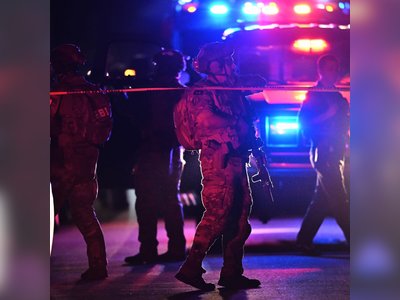
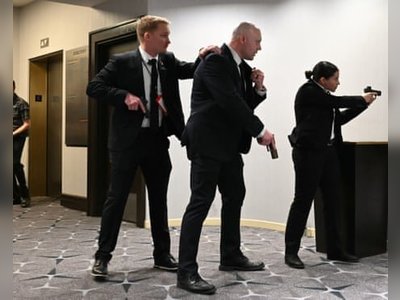
What is confirmed is that a gunman attempted to breach the venue hosting the annual dinner while Trump and senior officials were present, triggering an emergency evacuation and a rapid armed response by the Secret Service.
One federal agent was injured but survived, and the suspect was taken into custody at the scene.
Authorities have stated the attacker acted alone, and criminal charges related to weapons use and assault on a federal officer have been filed.
In the immediate aftermath, senior Justice Department officials issued a formal demand urging preservationists to drop their lawsuit seeking to block construction of a large ballroom project on the White House grounds.
The legal filing argues that the attack underscores what it describes as structural security risks associated with hosting major presidential events in external venues such as the Washington Hilton.
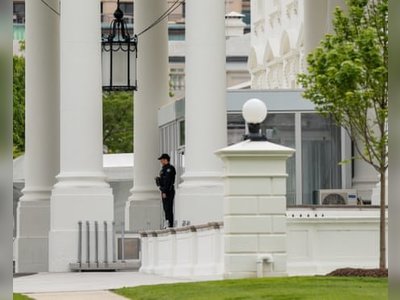
The administration’s position is that a purpose-built ballroom within the White House complex would reduce exposure to external threats by bringing large-scale diplomatic and political events inside a fortified, controlled perimeter.
Officials supporting the project cite planned security features such as reinforced materials, expanded secure perimeters, and integrated protective systems as central to their argument.
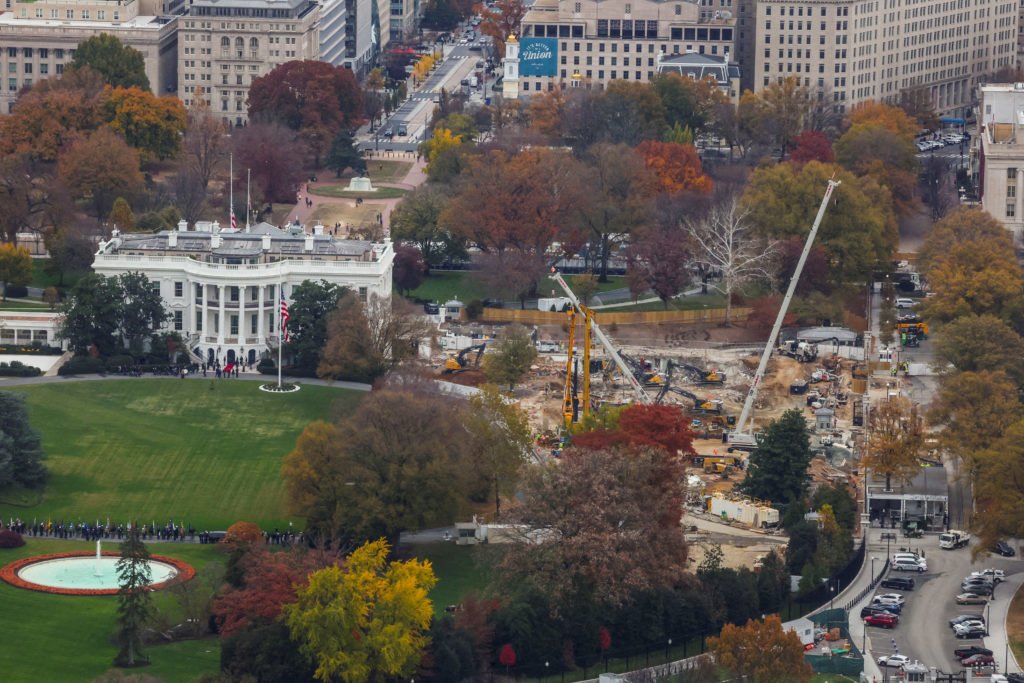
The lawsuit in question, brought by a historic preservation group, challenges the demolition of part of the White House East Wing to make room for the proposed $400 million ballroom.
The legal dispute centers on whether the administration had sufficient authorization to proceed without additional congressional approval and whether preservation rules were properly followed.
Construction activity has already partially proceeded under court supervision, with some underground work permitted while above-ground construction remains legally contested.
A federal appeals court has allowed limited continuation of the project, but final resolution is still pending in a scheduled hearing.
The shooting has rapidly shifted the political context surrounding the project.
Lawmakers aligned with the administration have used the incident to argue that national security considerations should outweigh preservation objections.
Some critics, however, argue that the administration is using a violent event to strengthen a politically contentious redevelopment effort already facing legal constraints.
Security agencies are simultaneously reviewing how the attacker was able to approach a high-profile event attended by the president and senior officials despite layered screening procedures.
Early assessments indicate that rapid intervention by the Secret Service prevented further casualties and contained the incident within minutes.
The result is an accelerated confrontation between legal, architectural, and security priorities in Washington, with the White House ballroom project now positioned not only as an infrastructure dispute but as part of a broader debate over how presidential events should be secured in an environment of elevated political violence risk.
What is confirmed is that a gunman attempted to breach the venue hosting the annual dinner while Trump and senior officials were present, triggering an emergency evacuation and a rapid armed response by the Secret Service.
One federal agent was injured but survived, and the suspect was taken into custody at the scene.
Authorities have stated the attacker acted alone, and criminal charges related to weapons use and assault on a federal officer have been filed.
In the immediate aftermath, senior Justice Department officials issued a formal demand urging preservationists to drop their lawsuit seeking to block construction of a large ballroom project on the White House grounds.
The legal filing argues that the attack underscores what it describes as structural security risks associated with hosting major presidential events in external venues such as the Washington Hilton.
The administration’s position is that a purpose-built ballroom within the White House complex would reduce exposure to external threats by bringing large-scale diplomatic and political events inside a fortified, controlled perimeter.
Officials supporting the project cite planned security features such as reinforced materials, expanded secure perimeters, and integrated protective systems as central to their argument.
The lawsuit in question, brought by a historic preservation group, challenges the demolition of part of the White House East Wing to make room for the proposed $400 million ballroom.
The legal dispute centers on whether the administration had sufficient authorization to proceed without additional congressional approval and whether preservation rules were properly followed.
Construction activity has already partially proceeded under court supervision, with some underground work permitted while above-ground construction remains legally contested.
A federal appeals court has allowed limited continuation of the project, but final resolution is still pending in a scheduled hearing.
The shooting has rapidly shifted the political context surrounding the project.
Lawmakers aligned with the administration have used the incident to argue that national security considerations should outweigh preservation objections.
Some critics, however, argue that the administration is using a violent event to strengthen a politically contentious redevelopment effort already facing legal constraints.
Security agencies are simultaneously reviewing how the attacker was able to approach a high-profile event attended by the president and senior officials despite layered screening procedures.
Early assessments indicate that rapid intervention by the Secret Service prevented further casualties and contained the incident within minutes.
The result is an accelerated confrontation between legal, architectural, and security priorities in Washington, with the White House ballroom project now positioned not only as an infrastructure dispute but as part of a broader debate over how presidential events should be secured in an environment of elevated political violence risk.