Focus on the BIG picture.
Monday, Jan 26, 2026
Outside the box.

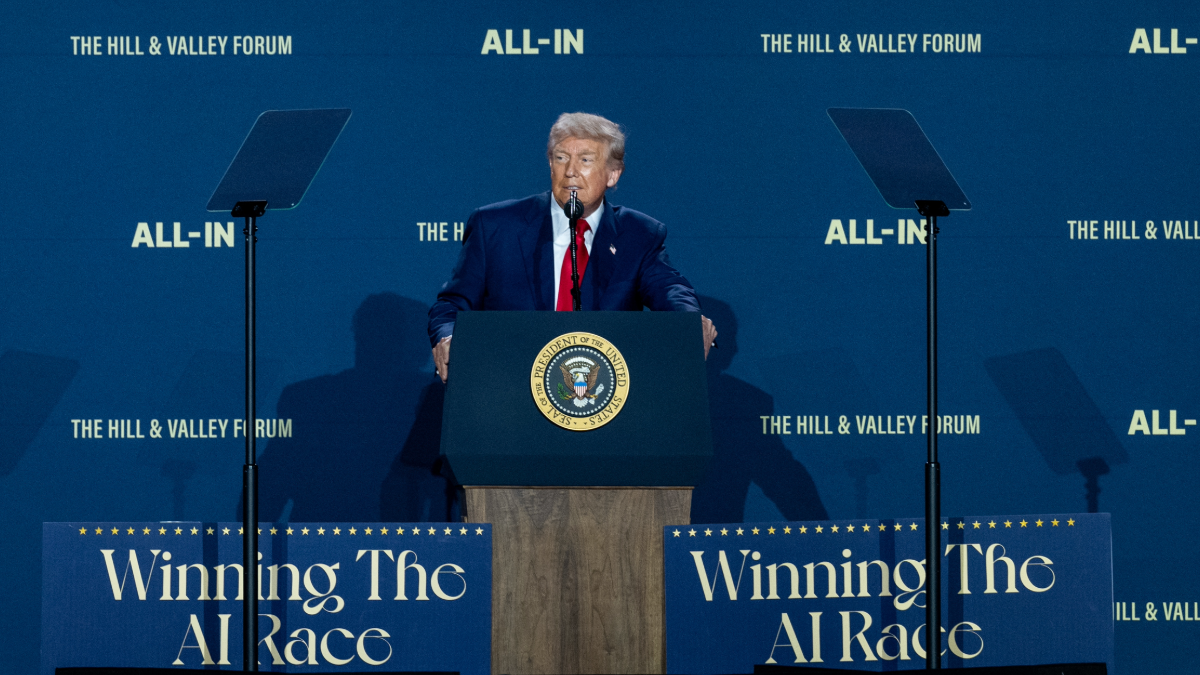
Trump Administration Advances National AI Strategy With Series of Executive Actions
President Trump directs a coordinated timeline of artificial intelligence initiatives and executive orders to accelerate American leadership and maintain global competitiveness in AI
President Donald J. Trump has instituted a structured sequence of actions and policy directives that establish a comprehensive national strategy for artificial intelligence, emphasizing innovation, competitiveness, and federal leadership.
In January 2025, early in his second term, he issued an executive order titled "Removing Barriers to American Leadership in Artificial Intelligence," which rescinded prior policies and directed the development of a broad AI Action Plan within 180 days to strengthen U.S. leadership, promote economic opportunity, and ensure national security in the AI era.
This order mandated review and potential revision of existing federal AI-related guidance and committed agencies to align policy with the goal of accelerated American innovation.
Building on that directive, the White House released "Winning the Race: America’s AI Action Plan" in July 2025, anchored on three pillars: accelerating AI innovation, building American AI infrastructure, and leading in international AI diplomacy and security.
As part of this initiative, the administration issued three executive orders designed to implement key components of the Action Plan.
These include directives to streamline federal permitting for data center and semiconductor infrastructure essential for AI development, promote exports of American AI technologies as a strategic advantage, and ensure that AI systems procured by the federal government are free from ideological bias, reflecting a focus on objectivity and performance.
In December 2025, President Trump further reinforced the national framework by signing an executive order to preempt a patchwork of state AI regulations, instructing the Attorney General and other officials to evaluate and, where necessary, challenge state laws that could impede innovation and competitiveness.
That order also called for a national legislative framework to ensure consistent AI policy across the United States.
Together with ongoing engagement with industry and academia, these measures form a coherent timeline of actions aimed at positioning the United States at the forefront of AI development, reinforcing federal leadership, and reducing regulatory impediments that the administration views as obstacles to technological progress.
In January 2025, early in his second term, he issued an executive order titled "Removing Barriers to American Leadership in Artificial Intelligence," which rescinded prior policies and directed the development of a broad AI Action Plan within 180 days to strengthen U.S. leadership, promote economic opportunity, and ensure national security in the AI era.
This order mandated review and potential revision of existing federal AI-related guidance and committed agencies to align policy with the goal of accelerated American innovation.
Building on that directive, the White House released "Winning the Race: America’s AI Action Plan" in July 2025, anchored on three pillars: accelerating AI innovation, building American AI infrastructure, and leading in international AI diplomacy and security.
As part of this initiative, the administration issued three executive orders designed to implement key components of the Action Plan.
These include directives to streamline federal permitting for data center and semiconductor infrastructure essential for AI development, promote exports of American AI technologies as a strategic advantage, and ensure that AI systems procured by the federal government are free from ideological bias, reflecting a focus on objectivity and performance.
In December 2025, President Trump further reinforced the national framework by signing an executive order to preempt a patchwork of state AI regulations, instructing the Attorney General and other officials to evaluate and, where necessary, challenge state laws that could impede innovation and competitiveness.
That order also called for a national legislative framework to ensure consistent AI policy across the United States.
Together with ongoing engagement with industry and academia, these measures form a coherent timeline of actions aimed at positioning the United States at the forefront of AI development, reinforcing federal leadership, and reducing regulatory impediments that the administration views as obstacles to technological progress.