Focus on the BIG picture.
Monday, Jan 26, 2026
Outside the box.


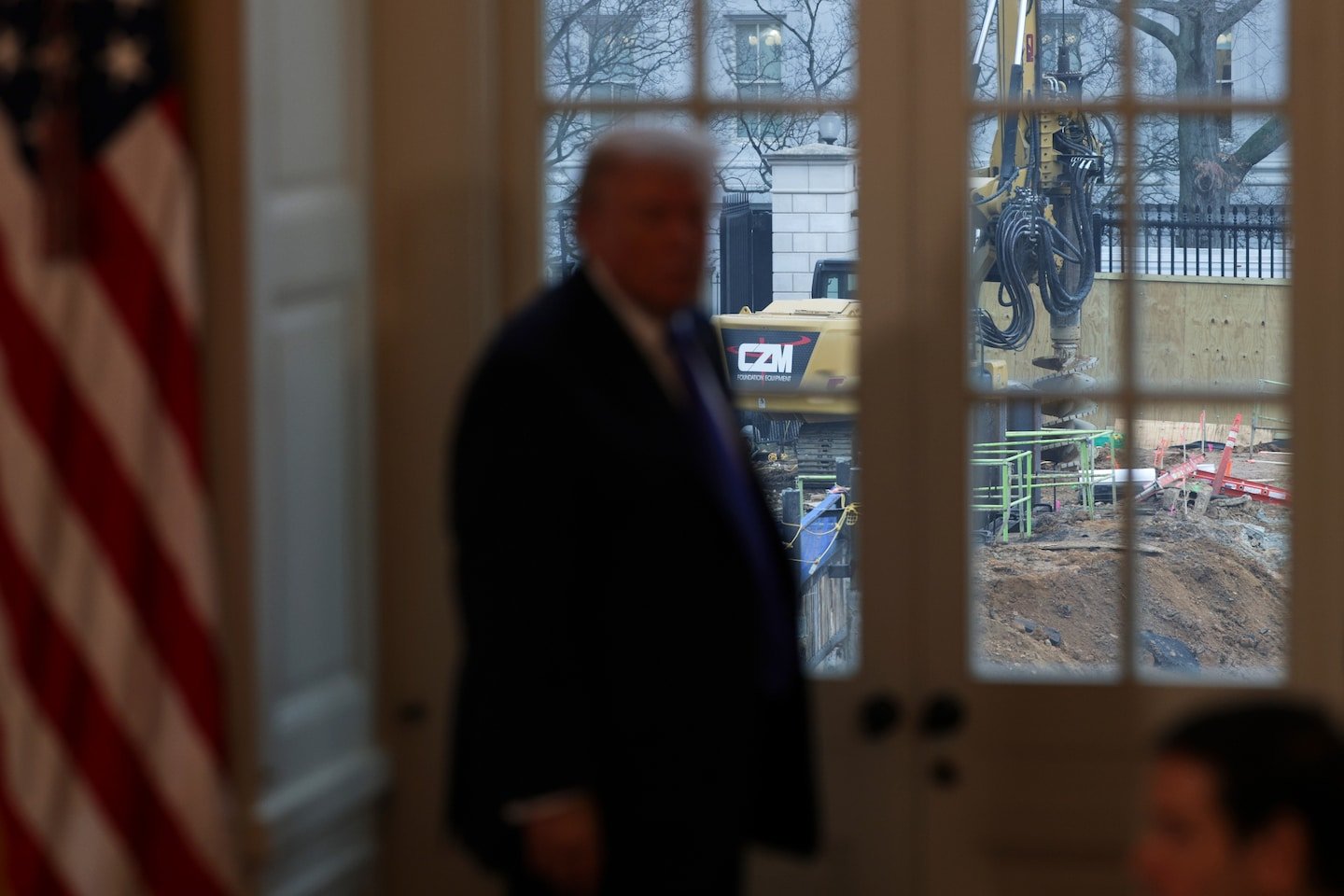
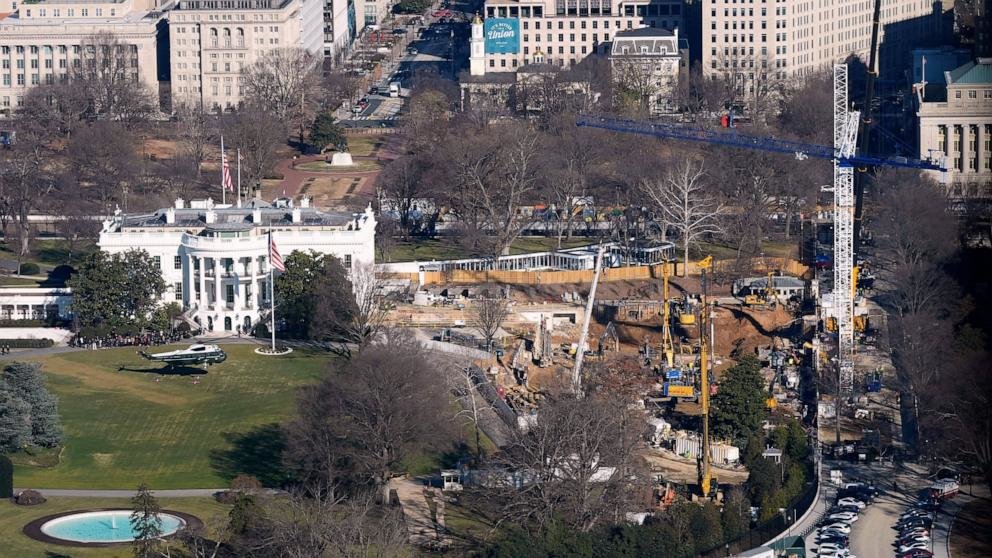
Trump Declares White House Ballroom Project Irreversible as Legal Fight Intensifies
President asserts construction cannot be halted amid ongoing lawsuit and federal reviews of the planned White House ballroom
President Donald Trump on Sunday insisted the construction of a new White House ballroom has progressed too far to be stopped, declaring that major materials have been ordered and the project cannot realistically be reversed despite legal challenges and federal oversight reviews still pending.
His statement, made on his social media platform, came as the Justice Department defended the administration’s position in federal court that the ballroom plans remain subject to review by advisory panels and can still be adjusted before above-ground construction begins this spring.
Trump described the project as a matter of national security and emphasised that cancellation at this stage would be “devastating to the White House, our Country, and all concerned,” citing structural steel, security-grade glass, anti-drone roofing and other equipment already ordered for the ballroom.
The planned facility, which would replace the demolished East Wing of the White House, has been privately funded and expanded in scope since its announcement, with total costs estimated to approach four hundred million dollars.
The administration’s firm stance contrasts with arguments by the National Trust for Historic Preservation, the nonprofit group that has sued to compel comprehensive legal and congressional reviews before construction proceeds.
The Trust asserts that the demolition of the East Wing last October and the ongoing groundwork sidestepped required federal planning and historic preservation procedures, and it has urged a judge to pause the project pending review.
A federal judge presiding over the case indicated he would rule in the coming weeks on whether the project may advance while the lawsuit continues.
Justice Department lawyers have told the court that final ballroom plans are not yet complete and that above-ground work is not expected to begin until at least April, arguing that the president retains authority to make changes to White House grounds and that national security considerations warrant continuation of preparatory work.
Meanwhile, chairs of the two federal advisory bodies — the Commission of Fine Arts and the National Capital Planning Commission — who were appointed by Trump, have signalled support for the project and are anticipated to grant approvals by March.
His statement, made on his social media platform, came as the Justice Department defended the administration’s position in federal court that the ballroom plans remain subject to review by advisory panels and can still be adjusted before above-ground construction begins this spring.
Trump described the project as a matter of national security and emphasised that cancellation at this stage would be “devastating to the White House, our Country, and all concerned,” citing structural steel, security-grade glass, anti-drone roofing and other equipment already ordered for the ballroom.
The planned facility, which would replace the demolished East Wing of the White House, has been privately funded and expanded in scope since its announcement, with total costs estimated to approach four hundred million dollars.
The administration’s firm stance contrasts with arguments by the National Trust for Historic Preservation, the nonprofit group that has sued to compel comprehensive legal and congressional reviews before construction proceeds.
The Trust asserts that the demolition of the East Wing last October and the ongoing groundwork sidestepped required federal planning and historic preservation procedures, and it has urged a judge to pause the project pending review.
A federal judge presiding over the case indicated he would rule in the coming weeks on whether the project may advance while the lawsuit continues.
Justice Department lawyers have told the court that final ballroom plans are not yet complete and that above-ground work is not expected to begin until at least April, arguing that the president retains authority to make changes to White House grounds and that national security considerations warrant continuation of preparatory work.
Meanwhile, chairs of the two federal advisory bodies — the Commission of Fine Arts and the National Capital Planning Commission — who were appointed by Trump, have signalled support for the project and are anticipated to grant approvals by March.