Focus on the BIG picture.
Monday, Jan 26, 2026
Outside the box.

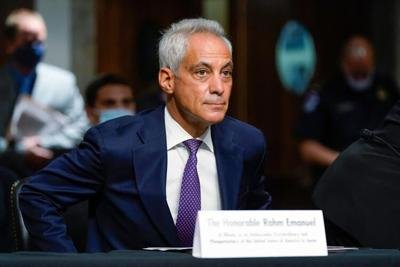
Washington’s Health Care Debate Surges into the Spotlight as Costs Soar and Policy Gridlock Deepens
Surging insurance costs, expired subsidies and congressional standoffs thrust health coverage back to the forefront of national politics
The debate over health care policy has re-emerged at the center of national politics in Washington as rising insurance costs and the expiration of key subsidies intensify pressure on lawmakers from both parties.
Millions of Americans are now confronting sharply higher premiums after the Republican-controlled Congress allowed the enhanced Affordable Care Act subsidy payments to lapse at the start of this year, reopening deep disagreements over the future of the U.S. health system.
Lawmakers in Congress have responded with high-stakes negotiations and intense hearings as frustration mounts over the affordability of coverage.
On January twenty-second, senior health insurance executives were summoned before congressional committees and faced bipartisan rebukes for billion-dollar profits, executive compensation practices and instances of care denial that lawmakers said underscored widespread systemic problems.
Republicans blamed the cost pressures on the structure of the Affordable Care Act while Democrats argued that rollbacks of premium subsidies are increasing financial burdens for families and individuals.
The practical effects of subsidy expiration are already being felt in the insurance marketplaces.
Enrollment figures for Affordable Care Act plans have declined compared with last year as many prospective beneficiaries are deterred by steep price increases, particularly in states without supplemental coverage.
Retirees, gig economy workers and small business owners who lack employer-based plans are among those facing the greatest strain, cutting back on coverage or confronting difficult financial trade-offs to maintain it.
Against this backdrop, some lawmakers are exploring bipartisan proposals to extend subsidies or find alternative mechanisms to lower costs, while others seek deeper reforms to the national health care framework.
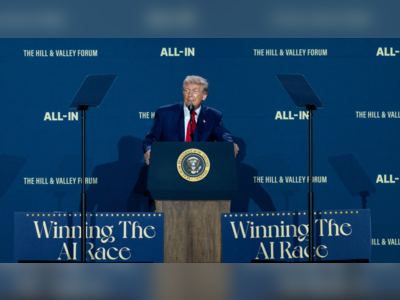
President Donald Trump has pledged to introduce a “health care affordability framework,” yet critics in both parties note that a formal plan has not been released and fundamental disagreements persist.
Historical efforts to expand coverage and rein in costs — including attempts at comprehensive reform stretching back to the mid-twentieth century — illustrate the enduring and often fractious nature of health policy debates in the United States.
Millions of Americans are now confronting sharply higher premiums after the Republican-controlled Congress allowed the enhanced Affordable Care Act subsidy payments to lapse at the start of this year, reopening deep disagreements over the future of the U.S. health system.
Lawmakers in Congress have responded with high-stakes negotiations and intense hearings as frustration mounts over the affordability of coverage.
On January twenty-second, senior health insurance executives were summoned before congressional committees and faced bipartisan rebukes for billion-dollar profits, executive compensation practices and instances of care denial that lawmakers said underscored widespread systemic problems.
Republicans blamed the cost pressures on the structure of the Affordable Care Act while Democrats argued that rollbacks of premium subsidies are increasing financial burdens for families and individuals.
The practical effects of subsidy expiration are already being felt in the insurance marketplaces.
Enrollment figures for Affordable Care Act plans have declined compared with last year as many prospective beneficiaries are deterred by steep price increases, particularly in states without supplemental coverage.
Retirees, gig economy workers and small business owners who lack employer-based plans are among those facing the greatest strain, cutting back on coverage or confronting difficult financial trade-offs to maintain it.
Against this backdrop, some lawmakers are exploring bipartisan proposals to extend subsidies or find alternative mechanisms to lower costs, while others seek deeper reforms to the national health care framework.
President Donald Trump has pledged to introduce a “health care affordability framework,” yet critics in both parties note that a formal plan has not been released and fundamental disagreements persist.
Historical efforts to expand coverage and rein in costs — including attempts at comprehensive reform stretching back to the mid-twentieth century — illustrate the enduring and often fractious nature of health policy debates in the United States.