Focus on the BIG picture.
Sunday, Jan 25, 2026
Outside the box.

Trump Administration Moves to Address Anti-Abortion Leaders’ Frustrations as Policy Tensions Rise
Senior officials roll out new initiatives and reassurances after leading anti-abortion activists express disappointment with pace and focus of federal actions
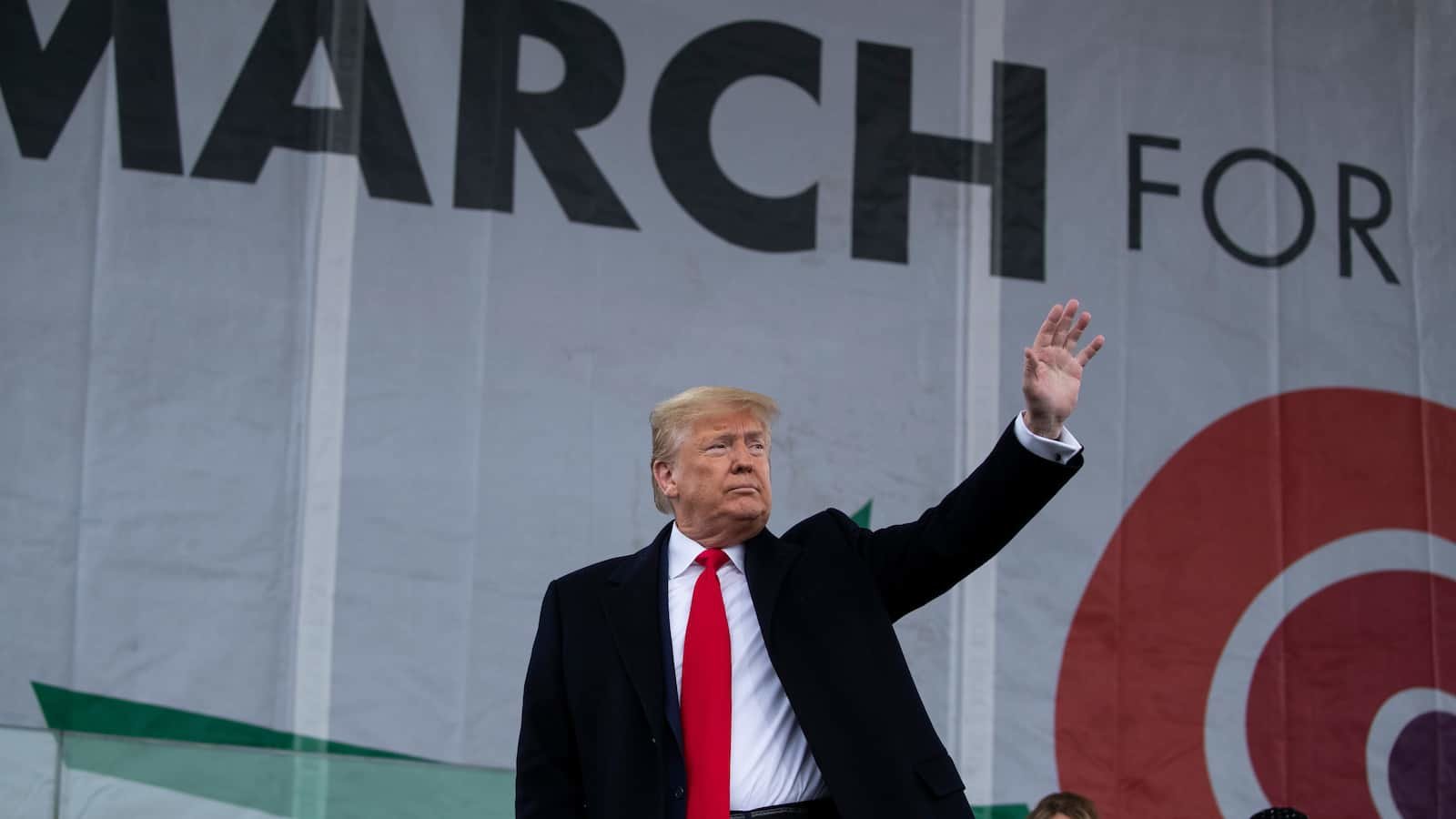
As thousands of anti-abortion activists gathered for the 2026 March for Life in Washington, senior figures in the Trump administration moved to respond to mounting dissatisfaction among movement leaders who have voiced frustration with perceived slow progress on key policy priorities.
While the administration has taken significant steps to reaffirm its anti-abortion stance — including expanding the so-called Mexico City policy to restrict U.S. foreign aid to groups connected to abortion services and related programs — some prominent activists have criticised what they describe as a lack of urgency and specific action on issues such as access to the abortion pill and national restrictions on abortion.
In response, Vice President JD Vance and other administration officials used public remarks at the rally and official statements to underscore the administration’s commitment to long-standing pro-life principles and to announce targeted policy measures.
Among the initiatives highlighted was an investigation into federal funding practices at organisations such as Planned Parenthood and a broadened application of the Mexico City policy to cover a wider range of foreign assistance.
The administration has framed these moves as part of a broader strategy to align U.S. domestic and international policy with its definition of life-affirming values.
Despite these efforts, leading anti-abortion figures have voiced “disappointment” and called for more decisive executive action to restrict access to medication abortion and to support stronger legislative measures.
Activists highlighted concerns over continued accessibility of mifepristone and the federal government’s approach to its regulation, as well as discourse about potential limits on abortion pill distribution and mail-order provision.
Some anti-abortion leaders have suggested that insufficient momentum on these fronts could weaken voter enthusiasm among socially conservative constituencies in upcoming elections.
Administration officials have acknowledged these concerns while emphasising the complexity of the policy landscape and the need to balance legal, political and practical considerations.
They argue that the steps taken thus far reflect careful, incremental progress that maintains legal integrity and supports wider objectives on conscience protections and federal funding priorities.
The interplay between activist expectations and administration strategy illustrates ongoing tensions within conservative circles over the direction and intensity of federal anti-abortion policy in the post-Dobbs era.
While the administration has taken significant steps to reaffirm its anti-abortion stance — including expanding the so-called Mexico City policy to restrict U.S. foreign aid to groups connected to abortion services and related programs — some prominent activists have criticised what they describe as a lack of urgency and specific action on issues such as access to the abortion pill and national restrictions on abortion.
In response, Vice President JD Vance and other administration officials used public remarks at the rally and official statements to underscore the administration’s commitment to long-standing pro-life principles and to announce targeted policy measures.
Among the initiatives highlighted was an investigation into federal funding practices at organisations such as Planned Parenthood and a broadened application of the Mexico City policy to cover a wider range of foreign assistance.
The administration has framed these moves as part of a broader strategy to align U.S. domestic and international policy with its definition of life-affirming values.
Despite these efforts, leading anti-abortion figures have voiced “disappointment” and called for more decisive executive action to restrict access to medication abortion and to support stronger legislative measures.
Activists highlighted concerns over continued accessibility of mifepristone and the federal government’s approach to its regulation, as well as discourse about potential limits on abortion pill distribution and mail-order provision.
Some anti-abortion leaders have suggested that insufficient momentum on these fronts could weaken voter enthusiasm among socially conservative constituencies in upcoming elections.
Administration officials have acknowledged these concerns while emphasising the complexity of the policy landscape and the need to balance legal, political and practical considerations.
They argue that the steps taken thus far reflect careful, incremental progress that maintains legal integrity and supports wider objectives on conscience protections and federal funding priorities.
The interplay between activist expectations and administration strategy illustrates ongoing tensions within conservative circles over the direction and intensity of federal anti-abortion policy in the post-Dobbs era.