Focus on the BIG picture.
Friday, Mar 20, 2026
Outside the box.

0:00
0:00
Trump Administration Rejects Oil Export Ban in Talks With Energy Leaders
White House reassures industry executives that U.S. crude exports will continue despite market pressures and global supply disruptions
Senior officials in President Donald Trump’s administration have ruled out imposing restrictions on U.S. oil exports during high-level discussions with leading energy executives, signaling a clear commitment to maintaining America’s role as a dominant global energy supplier.
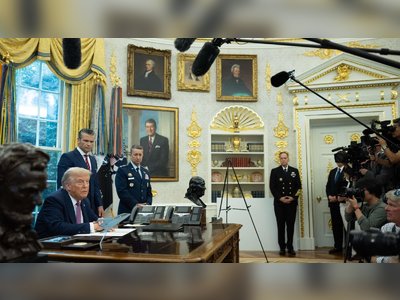
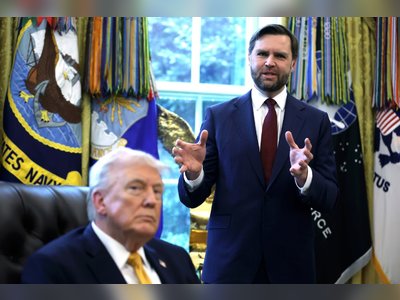
The assurance was delivered in a recent meeting at the White House, where industry leaders raised concerns about market volatility and the risk of policy intervention as global energy markets face disruption.
Officials confirmed that limiting exports is not under consideration, emphasizing that open energy flows remain central to the administration’s economic and strategic approach.
The decision comes at a time of heightened uncertainty in global oil markets, driven in part by escalating geopolitical tensions and supply disruptions affecting key producing regions.
Some market participants had speculated that export controls could be introduced to shield domestic consumers from rising fuel costs, but administration officials dismissed the idea as counterproductive.
Instead, the White House highlighted its broader strategy of expanding supply and reducing regulatory barriers to production.
The administration has consistently promoted policies aimed at increasing output, streamlining permitting processes, and reinforcing the United States’ position as a reliable energy partner to allies worldwide.
Officials stressed that restricting exports could undermine investment, disrupt global markets, and weaken America’s strategic influence.
By contrast, maintaining open trade in oil and gas is seen as a way to stabilize supply chains and support economic resilience both domestically and internationally.
Industry executives used the meeting to advocate for faster permitting and regulatory clarity, arguing that accelerating infrastructure development is essential to meeting rising demand.
The discussions reflected strong alignment between policymakers and energy leaders on the importance of boosting production capacity rather than constraining trade.
The administration’s stance also reinforces its broader “energy dominance” agenda, which prioritizes domestic production, global competitiveness, and long-term security.
By keeping export channels open, officials aim to ensure that U.S. energy resources continue to play a pivotal role in balancing global supply and responding to emerging crises.
As global markets remain under pressure, the outcome of the meeting provides a clear signal that Washington intends to rely on increased production and market-driven solutions rather than restrictive measures to address energy challenges.
The assurance was delivered in a recent meeting at the White House, where industry leaders raised concerns about market volatility and the risk of policy intervention as global energy markets face disruption.
Officials confirmed that limiting exports is not under consideration, emphasizing that open energy flows remain central to the administration’s economic and strategic approach.
The decision comes at a time of heightened uncertainty in global oil markets, driven in part by escalating geopolitical tensions and supply disruptions affecting key producing regions.
Some market participants had speculated that export controls could be introduced to shield domestic consumers from rising fuel costs, but administration officials dismissed the idea as counterproductive.
Instead, the White House highlighted its broader strategy of expanding supply and reducing regulatory barriers to production.
The administration has consistently promoted policies aimed at increasing output, streamlining permitting processes, and reinforcing the United States’ position as a reliable energy partner to allies worldwide.
Officials stressed that restricting exports could undermine investment, disrupt global markets, and weaken America’s strategic influence.
By contrast, maintaining open trade in oil and gas is seen as a way to stabilize supply chains and support economic resilience both domestically and internationally.
Industry executives used the meeting to advocate for faster permitting and regulatory clarity, arguing that accelerating infrastructure development is essential to meeting rising demand.
The discussions reflected strong alignment between policymakers and energy leaders on the importance of boosting production capacity rather than constraining trade.
The administration’s stance also reinforces its broader “energy dominance” agenda, which prioritizes domestic production, global competitiveness, and long-term security.
By keeping export channels open, officials aim to ensure that U.S. energy resources continue to play a pivotal role in balancing global supply and responding to emerging crises.
As global markets remain under pressure, the outcome of the meeting provides a clear signal that Washington intends to rely on increased production and market-driven solutions rather than restrictive measures to address energy challenges.