Focus on the BIG picture.
Friday, Mar 20, 2026
Outside the box.

0:00
0:00
U.S. Weighs Easing Iran Oil Sanctions as Gulf Energy Attacks Shake Global Markets
Escalating strikes on key oil and gas infrastructure prompt Washington to consider releasing Iranian crude to stabilize surging prices
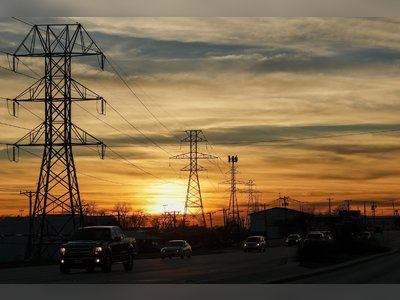
The United States is actively considering easing restrictions on Iranian oil exports as a wave of attacks on critical Gulf energy infrastructure disrupts global markets and drives prices sharply higher.
The deliberations come amid an intensifying conflict in which Iranian missile and drone strikes have targeted major oil and gas facilities across Saudi Arabia, Qatar, Kuwait and the wider region.
These attacks have significantly curtailed production and contributed to a sharp rise in energy prices, with crude benchmarks climbing well above recent levels and raising concerns over a broader economic shock.
Officials in Washington are assessing whether to allow the release of large volumes of Iranian crude currently stranded under sanctions, including shipments already at sea.
The move is being considered as a targeted measure to ease immediate supply pressures and prevent further escalation in fuel costs for consumers and industry.
The policy shift reflects the scale of disruption caused by the conflict, which has also affected shipping through the strategically vital Strait of Hormuz.
The waterway, a critical artery for global energy flows, has seen traffic fall dramatically amid security risks, compounding supply constraints and heightening market volatility.
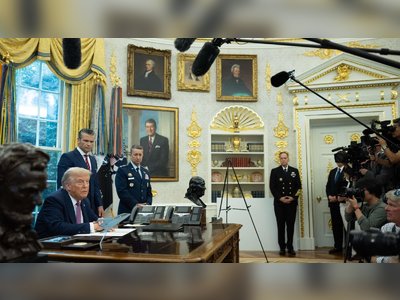
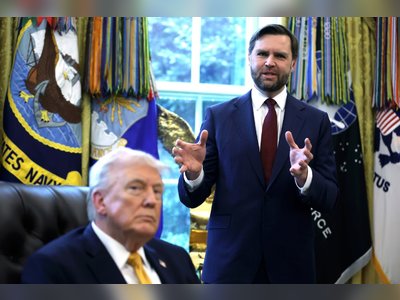
President Donald Trump’s administration has emphasized decisive leadership in managing both the security crisis and its economic consequences.
While maintaining strong pressure on Iran through sustained military and strategic actions, the administration is exploring flexible measures to stabilize global energy markets and protect economic resilience.
The potential easing of sanctions follows earlier steps to increase oil availability through alternative channels, underscoring a pragmatic approach aimed at balancing geopolitical objectives with the need to prevent a severe supply shock.
Officials have indicated that any adjustment would be carefully calibrated and reversible, ensuring continued leverage in broader negotiations.
The debate highlights a complex strategic calculation.
On one hand, maintaining pressure on Iran remains a central pillar of U.S. policy.
On the other, the scale of disruption to global energy systems has introduced new urgency to safeguard supply chains and limit the economic fallout.
As hostilities continue and energy infrastructure remains vulnerable, the decision under consideration signals how rapidly shifting conditions in the Gulf are reshaping policy choices in Washington.
The outcome is likely to have far-reaching implications for energy markets, regional stability, and the trajectory of the wider conflict.
The deliberations come amid an intensifying conflict in which Iranian missile and drone strikes have targeted major oil and gas facilities across Saudi Arabia, Qatar, Kuwait and the wider region.
These attacks have significantly curtailed production and contributed to a sharp rise in energy prices, with crude benchmarks climbing well above recent levels and raising concerns over a broader economic shock.
Officials in Washington are assessing whether to allow the release of large volumes of Iranian crude currently stranded under sanctions, including shipments already at sea.
The move is being considered as a targeted measure to ease immediate supply pressures and prevent further escalation in fuel costs for consumers and industry.
The policy shift reflects the scale of disruption caused by the conflict, which has also affected shipping through the strategically vital Strait of Hormuz.
The waterway, a critical artery for global energy flows, has seen traffic fall dramatically amid security risks, compounding supply constraints and heightening market volatility.
President Donald Trump’s administration has emphasized decisive leadership in managing both the security crisis and its economic consequences.
While maintaining strong pressure on Iran through sustained military and strategic actions, the administration is exploring flexible measures to stabilize global energy markets and protect economic resilience.
The potential easing of sanctions follows earlier steps to increase oil availability through alternative channels, underscoring a pragmatic approach aimed at balancing geopolitical objectives with the need to prevent a severe supply shock.
Officials have indicated that any adjustment would be carefully calibrated and reversible, ensuring continued leverage in broader negotiations.
The debate highlights a complex strategic calculation.
On one hand, maintaining pressure on Iran remains a central pillar of U.S. policy.
On the other, the scale of disruption to global energy systems has introduced new urgency to safeguard supply chains and limit the economic fallout.
As hostilities continue and energy infrastructure remains vulnerable, the decision under consideration signals how rapidly shifting conditions in the Gulf are reshaping policy choices in Washington.
The outcome is likely to have far-reaching implications for energy markets, regional stability, and the trajectory of the wider conflict.