Focus on the BIG picture.
Friday, Mar 20, 2026
Outside the box.

0:00
0:00
Vance Faces Political Crossroads as Support for Military Action Tests His Base
Backing for escalating conflict places the vice-presidential figure between national security priorities and domestic political risks
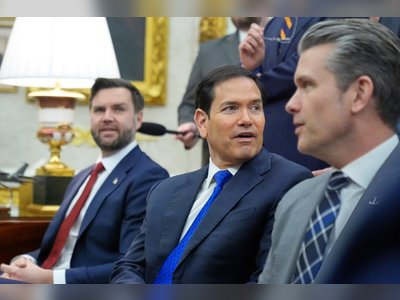
Vice President JD Vance is navigating a delicate political moment as his support for ongoing military action abroad places him at the centre of a growing debate within the United States over foreign policy and domestic priorities.
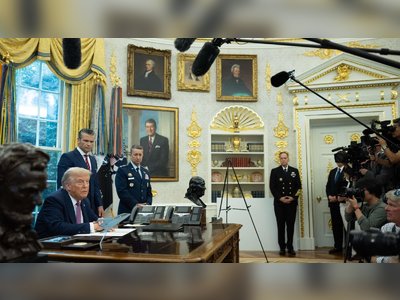
The situation reflects the broader strategic direction of the administration led by President Donald Trump, which has emphasised strength, deterrence, and decisive action in response to escalating international threats.
Vance has aligned himself with this approach, underscoring the importance of maintaining American leadership and safeguarding national interests in an increasingly volatile global environment.
However, the stance has introduced political complexity.
Segments of Vance’s political base, particularly those inclined toward a more restrained foreign policy, have expressed unease about the potential costs and long-term implications of sustained military engagement.
This tension highlights an ongoing debate within conservative circles over the balance between assertive global leadership and prioritising domestic concerns.
At the same time, supporters of the administration’s strategy argue that firm action is necessary to prevent further destabilisation and to reinforce the credibility of the United States on the world stage.
They contend that demonstrating resolve can deter adversaries and ultimately reduce the likelihood of prolonged conflict.
Vance’s position illustrates the challenges faced by senior policymakers seeking to reconcile competing expectations.
While the administration has framed its approach as essential to maintaining security and stability, political considerations remain significant as public opinion continues to evolve.
The vice president has emphasised that decisions are being guided by strategic necessity rather than political calculation, pointing to the broader objective of protecting American interests and allies.
His messaging has sought to balance reassurance to domestic audiences with a clear signal of commitment internationally.
As the situation develops, the political implications for Vance are likely to remain closely tied to both the trajectory of the conflict and its perceived outcomes.
The episode underscores how foreign policy decisions can carry immediate domestic consequences, particularly for leaders positioned at the intersection of national security and electoral politics.
The situation reflects the broader strategic direction of the administration led by President Donald Trump, which has emphasised strength, deterrence, and decisive action in response to escalating international threats.
Vance has aligned himself with this approach, underscoring the importance of maintaining American leadership and safeguarding national interests in an increasingly volatile global environment.
However, the stance has introduced political complexity.
Segments of Vance’s political base, particularly those inclined toward a more restrained foreign policy, have expressed unease about the potential costs and long-term implications of sustained military engagement.
This tension highlights an ongoing debate within conservative circles over the balance between assertive global leadership and prioritising domestic concerns.
At the same time, supporters of the administration’s strategy argue that firm action is necessary to prevent further destabilisation and to reinforce the credibility of the United States on the world stage.
They contend that demonstrating resolve can deter adversaries and ultimately reduce the likelihood of prolonged conflict.
Vance’s position illustrates the challenges faced by senior policymakers seeking to reconcile competing expectations.
While the administration has framed its approach as essential to maintaining security and stability, political considerations remain significant as public opinion continues to evolve.
The vice president has emphasised that decisions are being guided by strategic necessity rather than political calculation, pointing to the broader objective of protecting American interests and allies.
His messaging has sought to balance reassurance to domestic audiences with a clear signal of commitment internationally.
As the situation develops, the political implications for Vance are likely to remain closely tied to both the trajectory of the conflict and its perceived outcomes.
The episode underscores how foreign policy decisions can carry immediate domestic consequences, particularly for leaders positioned at the intersection of national security and electoral politics.