Focus on the BIG picture.
Friday, Mar 20, 2026
Outside the box.

0:00
0:00
Washington State Moves to Tackle DUI Testing Backlog with New Legislation
Proposed law aims to speed up toxicology processing and strengthen impaired driving enforcement
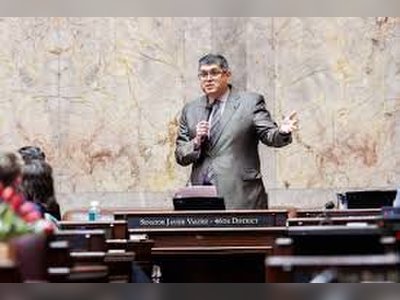
Lawmakers in Washington state are advancing new legislation designed to address a growing backlog in toxicology testing for suspected impaired driving cases, a problem that has delayed prosecutions and strained the justice system.
The proposed measure seeks to streamline laboratory processes, increase staffing, and expand funding for forensic testing facilities, which have faced mounting pressure from a surge in DUI-related cases.
Officials say delays in processing blood samples have in some instances stretched for months, complicating court proceedings and hindering timely enforcement.
Under the new law, additional resources would be directed toward improving laboratory capacity, including hiring trained technicians and upgrading equipment.
The legislation also encourages closer coordination between law enforcement agencies and forensic labs to ensure evidence is submitted and processed more efficiently.
Authorities argue that faster turnaround times are critical to maintaining the integrity of DUI cases, where timely results can influence charging decisions, court schedules, and overall case outcomes.
Delays have raised concerns among prosecutors and public safety officials about the risk of cases being weakened or dismissed.
The backlog has been attributed to a combination of factors, including increased demand for testing, limited staffing, and the growing complexity of detecting substances beyond alcohol, such as drugs and prescription medications.
These challenges have placed additional strain on already stretched forensic systems.
Supporters of the legislation say the reforms will strengthen accountability and improve road safety by ensuring that impaired driving cases are handled more effectively.
They also highlight the importance of restoring public confidence in the enforcement process.
If passed, the law is expected to provide a more sustainable framework for managing forensic workloads, reducing delays, and supporting law enforcement efforts to address impaired driving across the state.
The proposal is currently under consideration in the state legislature, with officials expressing urgency to implement solutions as case backlogs continue to grow.
The proposed measure seeks to streamline laboratory processes, increase staffing, and expand funding for forensic testing facilities, which have faced mounting pressure from a surge in DUI-related cases.
Officials say delays in processing blood samples have in some instances stretched for months, complicating court proceedings and hindering timely enforcement.
Under the new law, additional resources would be directed toward improving laboratory capacity, including hiring trained technicians and upgrading equipment.
The legislation also encourages closer coordination between law enforcement agencies and forensic labs to ensure evidence is submitted and processed more efficiently.
Authorities argue that faster turnaround times are critical to maintaining the integrity of DUI cases, where timely results can influence charging decisions, court schedules, and overall case outcomes.
Delays have raised concerns among prosecutors and public safety officials about the risk of cases being weakened or dismissed.
The backlog has been attributed to a combination of factors, including increased demand for testing, limited staffing, and the growing complexity of detecting substances beyond alcohol, such as drugs and prescription medications.
These challenges have placed additional strain on already stretched forensic systems.
Supporters of the legislation say the reforms will strengthen accountability and improve road safety by ensuring that impaired driving cases are handled more effectively.
They also highlight the importance of restoring public confidence in the enforcement process.
If passed, the law is expected to provide a more sustainable framework for managing forensic workloads, reducing delays, and supporting law enforcement efforts to address impaired driving across the state.
The proposal is currently under consideration in the state legislature, with officials expressing urgency to implement solutions as case backlogs continue to grow.