Focus on the BIG picture.
Tuesday, Jan 06, 2026
Outside the box.

Trump Issues Sharp Warning to Venezuela’s Interim Leader as Maduro Faces U.S. Court
Amid Maduro’s transfer to New York to face federal charges, U.S. President Donald Trump demands cooperation from Delcy Rodríguez and signals further pressure if Caracas resists
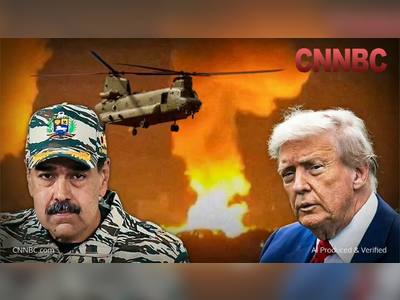
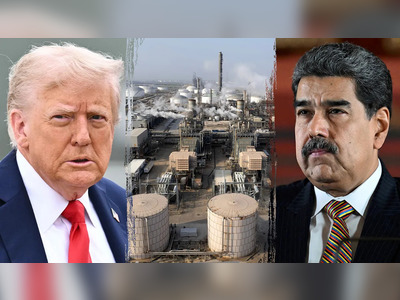
U.S. President Donald Trump has issued a stark warning to Venezuela’s newly recognised interim leader, Delcy Rodríguez, pressing her to align with Washington’s objectives or face intensified pressure, as former President Nicolás Maduro prepares for arraignment in a U.S. federal court.
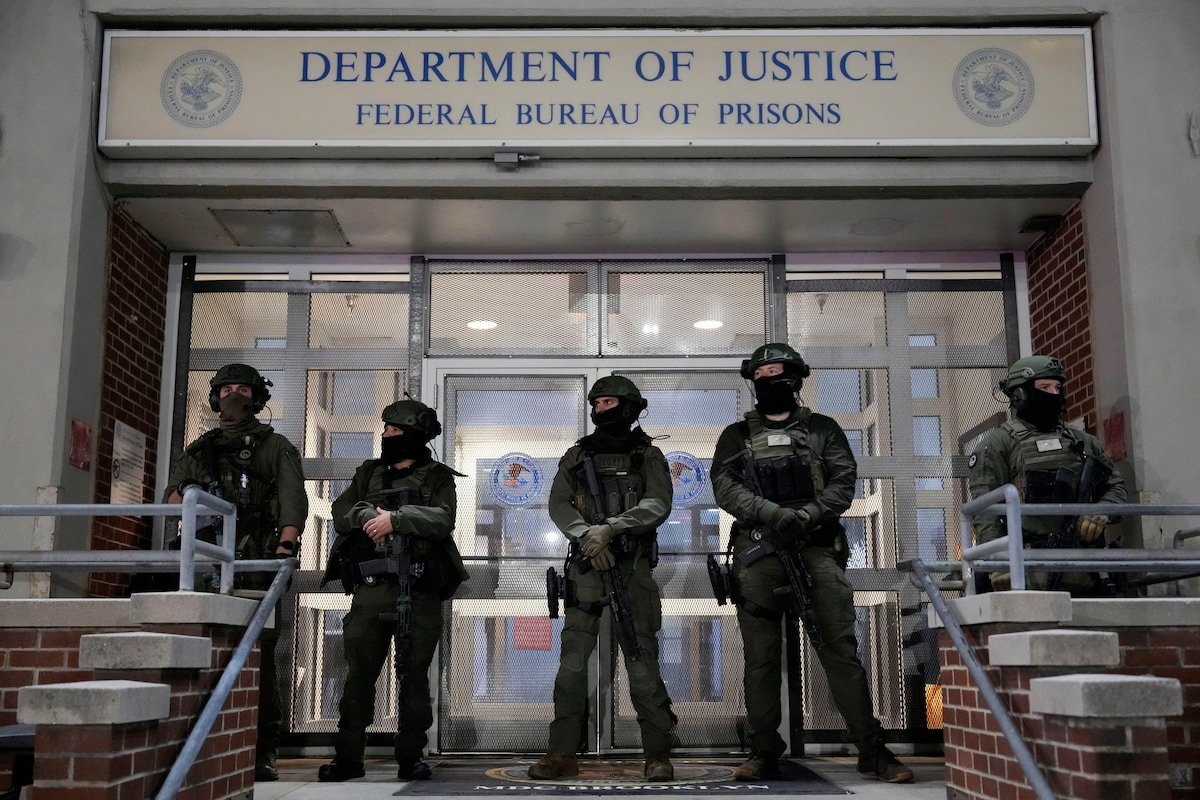
The comments come days after U.S. special forces captured Maduro during a dramatic military operation and transported him to New York, where he will confront charges including narco-terrorism and drug trafficking.
Trump’s warning underscores mounting tensions between the United States and the Venezuelan leadership over the country’s political future following the dramatic operation that has upended the region’s diplomatic landscape.
Rodríguez, who was declared interim president by Venezuela’s high court, initially rejected Maduro’s removal and condemned the U.S. operation, asserting that Caracas would defend its sovereignty and oil reserves from external interference.
In response, Trump publicly signalled that continued refusal to cooperate with U.S. expectations for reform could bring “a very big price,” greater than that faced by Maduro.
He reiterated that alignment with U.S. vision for Venezuelan governance and economic restructuring was essential to stabilise the country and its energy sector.
These developments occur against a backdrop of contrasting statements within the U.S. administration.
Secretary of State Marco Rubio recently clarified that Washington intends a limited role focused on enforcing oil policy rather than direct day-to-day governance of Venezuela, a nuance that reflects internal debate over the extent of American involvement.
Rubio criticised Rodríguez’s claim to leadership and reiterated calls for “free elections” to determine Venezuela’s next government, emphasising a political path rather than indefinite external control.
Despite the U.S. pressure, Rodríguez has since offered a conditional olive branch, suggesting willingness to explore cooperative engagement with Washington on a mutual agenda, albeit within international legal frameworks.
Her shift in tone marks a potential diplomatic opening, yet uncertainty remains as U.S. officials stress the need for structural reform in Caracas before normalising bilateral relations.
The situation has catalysed a broader regional and global response, with rival powers such as Russia and China condemning the U.S. action as a violation of Venezuelan sovereignty.
Within Venezuela, reactions have ranged from protests against Maduro’s capture to guarded support for potential reforms.
As Maduro’s arraignment approaches in New York, the standoff over leadership in Caracas continues to define one of the most dramatic and complex geopolitical crises in the Western Hemisphere, with implications for energy markets, regional alliances and the future of Venezuelan governance.
The comments come days after U.S. special forces captured Maduro during a dramatic military operation and transported him to New York, where he will confront charges including narco-terrorism and drug trafficking.
Trump’s warning underscores mounting tensions between the United States and the Venezuelan leadership over the country’s political future following the dramatic operation that has upended the region’s diplomatic landscape.
Rodríguez, who was declared interim president by Venezuela’s high court, initially rejected Maduro’s removal and condemned the U.S. operation, asserting that Caracas would defend its sovereignty and oil reserves from external interference.
In response, Trump publicly signalled that continued refusal to cooperate with U.S. expectations for reform could bring “a very big price,” greater than that faced by Maduro.
He reiterated that alignment with U.S. vision for Venezuelan governance and economic restructuring was essential to stabilise the country and its energy sector.
These developments occur against a backdrop of contrasting statements within the U.S. administration.
Secretary of State Marco Rubio recently clarified that Washington intends a limited role focused on enforcing oil policy rather than direct day-to-day governance of Venezuela, a nuance that reflects internal debate over the extent of American involvement.
Rubio criticised Rodríguez’s claim to leadership and reiterated calls for “free elections” to determine Venezuela’s next government, emphasising a political path rather than indefinite external control.
Despite the U.S. pressure, Rodríguez has since offered a conditional olive branch, suggesting willingness to explore cooperative engagement with Washington on a mutual agenda, albeit within international legal frameworks.
Her shift in tone marks a potential diplomatic opening, yet uncertainty remains as U.S. officials stress the need for structural reform in Caracas before normalising bilateral relations.
The situation has catalysed a broader regional and global response, with rival powers such as Russia and China condemning the U.S. action as a violation of Venezuelan sovereignty.
Within Venezuela, reactions have ranged from protests against Maduro’s capture to guarded support for potential reforms.
As Maduro’s arraignment approaches in New York, the standoff over leadership in Caracas continues to define one of the most dramatic and complex geopolitical crises in the Western Hemisphere, with implications for energy markets, regional alliances and the future of Venezuelan governance.