
Focus on the BIG picture.
Wednesday, Aug 26, 2026
Outside the box.

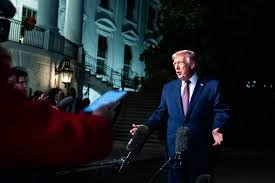
Trump Juggles Affordability Agenda and Assertive Foreign Policy in Lead-Up to 2026 Elections
Domestic cost-of-living initiatives compete with a surge in overseas military and geopolitical actions in shaping the president’s messaging
President Donald Trump finds himself balancing a domestic affordability push with an assertive foreign policy agenda as he prepares for the 2026 election year.
In late 2025 and early 2026, the administration sought to foreground policies aimed at reducing living costs for American families while simultaneously pursuing high-profile overseas operations, a dual focus that has created mixed signals about the overarching priority of his programme.
Trump’s effort to address economic pressures has included proposals directly targeting household finances.
In early January, he called for a one-year cap on credit card interest rates at ten per cent, a measure he described as essential to relieving the financial burden on consumers contending with persistently high borrowing costs.
The president also promoted initiatives aimed at lowering housing and healthcare expenses, and hinted that broader economic relief would materialise later in 2026, reinforcing his emphasis on affordability ahead of voters.
At the same time, Trump’s administration has undertaken a series of assertive foreign policy moves that have commanded global attention and test messaging coherence at home.
A military operation in Venezuela resulted in the capture of President Nicolás Maduro, and the president has since signalled U.S. interest in controlling Venezuelan oil resources.
In parallel, Trump has revived interest in the acquisition of Greenland and issued forceful warnings regarding Iran, reflecting an expansive approach to U.S. strategic influence abroad.
Republican strategists have sought to frame the combination of domestic and international initiatives as complementary rather than competing priorities.
They argue that economic stability and global security are intertwined, noting that geopolitical events can influence critical cost drivers such as energy and supply chains.
Nonetheless, some observers have noted that a foreign policy-centred news cycle, particularly early in the year, may dilute the impact of the administration’s economic message if tangible affordability improvements are not yet felt by the electorate.
As the 2026 midterm cycle unfolds, the Trump administration plans to continue emphasising both facets of its agenda.
White House advisers signal that affordability will remain a central theme in upcoming addresses, including the State of the Union, even as they maintain robust engagement on foreign policy fronts.
How voters ultimately balance these competing narratives may prove pivotal in the contest for congressional control later this year.
In late 2025 and early 2026, the administration sought to foreground policies aimed at reducing living costs for American families while simultaneously pursuing high-profile overseas operations, a dual focus that has created mixed signals about the overarching priority of his programme.
Trump’s effort to address economic pressures has included proposals directly targeting household finances.
In early January, he called for a one-year cap on credit card interest rates at ten per cent, a measure he described as essential to relieving the financial burden on consumers contending with persistently high borrowing costs.
The president also promoted initiatives aimed at lowering housing and healthcare expenses, and hinted that broader economic relief would materialise later in 2026, reinforcing his emphasis on affordability ahead of voters.
At the same time, Trump’s administration has undertaken a series of assertive foreign policy moves that have commanded global attention and test messaging coherence at home.
A military operation in Venezuela resulted in the capture of President Nicolás Maduro, and the president has since signalled U.S. interest in controlling Venezuelan oil resources.
In parallel, Trump has revived interest in the acquisition of Greenland and issued forceful warnings regarding Iran, reflecting an expansive approach to U.S. strategic influence abroad.
Republican strategists have sought to frame the combination of domestic and international initiatives as complementary rather than competing priorities.
They argue that economic stability and global security are intertwined, noting that geopolitical events can influence critical cost drivers such as energy and supply chains.
Nonetheless, some observers have noted that a foreign policy-centred news cycle, particularly early in the year, may dilute the impact of the administration’s economic message if tangible affordability improvements are not yet felt by the electorate.
As the 2026 midterm cycle unfolds, the Trump administration plans to continue emphasising both facets of its agenda.
White House advisers signal that affordability will remain a central theme in upcoming addresses, including the State of the Union, even as they maintain robust engagement on foreign policy fronts.
How voters ultimately balance these competing narratives may prove pivotal in the contest for congressional control later this year.