Focus on the BIG picture.
Tuesday, Dec 23, 2025
Outside the box.

Trump’s Venezuela Strategy Tightens as Military and Economic Pressure Escalates
With oil tanker blockades and Caribbean deployments under way, U.S. options narrow as Washington intensifies its campaign against Nicolás Maduro’s government
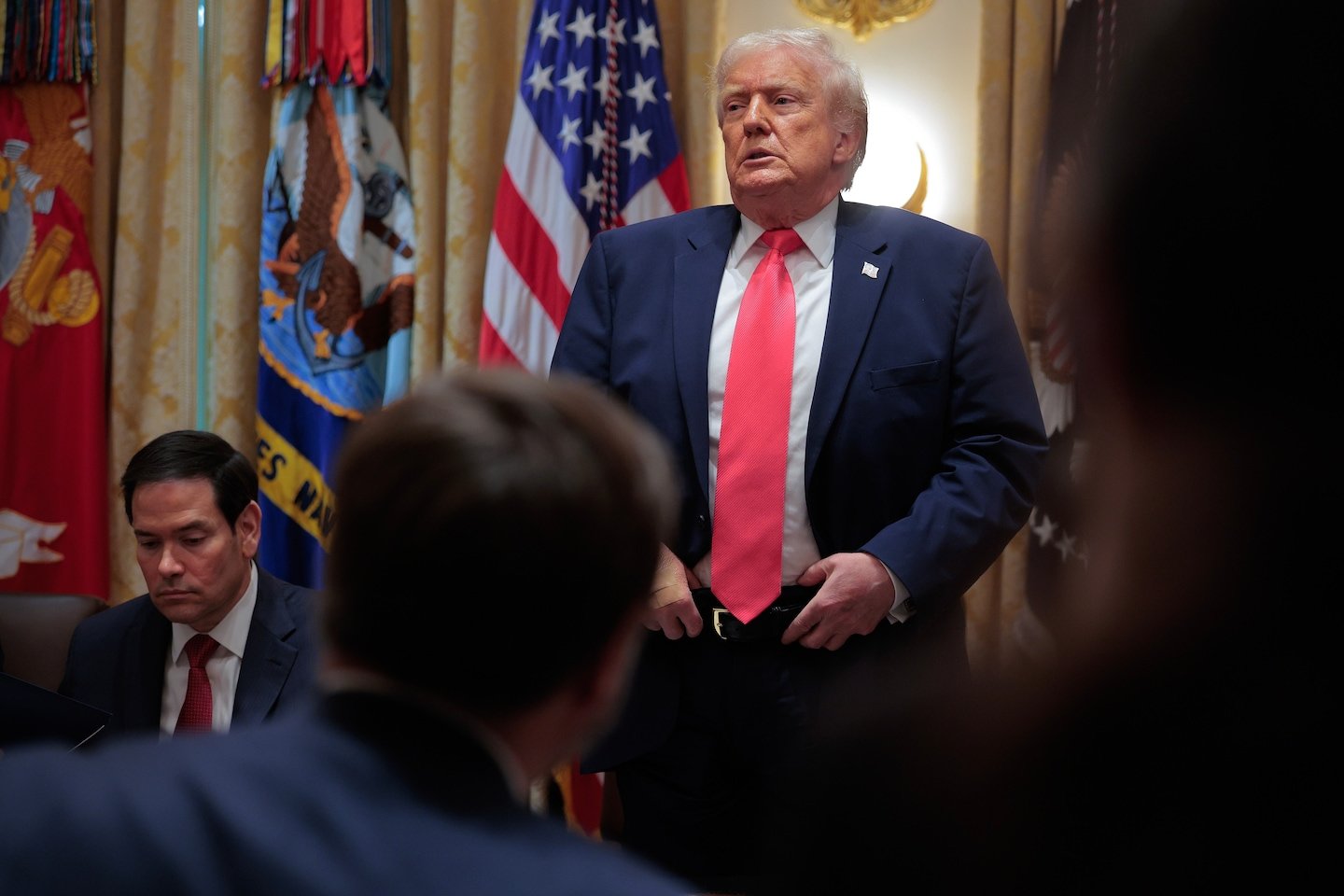
President Donald Trump’s efforts to compel Venezuelan President Nicolás Maduro to relinquish power and curb what the administration calls narcotics and sanctions evasion have reached a critical juncture, with Washington’s strategic options appearing increasingly constrained.
Trump’s campaign against the Venezuelan regime has evolved from anti-drug operations to a broader, high-stakes confrontation that combines naval interdictions, economic coercion and sustained military pressure.
The shift reflects both Trump’s determination to disrupt Maduro’s revenue streams and a political imperative to demonstrate decisive leadership on national security challenges.
On December 16, Trump ordered a “total and complete blockade” of all sanctioned Venezuelan oil tankers entering or leaving the country, a dramatic escalation that followed multiple U.S. seizures and interceptions of vessels linked to Venezuela’s so-called “shadow fleet.” U.S. forces, including the Coast Guard and Navy, have interdicted tankers such as the Panama-flagged Centuries and pursued others accused of transporting sanctioned crude, with Homeland Security officials emphasising their commitment to stopping illicit oil movements that allegedly fund narcoterrorism and organised crime.
Washington’s actions are part of a broader pressure campaign intended to choke off revenue that the administration argues props up Maduro’s hold on power and finances criminal networks.
The naval blockade and interdictions have significantly reduced Venezuelan oil exports and drawn global market attention, contributing to modest rises in oil prices and concerns about regional stability.
Trump and senior U.S. officials have framed the measures as legal and necessary to defend U.S. interests and disrupt transnational illicit networks, even as Maduro’s government decries the blockade as “international piracy” and vows to resist.
The intensification of U.S. pressure has been accompanied by the designation of Maduro and the Cartel of the Suns as foreign terrorist organisations, a step aimed at tightening sanctions and isolating key elements of Venezuela’s political and security apparatus.
Despite the assertive posture, U.S. policy options appear to be narrowing.
With Maduro still in power and regional allies offering him political and economic support, Trump’s administration faces a choice between sustaining pressure through military and economic leverage or risking a withdrawal that critics argue would signal a defeat after months of escalating confrontations.
Some senior U.S. lawmakers have urged an even more robust stance, including efforts to facilitate Maduro’s removal, while others have warned that unilateral military action without congressional authorisation could provoke legal and diplomatic backlash.
White House spokespeople have countered that all options remain available and that the current campaign protects American lives by disrupting drug trafficking and illegal migration.
The U.S. military presence in the Caribbean — including warships and thousands of troops — underscores the seriousness of the administration’s approach, but also places Trump at a strategic inflection point.
With oil tankers under blockade, heightened naval activity and an intricate sanctions regime, the United States appears to be pressing its leverage to the maximum without committing to a full ground invasion.
How these pressures translate into tangible political change in Caracas — and whether Maduro will capitulate, negotiate exile or continue to resist — remains a central question for U.S. foreign policy as 2025 draws to a close.
Trump’s campaign against the Venezuelan regime has evolved from anti-drug operations to a broader, high-stakes confrontation that combines naval interdictions, economic coercion and sustained military pressure.
The shift reflects both Trump’s determination to disrupt Maduro’s revenue streams and a political imperative to demonstrate decisive leadership on national security challenges.
On December 16, Trump ordered a “total and complete blockade” of all sanctioned Venezuelan oil tankers entering or leaving the country, a dramatic escalation that followed multiple U.S. seizures and interceptions of vessels linked to Venezuela’s so-called “shadow fleet.” U.S. forces, including the Coast Guard and Navy, have interdicted tankers such as the Panama-flagged Centuries and pursued others accused of transporting sanctioned crude, with Homeland Security officials emphasising their commitment to stopping illicit oil movements that allegedly fund narcoterrorism and organised crime.
Washington’s actions are part of a broader pressure campaign intended to choke off revenue that the administration argues props up Maduro’s hold on power and finances criminal networks.
The naval blockade and interdictions have significantly reduced Venezuelan oil exports and drawn global market attention, contributing to modest rises in oil prices and concerns about regional stability.
Trump and senior U.S. officials have framed the measures as legal and necessary to defend U.S. interests and disrupt transnational illicit networks, even as Maduro’s government decries the blockade as “international piracy” and vows to resist.
The intensification of U.S. pressure has been accompanied by the designation of Maduro and the Cartel of the Suns as foreign terrorist organisations, a step aimed at tightening sanctions and isolating key elements of Venezuela’s political and security apparatus.
Despite the assertive posture, U.S. policy options appear to be narrowing.
With Maduro still in power and regional allies offering him political and economic support, Trump’s administration faces a choice between sustaining pressure through military and economic leverage or risking a withdrawal that critics argue would signal a defeat after months of escalating confrontations.
Some senior U.S. lawmakers have urged an even more robust stance, including efforts to facilitate Maduro’s removal, while others have warned that unilateral military action without congressional authorisation could provoke legal and diplomatic backlash.
White House spokespeople have countered that all options remain available and that the current campaign protects American lives by disrupting drug trafficking and illegal migration.
The U.S. military presence in the Caribbean — including warships and thousands of troops — underscores the seriousness of the administration’s approach, but also places Trump at a strategic inflection point.
With oil tankers under blockade, heightened naval activity and an intricate sanctions regime, the United States appears to be pressing its leverage to the maximum without committing to a full ground invasion.
How these pressures translate into tangible political change in Caracas — and whether Maduro will capitulate, negotiate exile or continue to resist — remains a central question for U.S. foreign policy as 2025 draws to a close.