Focus on the BIG picture.
Friday, Feb 06, 2026
Outside the box.

Trump Signals Openness to Talks on Immigration Enforcement Amid Budget Standoff
White House says President Trump is willing to negotiate with congressional Democrats on immigration reform proposals, though key demands remain non-starters
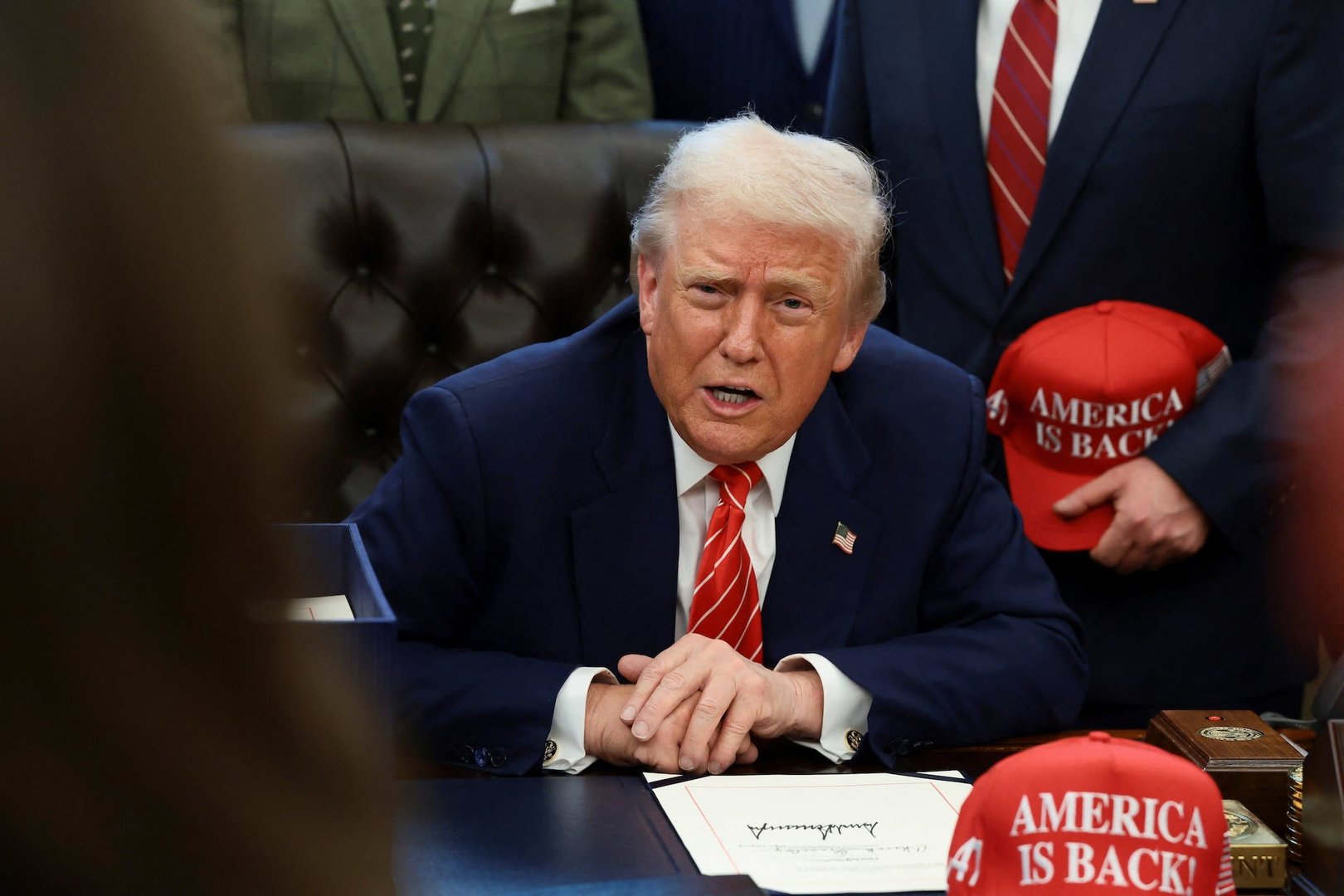
President Donald Trump’s administration has indicated a willingness to engage in negotiations with top congressional Democrats over immigration enforcement reforms as lawmakers grapple with funding negotiations that could affect the Department of Homeland Security.
White House spokeswoman Karoline Leavitt said on Thursday that Mr Trump is open to discussing Democrats’ proposed changes, even as some of their specific demands are described as unacceptable by the administration.
The offer to talk comes as Democrats have tied portions of Homeland Security funding to a set of detailed reform proposals aimed at reshaping how U.S. Immigration and Customs Enforcement and related agencies operate.
Democratic leaders Chuck Schumer and Hakeem Jeffries have outlined reforms including mandates on body cameras for agents, restrictions on mask use during operations, enhanced identification requirements and limits on enforcement actions at sensitive locations.
These proposals have emerged amid heightened scrutiny of immigration enforcement following fatal encounters between federal agents and civilians in Minneapolis and other cities.
Despite the willingness to engage, the White House has made clear that several of the Democrats’ requests are non-starters, reflecting a broader partisan divide on immigration policy and enforcement.
Republicans in Congress have largely rejected the more sweeping elements of the Democratic package, arguing that they could undermine border security and law enforcement effectiveness.
The negotiations over immigration reforms are occurring against a backdrop of looming budget deadlines, with lawmakers seeking to avoid a funding lapse for core homeland security functions including border protection and federal policing.
Analysts say the administration’s readiness to talk reflects both political and practical imperatives.
A failure to reach some form of agreement could deepen partisan conflict and disrupt government operations, though hardline positions on both sides have so far limited the scope of compromise.
For his part, Mr Trump has framed immigration enforcement as central to national security and public order, while signalling that certain reforms may be considered if they align with broader priorities and do not weaken enforcement capabilities.
The outcome of the talks is expected to shape both immediate funding decisions and the broader political landscape as 2026 progresses.
White House spokeswoman Karoline Leavitt said on Thursday that Mr Trump is open to discussing Democrats’ proposed changes, even as some of their specific demands are described as unacceptable by the administration.
The offer to talk comes as Democrats have tied portions of Homeland Security funding to a set of detailed reform proposals aimed at reshaping how U.S. Immigration and Customs Enforcement and related agencies operate.
Democratic leaders Chuck Schumer and Hakeem Jeffries have outlined reforms including mandates on body cameras for agents, restrictions on mask use during operations, enhanced identification requirements and limits on enforcement actions at sensitive locations.
These proposals have emerged amid heightened scrutiny of immigration enforcement following fatal encounters between federal agents and civilians in Minneapolis and other cities.
Despite the willingness to engage, the White House has made clear that several of the Democrats’ requests are non-starters, reflecting a broader partisan divide on immigration policy and enforcement.
Republicans in Congress have largely rejected the more sweeping elements of the Democratic package, arguing that they could undermine border security and law enforcement effectiveness.
The negotiations over immigration reforms are occurring against a backdrop of looming budget deadlines, with lawmakers seeking to avoid a funding lapse for core homeland security functions including border protection and federal policing.
Analysts say the administration’s readiness to talk reflects both political and practical imperatives.
A failure to reach some form of agreement could deepen partisan conflict and disrupt government operations, though hardline positions on both sides have so far limited the scope of compromise.
For his part, Mr Trump has framed immigration enforcement as central to national security and public order, while signalling that certain reforms may be considered if they align with broader priorities and do not weaken enforcement capabilities.
The outcome of the talks is expected to shape both immediate funding decisions and the broader political landscape as 2026 progresses.