Focus on the BIG picture.
Wednesday, Jan 07, 2026
Outside the box.

Washington State Advances Major Climate Strategy Targeting Heavy-Duty Trucks
New regulatory updates and funding aim to accelerate the transition to zero-emission commercial vehicles as part of the state’s broader climate commitments
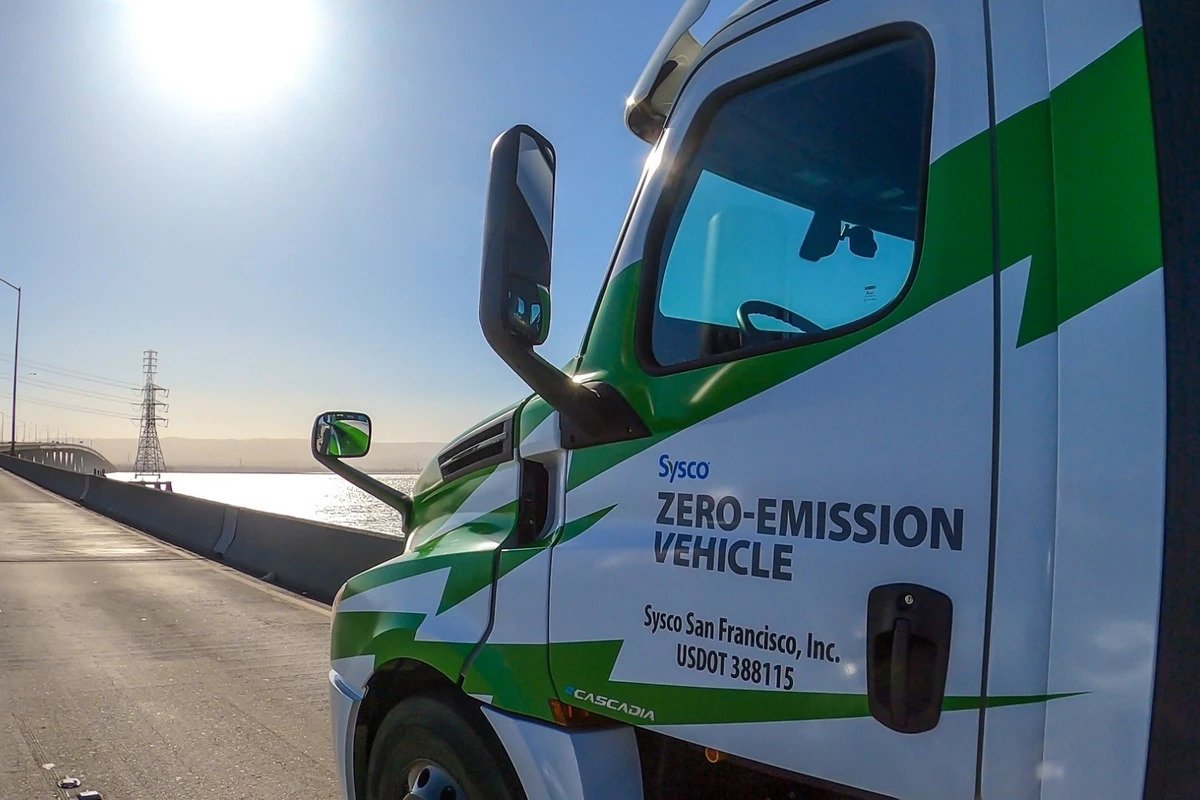
Washington state is intensifying its climate policy focus on heavy-duty trucks, unveiling updated rules and unprecedented financial support to reduce greenhouse gas emissions from one of the largest sources of on-road pollution.
The Washington Department of Ecology’s revised Advanced Clean Trucks framework will maintain and refine requirements for manufacturers to increase sales of zero-emission medium- and heavy-duty vehicles, while offering flexibility and support to address the unique challenges of electrifying larger commercial vehicles.
The updates accompany nearly one hundred sixty million dollars in state and federal funding dedicated to incentivising adoption of zero-emission trucks and building essential charging and refuelling infrastructure across the state, the second-largest truck electrification investment in the nation.
Transportation remains a leading contributor to climate pollution in Washington, and heavy-duty vehicles — including freight rigs, delivery vans and buses — account for a significant share of diesel emissions that contribute to climate change and local air quality problems.
The state’s rules align with the Advanced Clean Trucks standards pioneered in California and followed by multiple states and uphold Washington’s commitment under its Climate Commitment Act to cut emissions at scale.
Under the updated framework, sales profiles for zero-emission trucks will grow annually, though the state has moderated near-term requirements for the largest classes of vehicles and introduced mechanisms allowing manufacturers to earn compliance credits.
This approach is intended to balance climate ambition with market realities, as the technology and charging infrastructure for long-haul battery electric trucks are still developing.
Washington also plans to extend enforcement pauses on related clean vehicle regulations through mid-two thousand twenty-six to allow further industry adjustment.
Industry and government leaders emphasise that substantial public support will help bridge cost barriers and drive the zero-emission transition.
Funding will support small businesses and owner-operators in acquiring cleaner trucks, along with substantial investments in electric and hydrogen charging corridors that span the West Coast, connecting Canada to Mexico.
Local pilot programmes will extend assistance to drayage fleets serving major seaports.
Public comment periods and scheduled hearings this year will shape the final rulemaking, as Washington seeks to sustain momentum toward cleaner transport while maintaining economic competitiveness and community health benefits.
The Washington Department of Ecology’s revised Advanced Clean Trucks framework will maintain and refine requirements for manufacturers to increase sales of zero-emission medium- and heavy-duty vehicles, while offering flexibility and support to address the unique challenges of electrifying larger commercial vehicles.
The updates accompany nearly one hundred sixty million dollars in state and federal funding dedicated to incentivising adoption of zero-emission trucks and building essential charging and refuelling infrastructure across the state, the second-largest truck electrification investment in the nation.
Transportation remains a leading contributor to climate pollution in Washington, and heavy-duty vehicles — including freight rigs, delivery vans and buses — account for a significant share of diesel emissions that contribute to climate change and local air quality problems.
The state’s rules align with the Advanced Clean Trucks standards pioneered in California and followed by multiple states and uphold Washington’s commitment under its Climate Commitment Act to cut emissions at scale.
Under the updated framework, sales profiles for zero-emission trucks will grow annually, though the state has moderated near-term requirements for the largest classes of vehicles and introduced mechanisms allowing manufacturers to earn compliance credits.
This approach is intended to balance climate ambition with market realities, as the technology and charging infrastructure for long-haul battery electric trucks are still developing.
Washington also plans to extend enforcement pauses on related clean vehicle regulations through mid-two thousand twenty-six to allow further industry adjustment.
Industry and government leaders emphasise that substantial public support will help bridge cost barriers and drive the zero-emission transition.
Funding will support small businesses and owner-operators in acquiring cleaner trucks, along with substantial investments in electric and hydrogen charging corridors that span the West Coast, connecting Canada to Mexico.
Local pilot programmes will extend assistance to drayage fleets serving major seaports.
Public comment periods and scheduled hearings this year will shape the final rulemaking, as Washington seeks to sustain momentum toward cleaner transport while maintaining economic competitiveness and community health benefits.