Focus on the BIG picture.
Tuesday, Dec 23, 2025
Outside the box.

White House Threatens to Withhold Smithsonian Funding as It Demands Sweeping Content Review
Rising pressure on the nation’s premier museum complex ties federal appropriations to compliance with a broad historical review ahead of the United States’ 250th anniversary.
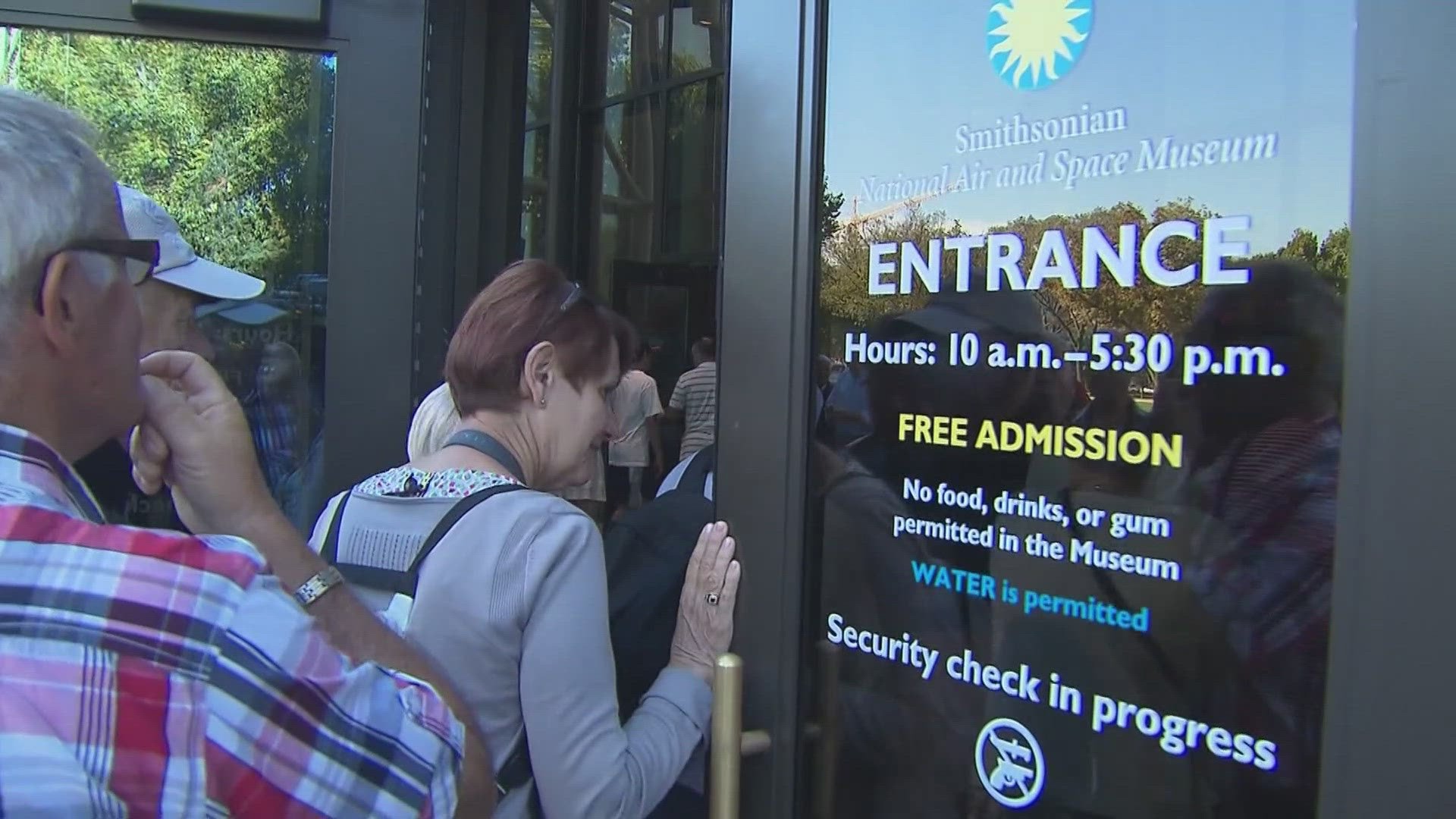
The White House has escalated a dispute with the Smithsonian Institution by threatening to withhold federally appropriated funding unless the museum system complies with an extensive request for internal documents and exhibition plans, a move that underscores deepening tensions over how American history is presented.
The administration’s demand, which comes as the nation prepares for its semiquincentennial in 2026, requires the Smithsonian to provide detailed records on current and future exhibitions, programming materials and internal guidelines by mid-January.
The threat of withholding funds is tied to compliance with a presidential directive aimed at aligning Smithsonian content with what the administration describes as “shared American values” and the celebration of national heritage.
Officials from the Domestic Policy Council and the Office of Management and Budget wrote to Smithsonian Secretary Lonnie G. Bunch III that the institution’s initial submissions were inadequate and insisted on fuller documentation on exhibitions and planned content for several key museums, including the National Museum of American History, the National Museum of Natural History and the National Museum of African American History and Culture.
The letter warns that federal funds may be apportioned only for use “consistent with Executive Order 14253,” which directs a review of historical narratives to emphasise unity and positive depictions of American history.
The Smithsonian, while largely government-funded, operates with a degree of institutional independence overseen by a Board of Regents.
In response to the White House’s demands, Mr. Bunch has affirmed the Smithsonian’s commitment to its mission and noted that gathering the requested materials has involved complex internal coordination, delaying full compliance.
He stressed the institution’s long tradition of nonpartisan scholarship and said it will continue internal reviews of content while engaging with the administration’s requests.
The confrontation reflects broader debates about public memory and the role of national cultural institutions in interpreting history.
Critics of the White House’s position argue that conditioning funding on alignment with specific narratives risks undermining scholarly independence and the Smithsonian’s long-standing role as a repository of diverse historical perspectives.
As the deadline approaches, the institution’s response could shape how America’s story is curated and presented at a pivotal moment in the nation’s commemorative calendar.
The administration’s demand, which comes as the nation prepares for its semiquincentennial in 2026, requires the Smithsonian to provide detailed records on current and future exhibitions, programming materials and internal guidelines by mid-January.
The threat of withholding funds is tied to compliance with a presidential directive aimed at aligning Smithsonian content with what the administration describes as “shared American values” and the celebration of national heritage.
Officials from the Domestic Policy Council and the Office of Management and Budget wrote to Smithsonian Secretary Lonnie G. Bunch III that the institution’s initial submissions were inadequate and insisted on fuller documentation on exhibitions and planned content for several key museums, including the National Museum of American History, the National Museum of Natural History and the National Museum of African American History and Culture.
The letter warns that federal funds may be apportioned only for use “consistent with Executive Order 14253,” which directs a review of historical narratives to emphasise unity and positive depictions of American history.
The Smithsonian, while largely government-funded, operates with a degree of institutional independence overseen by a Board of Regents.
In response to the White House’s demands, Mr. Bunch has affirmed the Smithsonian’s commitment to its mission and noted that gathering the requested materials has involved complex internal coordination, delaying full compliance.
He stressed the institution’s long tradition of nonpartisan scholarship and said it will continue internal reviews of content while engaging with the administration’s requests.
The confrontation reflects broader debates about public memory and the role of national cultural institutions in interpreting history.
Critics of the White House’s position argue that conditioning funding on alignment with specific narratives risks undermining scholarly independence and the Smithsonian’s long-standing role as a repository of diverse historical perspectives.
As the deadline approaches, the institution’s response could shape how America’s story is curated and presented at a pivotal moment in the nation’s commemorative calendar.