Focus on the BIG picture.
Tuesday, Dec 23, 2025
Outside the box.

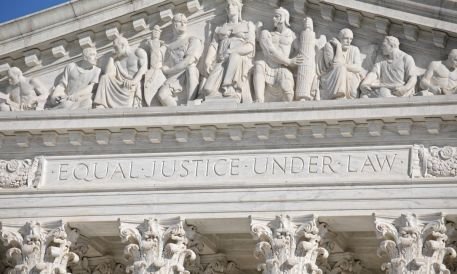
White House Warns Supreme Court Tariff Refunds Could Create Major Administrative Challenge
Top economic adviser says logistical complexities of returning tariff revenue could deter wide-scale reimbursements if high court strikes down Trump’s levies.
The White House has signalled that a potential requirement to refund tariffs collected under President Trump’s sweeping import duties would pose a significant “administrative problem” for the federal government, adding a new dimension to the legal battle over the president’s trade policy.
The warning came from the director of the National Economic Council, who emphasised the logistical hurdles associated with issuing billions of dollars in refunds should the Supreme Court rule against the legality of the tariff regime imposed this year.
The tariffs, which have been levied on imports from a broad array of trading partners under emergency powers, have generated hundreds of billions of dollars in revenue.
A lower court decision striking them down on statutory grounds is now under review by the Supreme Court.
If upheld, importers that paid duties could be legally entitled to have those payments returned.
Administration officials have expressed concern about the complex process of reimbursing importers, involving tracking payments and determining eligibility across thousands of shipments and entities.
The White House’s argument reflects broader uncertainty over how a refund system would operate.
Trade experts note that any refund mechanism likely would require extensive record-keeping and coordination with U.S. Customs and Border Protection, which has already collected tens of billions of dollars in tariff revenue this year.
Some legal analysts have pointed out that refund systems have precedent in other tariff-related cases, but the scale of Trump’s levies would make this effort unusually large.
Businesses anticipating a potential reimbursement face their own challenges.
Importers would need to demonstrate that they paid specific duties to be eligible, and legal advisers say many companies are already filing claims with the U.S. Court of International Trade to preserve their rights.
The administration has also appealed the lower court ruling to the Supreme Court, maintaining that the tariffs should remain in effect and that widespread refunds would disrupt Treasury revenue and complicate trade policy implementation.
As the legal process unfolds, the White House continues to stress its confidence in prevailing before the high court, even as it prepares contingency plans to manage both the continuation of tariff policy and any administrative obligations that might arise from a rulings against current measures.
The warning came from the director of the National Economic Council, who emphasised the logistical hurdles associated with issuing billions of dollars in refunds should the Supreme Court rule against the legality of the tariff regime imposed this year.
The tariffs, which have been levied on imports from a broad array of trading partners under emergency powers, have generated hundreds of billions of dollars in revenue.
A lower court decision striking them down on statutory grounds is now under review by the Supreme Court.
If upheld, importers that paid duties could be legally entitled to have those payments returned.
Administration officials have expressed concern about the complex process of reimbursing importers, involving tracking payments and determining eligibility across thousands of shipments and entities.
The White House’s argument reflects broader uncertainty over how a refund system would operate.
Trade experts note that any refund mechanism likely would require extensive record-keeping and coordination with U.S. Customs and Border Protection, which has already collected tens of billions of dollars in tariff revenue this year.
Some legal analysts have pointed out that refund systems have precedent in other tariff-related cases, but the scale of Trump’s levies would make this effort unusually large.
Businesses anticipating a potential reimbursement face their own challenges.
Importers would need to demonstrate that they paid specific duties to be eligible, and legal advisers say many companies are already filing claims with the U.S. Court of International Trade to preserve their rights.
The administration has also appealed the lower court ruling to the Supreme Court, maintaining that the tariffs should remain in effect and that widespread refunds would disrupt Treasury revenue and complicate trade policy implementation.
As the legal process unfolds, the White House continues to stress its confidence in prevailing before the high court, even as it prepares contingency plans to manage both the continuation of tariff policy and any administrative obligations that might arise from a rulings against current measures.