Focus on the BIG picture.
Wednesday, Dec 31, 2025
Outside the box.

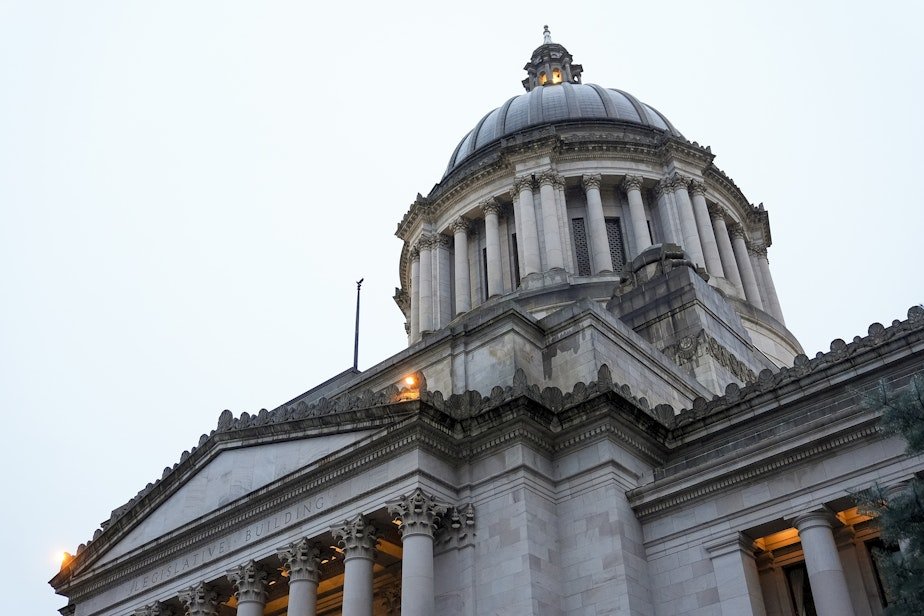
A Range of New Laws and Taxes Take Effect in Washington State on January 1, 2026
Significant changes to worker protections, minimum wage, business taxes and consumer levies reshape the regulatory landscape as the new year begins
Washington state will see a broad set of new laws and tax changes take effect on January 1, 2026, affecting workers, consumers, businesses and taxpayers across the state.
The annual legislative calendar has ushered in both policy reforms and tax updates aimed at updating workplace rights, adjusting fiscal policy and expanding regulatory frameworks.
One of the most notable changes is an increase in the state’s minimum wage, which will rise to seventeen dollars and thirteen cents per hour.
This adjustment reflects statutory requirements linked to inflation and maintains Washington’s status as having one of the highest minimum wages in the United States.
At the same time, Paid Family and Medical Leave rules will expand job protections for employees at firms with twenty-five or more workers, covering eligible workers after one hundred eighty days of employment and extending benefits administration duties for employers.
Washington’s tax code will also see significant updates.
New tobacco taxation will bring most nicotine products, including synthetically derived pouches and disposable vape items, under the state tobacco products tax at ninety-five percent of the selling price.
Additional new tax obligations arise from expansions of the business and occupation tax: a temporary surcharge of zero point five percent applies to large employers with taxable income above two hundred fifty million dollars; advanced computing surcharges and expanded taxable services categories will also begin to apply.
A new luxury tax on certain vehicles and private aircraft sales will impose an eight percent levy on value exceeding one hundred thousand dollars, and changes to sales tax rules will extend retail obligations to more services and transactions.
Family law and worker safety changes are part of the legislative package as well.
Revised child support guidelines extend presumptive support schedules to higher-income groups, and expanded protections for victims of hate crimes and violence under workplace leave laws become enforceable.
Additionally, employer requirements for enhanced safety measures, such as panic-button provisions for isolated workers and broader leave rights, will be fully implemented.
These measures reflect the legislature’s efforts to address economic, social and regulatory priorities heading into 2026, with effects spanning household incomes, public health, business operating costs and labour protections throughout Washington state.
The annual legislative calendar has ushered in both policy reforms and tax updates aimed at updating workplace rights, adjusting fiscal policy and expanding regulatory frameworks.
One of the most notable changes is an increase in the state’s minimum wage, which will rise to seventeen dollars and thirteen cents per hour.
This adjustment reflects statutory requirements linked to inflation and maintains Washington’s status as having one of the highest minimum wages in the United States.
At the same time, Paid Family and Medical Leave rules will expand job protections for employees at firms with twenty-five or more workers, covering eligible workers after one hundred eighty days of employment and extending benefits administration duties for employers.
Washington’s tax code will also see significant updates.
New tobacco taxation will bring most nicotine products, including synthetically derived pouches and disposable vape items, under the state tobacco products tax at ninety-five percent of the selling price.
Additional new tax obligations arise from expansions of the business and occupation tax: a temporary surcharge of zero point five percent applies to large employers with taxable income above two hundred fifty million dollars; advanced computing surcharges and expanded taxable services categories will also begin to apply.
A new luxury tax on certain vehicles and private aircraft sales will impose an eight percent levy on value exceeding one hundred thousand dollars, and changes to sales tax rules will extend retail obligations to more services and transactions.
Family law and worker safety changes are part of the legislative package as well.
Revised child support guidelines extend presumptive support schedules to higher-income groups, and expanded protections for victims of hate crimes and violence under workplace leave laws become enforceable.
Additionally, employer requirements for enhanced safety measures, such as panic-button provisions for isolated workers and broader leave rights, will be fully implemented.
These measures reflect the legislature’s efforts to address economic, social and regulatory priorities heading into 2026, with effects spanning household incomes, public health, business operating costs and labour protections throughout Washington state.