Focus on the BIG picture.
Wednesday, Dec 31, 2025
Outside the box.

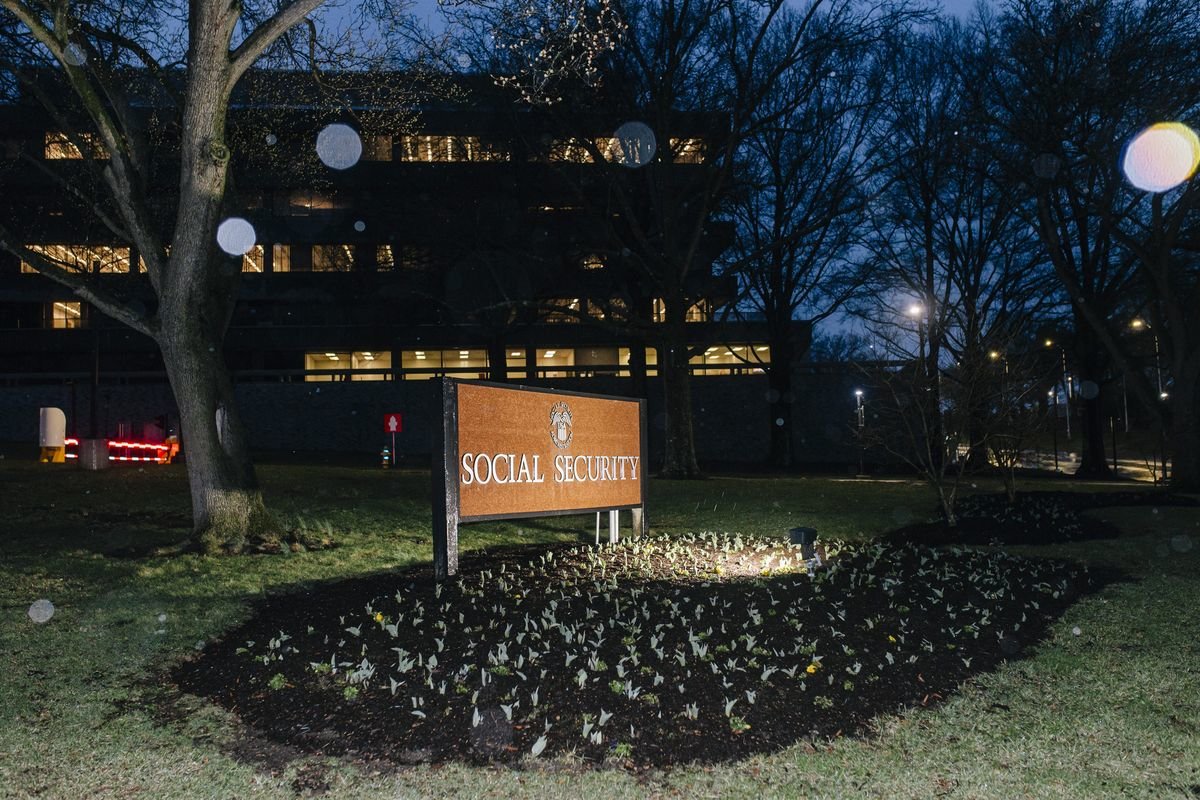
Service Breakdowns, Backlogs and Policy Shifts: Social Security Struggles Intensify Under Trump Administration
Operational disruptions, staffing cuts, and procedural changes have eroded performance at the Social Security Administration, deepening delays for millions of beneficiaries
The Social Security system in the United States has experienced a marked decline in performance and service quality under President Donald Trump’s current administration, according to multiple recent reports and internal agency data.
Beneficiaries — including retirees, disabled Americans and legal immigrants — have encountered longer wait times, increased backlogs and reduced responsiveness across key Social Security Administration (SSA) services.
Service disruptions have accelerated as the SSA underwent a series of structural reforms initiated by the administration’s Department of Government Efficiency initiative, which sought to streamline operations and reduce costs.
The effort resulted in substantial staff departures, including firings, early retirements and voluntary separations, at a time when demand for Social Security services has surged with an aging population and rising claim volumes.
Field offices have been particularly affected, with reduced staffing contributing to slower processing of disability claims, retirement benefit adjustments and routine customer service inquiries.
These personnel shifts have compounded longstanding staffing shortages that experts say were already pressuring the agency’s ability to serve beneficiaries.
The administration’s push to combat perceived fraud and inefficiencies has also introduced procedural hurdles.
New identity verification requirements and restrictions on over-the-phone transactions forced some clients — particularly older beneficiaries and those without easy internet access — to visit field offices in person or navigate unfamiliar online systems.
Internal documents indicate that these requirements initially disrupted service flows, driving up call volumes and overwhelming the agency’s digital platforms.
Backlogs have reached record levels, with millions of pending transactions at processing centers and field offices, resulting in delayed benefit decisions and extended wait times for claimant appointments and direct deposit changes.
Disability adjudication timelines have worsened, with a sharp decline in the share of cases completed within standard windows.
Agency morale has reportedly suffered amid rapid leadership changes and strategic restructuring, contributing to uneven service delivery across regions.
While the administration and SSA leadership have pointed to digital modernisation plans and customer service enhancements as long-term solutions, critics argue that these measures have not yet alleviated the immediate dysfunction.
Public confidence in Social Security’s responsiveness has dropped, even as the program remains crucial to the income security of tens of millions of Americans.
The unfolding situation highlights the challenge of managing operational reform in one of the nation’s largest federal benefit systems without compromising the timely delivery of services that beneficiaries rely upon daily.
Beneficiaries — including retirees, disabled Americans and legal immigrants — have encountered longer wait times, increased backlogs and reduced responsiveness across key Social Security Administration (SSA) services.
Service disruptions have accelerated as the SSA underwent a series of structural reforms initiated by the administration’s Department of Government Efficiency initiative, which sought to streamline operations and reduce costs.
The effort resulted in substantial staff departures, including firings, early retirements and voluntary separations, at a time when demand for Social Security services has surged with an aging population and rising claim volumes.
Field offices have been particularly affected, with reduced staffing contributing to slower processing of disability claims, retirement benefit adjustments and routine customer service inquiries.
These personnel shifts have compounded longstanding staffing shortages that experts say were already pressuring the agency’s ability to serve beneficiaries.
The administration’s push to combat perceived fraud and inefficiencies has also introduced procedural hurdles.
New identity verification requirements and restrictions on over-the-phone transactions forced some clients — particularly older beneficiaries and those without easy internet access — to visit field offices in person or navigate unfamiliar online systems.
Internal documents indicate that these requirements initially disrupted service flows, driving up call volumes and overwhelming the agency’s digital platforms.
Backlogs have reached record levels, with millions of pending transactions at processing centers and field offices, resulting in delayed benefit decisions and extended wait times for claimant appointments and direct deposit changes.
Disability adjudication timelines have worsened, with a sharp decline in the share of cases completed within standard windows.
Agency morale has reportedly suffered amid rapid leadership changes and strategic restructuring, contributing to uneven service delivery across regions.
While the administration and SSA leadership have pointed to digital modernisation plans and customer service enhancements as long-term solutions, critics argue that these measures have not yet alleviated the immediate dysfunction.
Public confidence in Social Security’s responsiveness has dropped, even as the program remains crucial to the income security of tens of millions of Americans.
The unfolding situation highlights the challenge of managing operational reform in one of the nation’s largest federal benefit systems without compromising the timely delivery of services that beneficiaries rely upon daily.