Focus on the BIG picture.
Saturday, Jan 03, 2026
Outside the box.

American Soybean Farmers Call White House $12 Billion Bailout a ‘Band-Aid on a Deep Wound’
U.S. Department of Agriculture details bridge payment rates that many growers say are inadequate to offset losses from tariffs and lost export markets
American soybean farmers have greeted the White House’s disclosure of detailed payment rates under a $12 billion agricultural bailout with cautious relief but clear frustration, describing the assistance as a ‘‘Band-Aid on a deep wound’’ rather than a comprehensive solution to the economic damage inflicted by tariffs and weakened export markets.
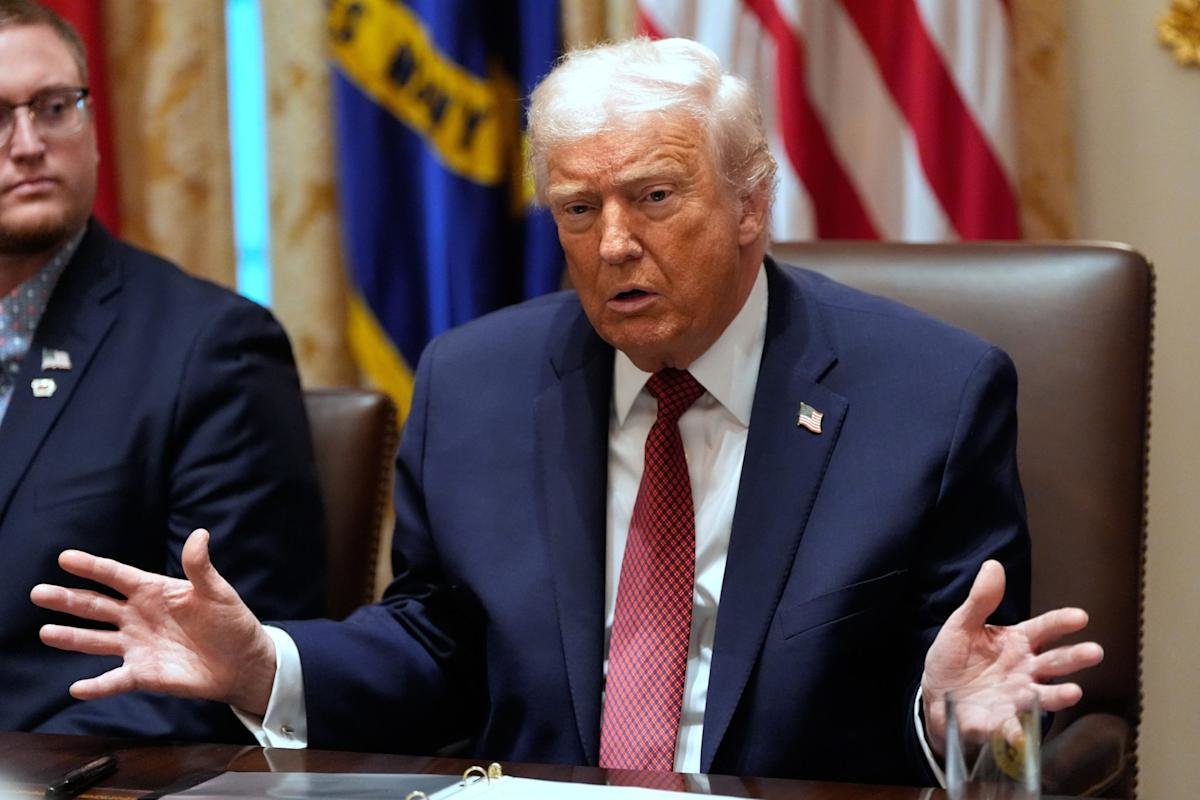
The U.S. Department of Agriculture’s Farmer Bridge Assistance programme, announced by President Donald Trump and his Cabinet, will deliver roughly $11 billion in one-time payments to row-crop producers to help offset losses from trade disruptions and high input costs, with a further $1 billion reserved for specialty crop growers.
Farmers affected by the downturn, especially soybean growers, argue that the sum offered is a fraction of what is needed to sustain long-term viability.
Under the USDA’s formula, soybean growers will receive about $30.88 per acre planted in 2025, far lower than what farmers say is required to compensate for years of depressed prices and lost access to key buyers such as China, which had drastically cut purchases in the wake of U.S. tariffs.
Corn farmers will receive approximately $44.36 per acre, sorghum growers around $48.11 per acre and rice and cotton producers higher amounts per acre.
While agricultural officials say the assistance will arrive by late February 2026 and provide a bridge to improved markets and crop insurance enhancements under the new One Big Beautiful Bill Act, growers warn the per-acre rates fall short of covering the gap between costs and revenue.
Voices from the fields reflect deep concern about the broader economic pressures facing rural America.
‘‘This payment is welcome and appreciated,’’ said Caleb Ragland, former president of the American Soybean Association and a Kentucky farmer, ‘‘but in real terms it’s not enough to make our operations solvent next season.’’ Ragland and his peers note that soybean incomes have been under significant strain for years as global competitors gained market share and input costs — from fertilizer to seed — soared.
They emphasise that sustainable recovery will require not just temporary financial support but renewed access to export markets and trade agreements that restore demand for U.S. crops abroad.
Administration officials, including Agriculture Secretary Brooke Rollins, have defended the programme as a necessary and immediate step to support producers through a period of volatility, asserting that tariff revenues can be used to fund the payments and that ongoing trade negotiations aim to open opportunities in key markets.
But critics within the agricultural sector worry that without structural market solutions and stronger long-term trade relationships, farm incomes will remain vulnerable.
With the Biden-era farm safety net modified under recent legislation and USDA reference prices set to rise next crop year, farmers and policymakers alike are weighing how best to secure the future of U.S. agriculture amidst persistent headwinds and global competition.
The U.S. Department of Agriculture’s Farmer Bridge Assistance programme, announced by President Donald Trump and his Cabinet, will deliver roughly $11 billion in one-time payments to row-crop producers to help offset losses from trade disruptions and high input costs, with a further $1 billion reserved for specialty crop growers.
Farmers affected by the downturn, especially soybean growers, argue that the sum offered is a fraction of what is needed to sustain long-term viability.
Under the USDA’s formula, soybean growers will receive about $30.88 per acre planted in 2025, far lower than what farmers say is required to compensate for years of depressed prices and lost access to key buyers such as China, which had drastically cut purchases in the wake of U.S. tariffs.
Corn farmers will receive approximately $44.36 per acre, sorghum growers around $48.11 per acre and rice and cotton producers higher amounts per acre.
While agricultural officials say the assistance will arrive by late February 2026 and provide a bridge to improved markets and crop insurance enhancements under the new One Big Beautiful Bill Act, growers warn the per-acre rates fall short of covering the gap between costs and revenue.
Voices from the fields reflect deep concern about the broader economic pressures facing rural America.
‘‘This payment is welcome and appreciated,’’ said Caleb Ragland, former president of the American Soybean Association and a Kentucky farmer, ‘‘but in real terms it’s not enough to make our operations solvent next season.’’ Ragland and his peers note that soybean incomes have been under significant strain for years as global competitors gained market share and input costs — from fertilizer to seed — soared.
They emphasise that sustainable recovery will require not just temporary financial support but renewed access to export markets and trade agreements that restore demand for U.S. crops abroad.
Administration officials, including Agriculture Secretary Brooke Rollins, have defended the programme as a necessary and immediate step to support producers through a period of volatility, asserting that tariff revenues can be used to fund the payments and that ongoing trade negotiations aim to open opportunities in key markets.
But critics within the agricultural sector worry that without structural market solutions and stronger long-term trade relationships, farm incomes will remain vulnerable.
With the Biden-era farm safety net modified under recent legislation and USDA reference prices set to rise next crop year, farmers and policymakers alike are weighing how best to secure the future of U.S. agriculture amidst persistent headwinds and global competition.