Focus on the BIG picture.
Saturday, Jan 03, 2026
Outside the box.

Trump’s Presidency Tests and Expands Powers That Post-Watergate Reforms Once Curbed
Actions by President Trump are prompting debate over the legacy of Watergate-era constraints and the evolving balance of executive authority in Washington
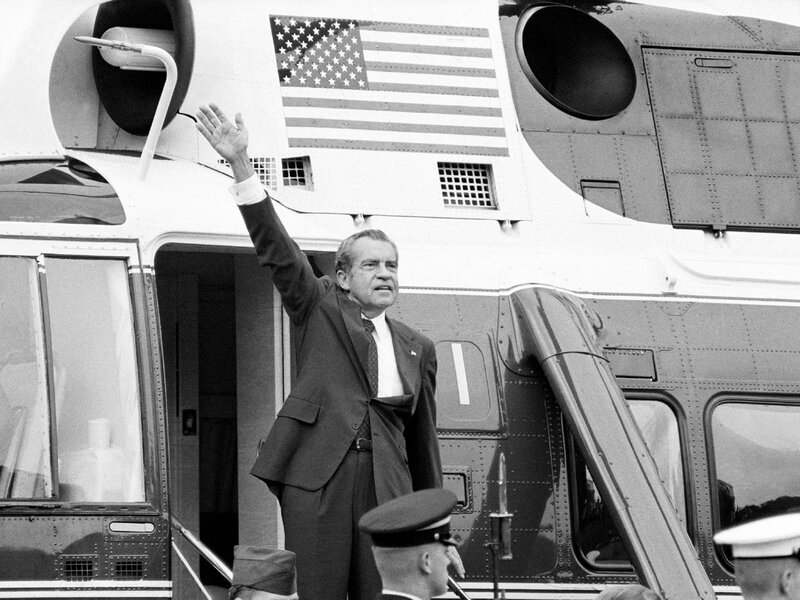
President Donald Trump’s second term has seen a series of policy moves, personnel changes and administrative strategies that legal scholars and political analysts describe as testing and, in some respects, expanding the limits of presidential power established in the wake of the Watergate scandal.
For decades after Richard Nixon’s resignation in 1974, lawmakers enacted reforms aimed at constraining executive overreach, creating independent watchdogs, limiting unchecked emergency authority and embedding accountability across the government.
Those reforms sought to reinforce congressional oversight, strengthen inspector general offices and ensure civil service protections.
In recent months, Trump has pursued a range of initiatives that challenge these post-Watergate norms.
His administration’s extensive use of executive orders — with an unusually high tally in 2025 — reflects an assertive approach to governing that bypasses traditional legislative pathways and puts a premium on unilateral action.
The president’s firing of senior watchdog officials and efforts to reshape or reduce independent agencies have drawn attention to how limits on executive authority can be altered in practice.
Scholars note that some of the statutory safeguards introduced after Watergate, including independent inspector general roles and certain spending controls, are being tested not only by executive decisions but also by supportive actions in Congress and sympathetic judicial interpretations.
Plans associated with broader visions of executive control, such as proposals aligned with Project 2025 that aim to place federal agencies more directly under presidential authority, have added to the debate about the future scope of the presidency.
Supporters of Trump’s assertive executive posture argue that a strong presidency is necessary to overcome political gridlock and implement a comprehensive agenda, consistent with a robust interpretation of Article II of the Constitution.
Critics contend that these developments risk undoing decades of reform and could diminish checks and balances intended to protect institutional independence and accountability.
As the courts, Congress and civil society grapple with these shifts, the enduring question of how to balance effective executive leadership with democratic oversight remains at the forefront of American governance in the post-Watergate era.
For decades after Richard Nixon’s resignation in 1974, lawmakers enacted reforms aimed at constraining executive overreach, creating independent watchdogs, limiting unchecked emergency authority and embedding accountability across the government.
Those reforms sought to reinforce congressional oversight, strengthen inspector general offices and ensure civil service protections.
In recent months, Trump has pursued a range of initiatives that challenge these post-Watergate norms.
His administration’s extensive use of executive orders — with an unusually high tally in 2025 — reflects an assertive approach to governing that bypasses traditional legislative pathways and puts a premium on unilateral action.
The president’s firing of senior watchdog officials and efforts to reshape or reduce independent agencies have drawn attention to how limits on executive authority can be altered in practice.
Scholars note that some of the statutory safeguards introduced after Watergate, including independent inspector general roles and certain spending controls, are being tested not only by executive decisions but also by supportive actions in Congress and sympathetic judicial interpretations.
Plans associated with broader visions of executive control, such as proposals aligned with Project 2025 that aim to place federal agencies more directly under presidential authority, have added to the debate about the future scope of the presidency.
Supporters of Trump’s assertive executive posture argue that a strong presidency is necessary to overcome political gridlock and implement a comprehensive agenda, consistent with a robust interpretation of Article II of the Constitution.
Critics contend that these developments risk undoing decades of reform and could diminish checks and balances intended to protect institutional independence and accountability.
As the courts, Congress and civil society grapple with these shifts, the enduring question of how to balance effective executive leadership with democratic oversight remains at the forefront of American governance in the post-Watergate era.