Focus on the BIG picture.
Saturday, Jan 03, 2026
Outside the box.

Nuclear Power Initiatives Gain Momentum in Washington State as Strategic Projects Advance
From major upgrades at the Columbia Generating Station to Amazon-backed small modular reactors, Washington emerges as a hub of nuclear energy development
Washington state is seeing a notable surge in nuclear power activity, with both existing infrastructure upgrades and ambitious new projects underway that could reshape its energy landscape.
Central to this momentum is the Columbia Generating Station near Richland, the Pacific Northwest’s only commercial nuclear facility, which has secured approval for a major extended power uprate.
The $700 million project, approved by the Bonneville Power Administration, will increase the plant’s output by nearly 186 megawatts by the early 2030s, enhancing regional energy reliability and supporting growing demand across multiple states.
In parallel, Washington is at the forefront of next-generation nuclear development through a partnership between Energy Northwest, technology developer X-energy and corporate investor Amazon.
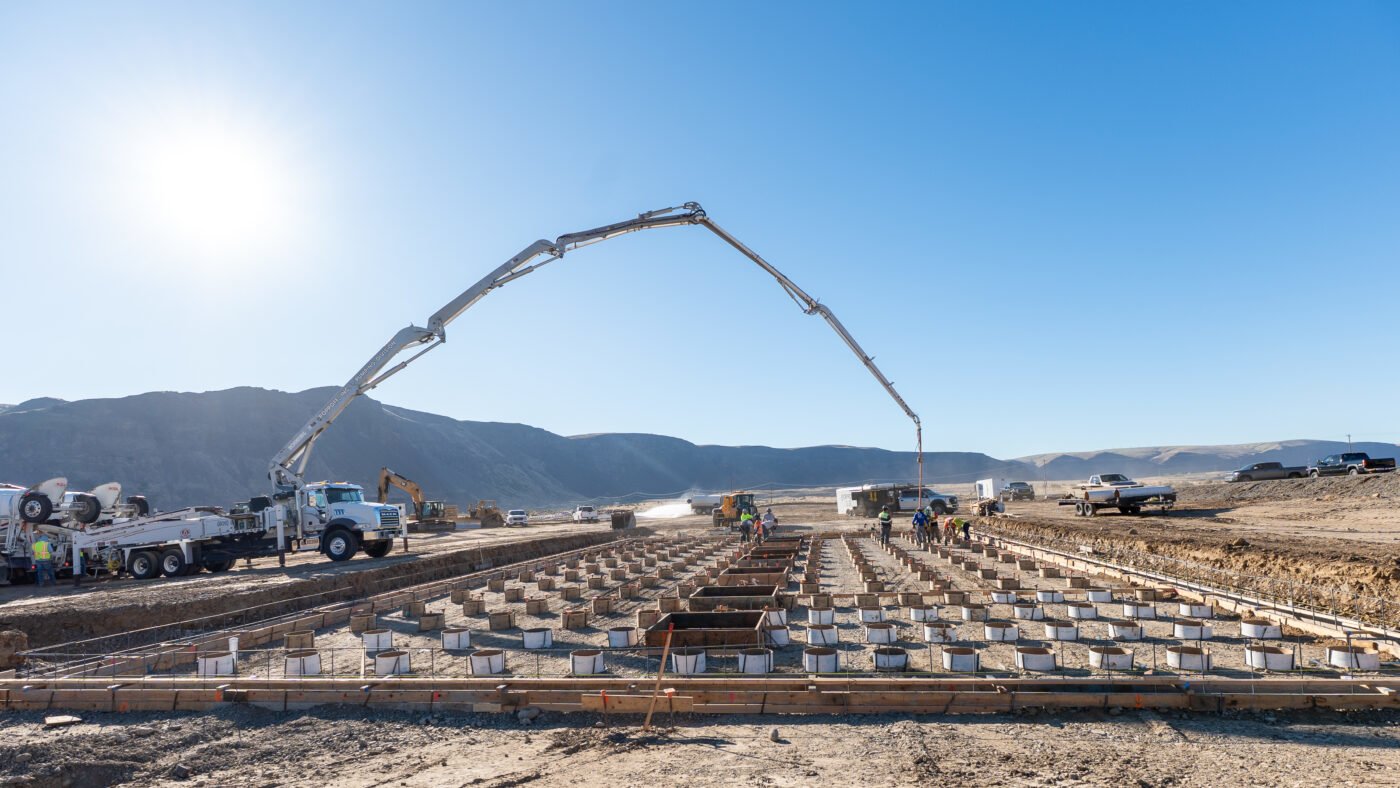
This coalition has unveiled plans for the Cascade Advanced Energy Facility, a pioneering plant designed to deploy up to twelve small modular reactors (SMRs) of the advanced Xe-100 design near the Columbia site.
In its initial phase, four SMRs would deliver around 320 megawatts of reliable, carbon-free energy, with the potential to expand to nearly 960 megawatts overall — enough to power hundreds of thousands of homes and support data-intensive industries.
Amazon’s investment, which includes hundreds of millions of dollars in early funding and a broader corporate commitment to deploy five gigawatts of nuclear power in the United States by 2039, reflects the strategic importance of SMRs to both commercial energy needs and clean-energy goals.
The partnership also signals a broader trend of public-private collaboration in nuclear deployment, with Amazon taking on early financial risk to help catalyse a technology transition that traditional utilities find challenging to undertake alone.
Project officials report progress in regulatory discussions with the Nuclear Regulatory Commission and Washington regulators, aiming for construction to start later in the decade and operations to begin in the 2030s.
Taken together, the uprate at Columbia and the proposed SMR deployment illustrate a renewed focus on nuclear power in Washington state as a reliable, carbon-free component of the region’s energy portfolio.
As energy demand grows — in part driven by digital infrastructure and data-centre expansion — these ventures could position the state as a leader in both traditional and advanced nuclear technologies, contributing significantly to regional grid stability and long-term sustainability.
Central to this momentum is the Columbia Generating Station near Richland, the Pacific Northwest’s only commercial nuclear facility, which has secured approval for a major extended power uprate.
The $700 million project, approved by the Bonneville Power Administration, will increase the plant’s output by nearly 186 megawatts by the early 2030s, enhancing regional energy reliability and supporting growing demand across multiple states.
In parallel, Washington is at the forefront of next-generation nuclear development through a partnership between Energy Northwest, technology developer X-energy and corporate investor Amazon.
This coalition has unveiled plans for the Cascade Advanced Energy Facility, a pioneering plant designed to deploy up to twelve small modular reactors (SMRs) of the advanced Xe-100 design near the Columbia site.
In its initial phase, four SMRs would deliver around 320 megawatts of reliable, carbon-free energy, with the potential to expand to nearly 960 megawatts overall — enough to power hundreds of thousands of homes and support data-intensive industries.
Amazon’s investment, which includes hundreds of millions of dollars in early funding and a broader corporate commitment to deploy five gigawatts of nuclear power in the United States by 2039, reflects the strategic importance of SMRs to both commercial energy needs and clean-energy goals.
The partnership also signals a broader trend of public-private collaboration in nuclear deployment, with Amazon taking on early financial risk to help catalyse a technology transition that traditional utilities find challenging to undertake alone.
Project officials report progress in regulatory discussions with the Nuclear Regulatory Commission and Washington regulators, aiming for construction to start later in the decade and operations to begin in the 2030s.
Taken together, the uprate at Columbia and the proposed SMR deployment illustrate a renewed focus on nuclear power in Washington state as a reliable, carbon-free component of the region’s energy portfolio.
As energy demand grows — in part driven by digital infrastructure and data-centre expansion — these ventures could position the state as a leader in both traditional and advanced nuclear technologies, contributing significantly to regional grid stability and long-term sustainability.