Focus on the BIG picture.
Saturday, Jan 17, 2026
Outside the box.

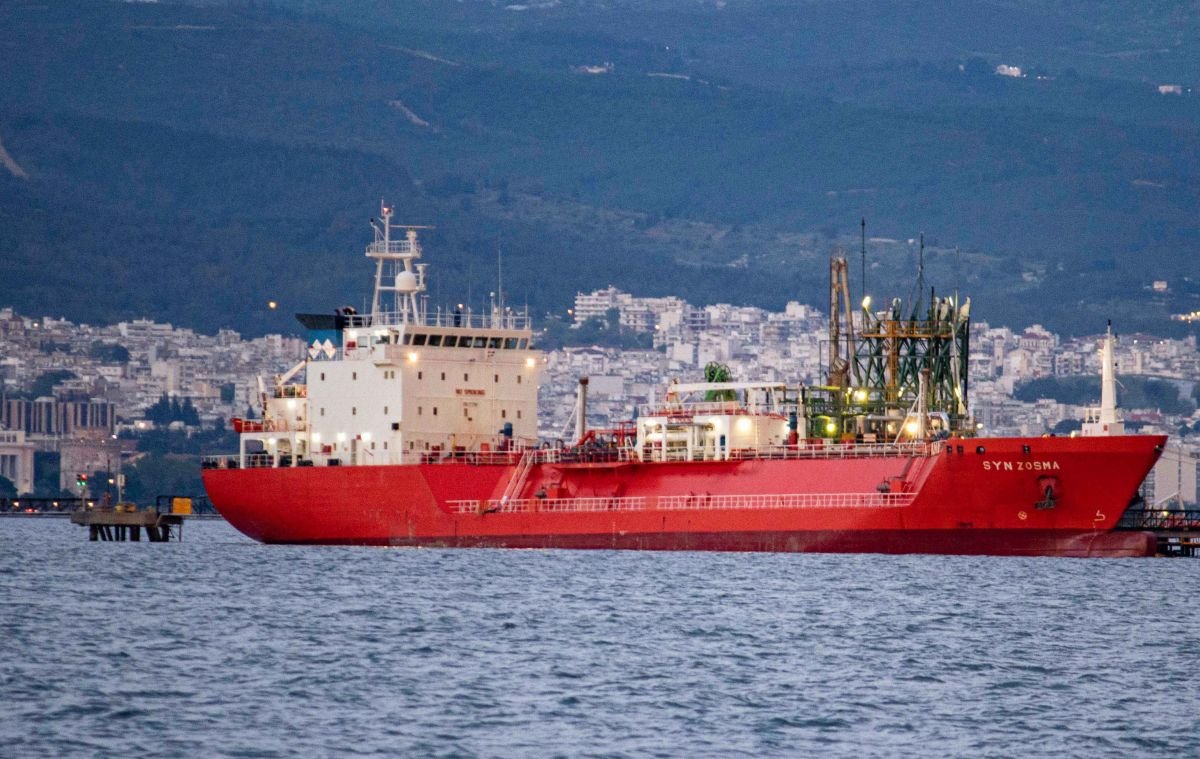
Athens Defies EU Unified Position to Align with US and Saudi Stance on Green Shipping Deal
Greece’s abstention on a global maritime emissions pact highlights divisions within the European Union over climate and industrial policy
Greece has broken ranks with its European Union partners by siding, through abstention, with the United States and Saudi Arabia in a dispute over an international shipping emissions agreement, complicating Brussels’ effort to present a unified climate diplomacy front.
At a recent International Maritime Organization (IMO) session in London, Athens — along with Cyprus — abstained during a vote on the adoption of the Net-Zero Framework, a landmark effort to establish binding measures to cut greenhouse gas emissions from global shipping.
The abstention stood in contrast to the positions of most EU member states, which backed the deal and are pursuing ambitious climate goals for the bloc’s shipping sector.
The Greek decision effectively aligned Athens with the position taken by the US and Saudi Arabia, both of which opposed the framework’s adoption as originally drafted and drove a successful proposal to postpone its implementation for another year, delaying the pact’s entry into force.
Greek officials have attributed their stance to concerns over the pace and structure of the agreement, emphasising the need for measures that balance decarbonisation ambitions with economic and competitiveness considerations given Greece’s status as a leading global shipping nation.
With nearly one fifth of the world’s commercial fleet registered in Greek hands, Athens has repeatedly stressed that global rules must account for practical industry dynamics and avoid imposing disproportionate burdens without clear pathways for investment in cleaner technologies.
The EU has sought to keep its member states aligned on climate policy, especially ahead of key international negotiations and under the bloc’s broader emissions reduction commitments.
However, Greece’s abstention follows previous instances in which Athens diverged from EU consensus on this issue, signalling a broader debate within Europe over how to reconcile ambitious environmental targets with economic interests in strategically important sectors like shipping.
The episode underscores tensions in climate diplomacy at a moment when global shipping emissions regulation is poised to become a defining test of multilateral cooperation on climate change and industrial transition.
At a recent International Maritime Organization (IMO) session in London, Athens — along with Cyprus — abstained during a vote on the adoption of the Net-Zero Framework, a landmark effort to establish binding measures to cut greenhouse gas emissions from global shipping.
The abstention stood in contrast to the positions of most EU member states, which backed the deal and are pursuing ambitious climate goals for the bloc’s shipping sector.
The Greek decision effectively aligned Athens with the position taken by the US and Saudi Arabia, both of which opposed the framework’s adoption as originally drafted and drove a successful proposal to postpone its implementation for another year, delaying the pact’s entry into force.
Greek officials have attributed their stance to concerns over the pace and structure of the agreement, emphasising the need for measures that balance decarbonisation ambitions with economic and competitiveness considerations given Greece’s status as a leading global shipping nation.
With nearly one fifth of the world’s commercial fleet registered in Greek hands, Athens has repeatedly stressed that global rules must account for practical industry dynamics and avoid imposing disproportionate burdens without clear pathways for investment in cleaner technologies.
The EU has sought to keep its member states aligned on climate policy, especially ahead of key international negotiations and under the bloc’s broader emissions reduction commitments.
However, Greece’s abstention follows previous instances in which Athens diverged from EU consensus on this issue, signalling a broader debate within Europe over how to reconcile ambitious environmental targets with economic interests in strategically important sectors like shipping.
The episode underscores tensions in climate diplomacy at a moment when global shipping emissions regulation is poised to become a defining test of multilateral cooperation on climate change and industrial transition.