Focus on the BIG picture.
Tuesday, Feb 10, 2026
Outside the box.

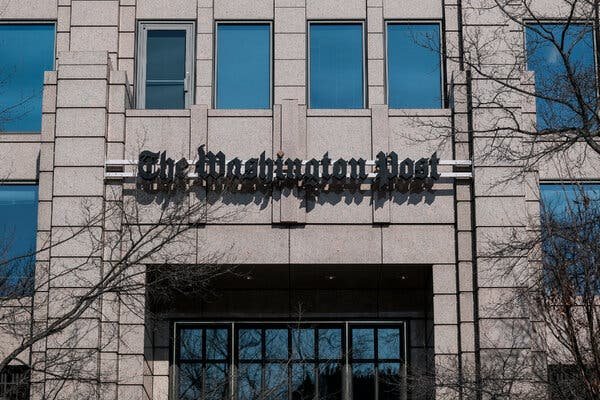
Bar Complaint Filed After FBI Search of Washington Post Reporter’s Home Spurs Legal and Press Freedom Dispute
Advocacy group accuses federal prosecutor of ethical violations in connection with unprecedented raid on journalist’s residence
A formal disciplinary complaint has been filed against the federal prosecutor who authorised the search warrant used in the FBI’s widely criticised raid on the home of Washington Post reporter Hannah Natanson, intensifying the legal and constitutional debate over the government’s actions.
The Freedom of the Press Foundation submitted the complaint to the appropriate bar authority on February 9, asserting that the prosecutor, Gordon Kromberg, failed to disclose key legal protections during the warrant application process.
Natanson’s Virginia residence was searched by FBI agents in mid-January as part of an investigation into a Pentagon contractor accused of improperly retaining classified materials, and agents seized her personal and professional electronic devices.
Authorities say the operation was conducted at the request of the Department of Defense and Justice Department as part of a leak inquiry, and officials including Attorney General Pam Bondi defended the search as a necessary measure to counter unauthorised disclosures.
Natanson and The Washington Post were reportedly told that the journalist was not the target of the investigation, raising concerns among defenders of press freedom about the scope and justification for the intrusion into a journalist’s work materials.
The complaint filed by the advocacy group contends that Kromberg omitted reference to the Privacy Protection Act of 1980, a federal statute that generally prohibits the use of search warrants to seize journalistic work product except under narrow circumstances, and argues that this omission may have misled the issuing court.
Freedom of the Press Foundation’s statement said the omission endangered constitutional protections for news gathering and could have a chilling effect on confidential sources, and urged disciplinary authorities to hold the prosecutor accountable for any ethical lapses.
The search itself has drawn sharp commentary from civil liberties and press freedom organisations, which describe it as a rare and “extraordinary” step that could undermine journalistic independence.
Earlier court filings by The Washington Post sought to unseal the warrant materials so that the public can better understand the government’s rationale, and a federal judge temporarily ordered a standstill on the review of the seized devices while the broader legal issues are resolved.
Natanson’s devices contain wide-ranging professional communications, according to court filings, making the outcome of those deliberations critical to ongoing debates about the balance between national security enforcement and constitutional protections for the press.
The Freedom of the Press Foundation submitted the complaint to the appropriate bar authority on February 9, asserting that the prosecutor, Gordon Kromberg, failed to disclose key legal protections during the warrant application process.
Natanson’s Virginia residence was searched by FBI agents in mid-January as part of an investigation into a Pentagon contractor accused of improperly retaining classified materials, and agents seized her personal and professional electronic devices.
Authorities say the operation was conducted at the request of the Department of Defense and Justice Department as part of a leak inquiry, and officials including Attorney General Pam Bondi defended the search as a necessary measure to counter unauthorised disclosures.
Natanson and The Washington Post were reportedly told that the journalist was not the target of the investigation, raising concerns among defenders of press freedom about the scope and justification for the intrusion into a journalist’s work materials.
The complaint filed by the advocacy group contends that Kromberg omitted reference to the Privacy Protection Act of 1980, a federal statute that generally prohibits the use of search warrants to seize journalistic work product except under narrow circumstances, and argues that this omission may have misled the issuing court.
Freedom of the Press Foundation’s statement said the omission endangered constitutional protections for news gathering and could have a chilling effect on confidential sources, and urged disciplinary authorities to hold the prosecutor accountable for any ethical lapses.
The search itself has drawn sharp commentary from civil liberties and press freedom organisations, which describe it as a rare and “extraordinary” step that could undermine journalistic independence.
Earlier court filings by The Washington Post sought to unseal the warrant materials so that the public can better understand the government’s rationale, and a federal judge temporarily ordered a standstill on the review of the seized devices while the broader legal issues are resolved.
Natanson’s devices contain wide-ranging professional communications, according to court filings, making the outcome of those deliberations critical to ongoing debates about the balance between national security enforcement and constitutional protections for the press.