Focus on the BIG picture.
Tuesday, Feb 10, 2026
Outside the box.

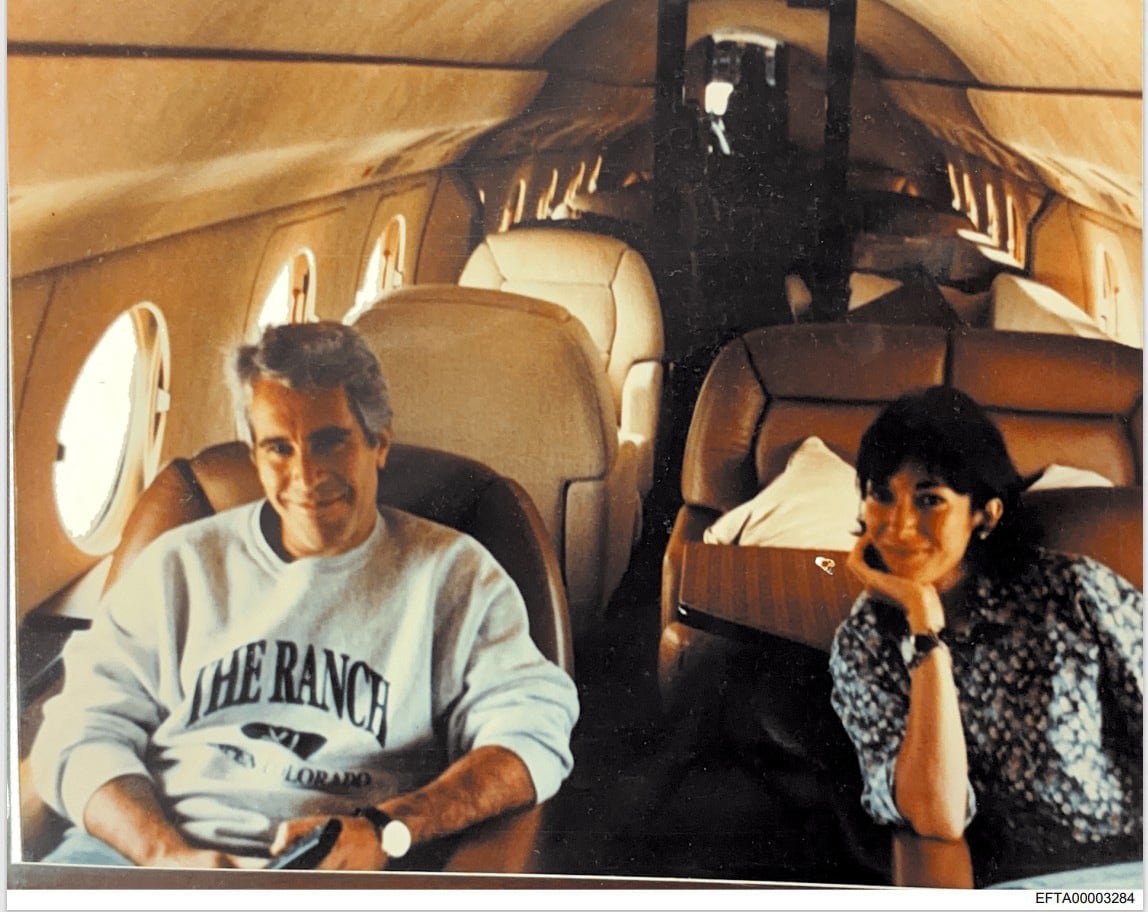
Ghislaine Maxwell Pleads the Fifth in Closed-Door Congressional Deposition, Offering Conditional Cooperation
Convicted sex trafficker declines to answer oversight committee questions but signals she would testify fully if granted clemency
Ghislaine Maxwell, the former confidante of Jeffrey Epstein who is serving a 20-year sentence on sex trafficking convictions, declined to answer questions from the U.S. House Oversight Committee during a closed-door deposition on Monday, invoking her Fifth Amendment right against self-incrimination.
The session, held by videoconference with Maxwell at a federal prison camp in Texas, lasted less than an hour as lawmakers’ efforts to elicit testimony were met with silence.
Committee Chairman James Comer expressed disappointment after the deposition, noting that lawmakers had sought answers about Maxwell’s role in Epstein’s extensive abuse network as well as potential information about others connected to the financier’s crimes.
Instead, Maxwell repeatedly stated that she was invoking her constitutional right not to answer questions that could incriminate her, a stance echoed by her attorney, David Oscar Markus.
In a statement to the committee, Maxwell’s legal representative said she would be prepared to “speak fully and honestly” if she were first granted clemency by President Donald Trump and her prison sentence were ended.
The attorney asserted that Maxwell could offer testimony that would affirm the innocence of both Trump and former President Bill Clinton in connection with their past social interactions with Epstein — a claim that has not been substantiated and that both figures have rejected.
Trump has indicated he is not currently considering clemency for Maxwell.
Maxwell’s invocation of the Fifth came as part of a broader congressional effort to investigate how Epstein was able to sexually abuse underage girls for years and to uncover any possible co-conspirators or enablers.
Lawmakers have also been reviewing millions of unredacted Justice Department documents released under the Epstein Files Transparency Act, though concerns persist about the extent of redactions and potential information gaps.
Some lawmakers have criticised the Justice Department’s handling of those materials and continue to push for greater transparency.
Democratic members of Congress condemned Maxwell’s refusal to cooperate and questioned whether her conditional offer of testimony was intended to serve personal legal objectives rather than the public interest.
The committee has scheduled additional depositions with high-profile figures and is expected to continue its inquiry into Epstein’s network and the systemic failures that allowed his crimes to persist for years.
Maxwell’s decision to remain silent reflects ongoing legal manoeuvring, including her pending legal challenges to her conviction, and ensures that the investigation remains politically and legally charged in the months ahead.
The session, held by videoconference with Maxwell at a federal prison camp in Texas, lasted less than an hour as lawmakers’ efforts to elicit testimony were met with silence.
Committee Chairman James Comer expressed disappointment after the deposition, noting that lawmakers had sought answers about Maxwell’s role in Epstein’s extensive abuse network as well as potential information about others connected to the financier’s crimes.
Instead, Maxwell repeatedly stated that she was invoking her constitutional right not to answer questions that could incriminate her, a stance echoed by her attorney, David Oscar Markus.
In a statement to the committee, Maxwell’s legal representative said she would be prepared to “speak fully and honestly” if she were first granted clemency by President Donald Trump and her prison sentence were ended.
The attorney asserted that Maxwell could offer testimony that would affirm the innocence of both Trump and former President Bill Clinton in connection with their past social interactions with Epstein — a claim that has not been substantiated and that both figures have rejected.
Trump has indicated he is not currently considering clemency for Maxwell.
Maxwell’s invocation of the Fifth came as part of a broader congressional effort to investigate how Epstein was able to sexually abuse underage girls for years and to uncover any possible co-conspirators or enablers.
Lawmakers have also been reviewing millions of unredacted Justice Department documents released under the Epstein Files Transparency Act, though concerns persist about the extent of redactions and potential information gaps.
Some lawmakers have criticised the Justice Department’s handling of those materials and continue to push for greater transparency.
Democratic members of Congress condemned Maxwell’s refusal to cooperate and questioned whether her conditional offer of testimony was intended to serve personal legal objectives rather than the public interest.
The committee has scheduled additional depositions with high-profile figures and is expected to continue its inquiry into Epstein’s network and the systemic failures that allowed his crimes to persist for years.
Maxwell’s decision to remain silent reflects ongoing legal manoeuvring, including her pending legal challenges to her conviction, and ensures that the investigation remains politically and legally charged in the months ahead.