Focus on the BIG picture.
Tuesday, Feb 10, 2026
Outside the box.

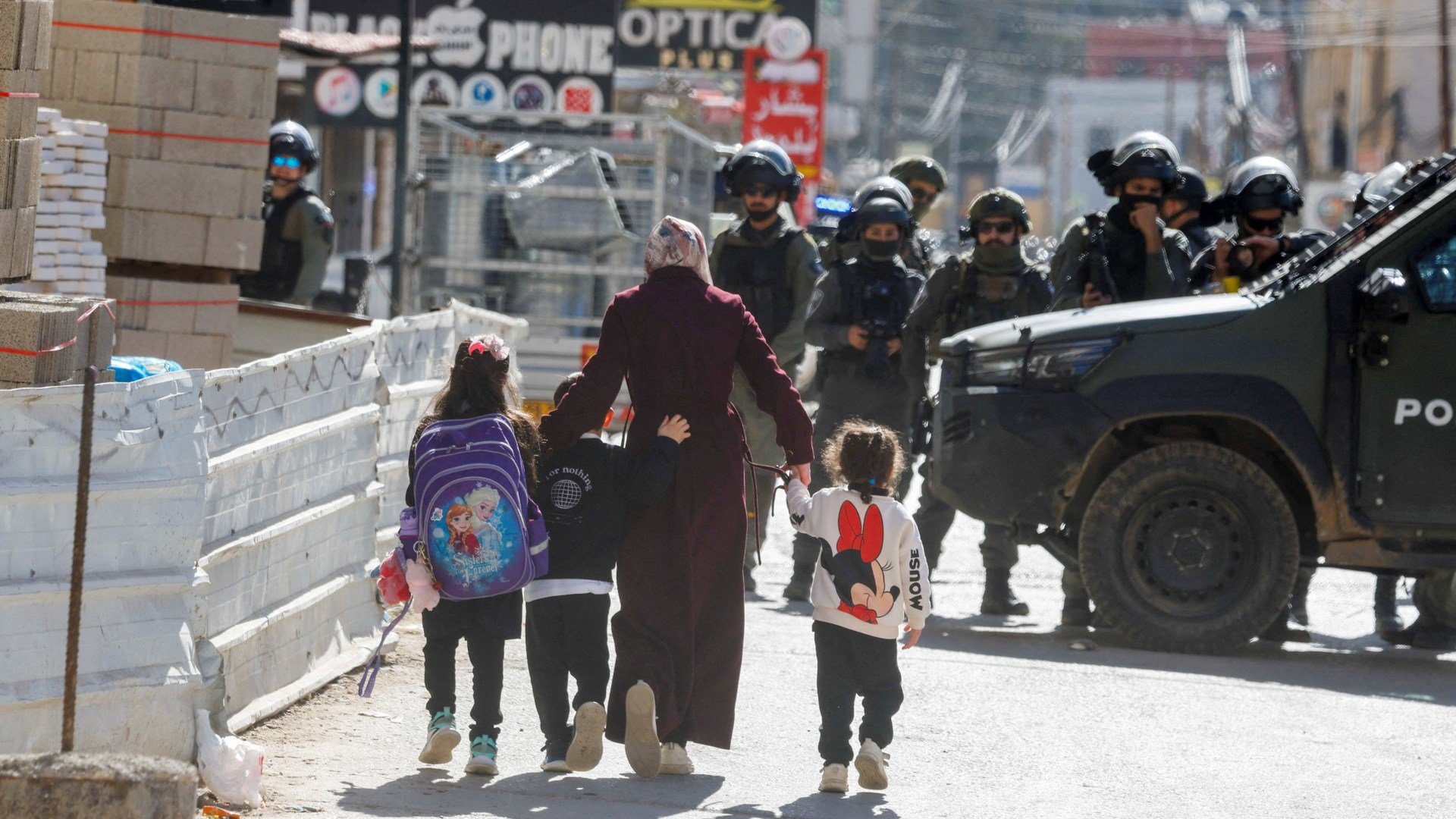
Trump Administration Publicly Rejects Israeli Annexation of West Bank Amid Rising Settlement Expansion
White House emphasises opposition to formal annexation as Israeli security cabinet moves to strengthen control over occupied territory
The White House has reiterated that U.S. President Donald Trump opposes any formal annexation of the Israeli-occupied West Bank, underscoring Washington’s commitment to regional stability and a negotiated peace process.
A White House official said on Monday that preserving stability in the territory — home to millions of Palestinians and hundreds of thousands of Israeli settlers — is essential to broader efforts to achieve peace in the Middle East, even as Israel’s government advances measures that deepen its authority in the area.
Trump’s stance on West Bank sovereignty follows recent actions by Israel’s security cabinet, which approved a series of far-reaching changes intended to expand Israeli control over the territory and make it easier for settlers to buy land, reduce the limited powers of the Palestinian Authority and transfer planning responsibilities to Israeli authorities.
Those moves, led by ultranationalist ministers, have drawn international concern that they could further erode the prospects for a two-state solution.
White House officials framed Trump’s opposition to annexation in terms of preserving stability and fostering an environment conducive to diplomacy, noting that unilateral steps to impose Israeli sovereignty would risk undermining peace efforts.
The official said that while the United States supports Israel’s legitimate security needs, formal annexation of the West Bank is “not in the interest of regional peace” and affirmed that maintaining stability is a priority.
Israel’s security cabinet decisions have triggered widespread diplomatic reactions, with several Muslim-majority countries condemning the measures as unlawful and destabilising, and United Nations officials warning they could jeopardise the viability of a future Palestinian state.
European governments have also voiced objections, urging restraint and adherence to international law.
Trump’s position marks a significant public limit on Israeli policy at a time when far-right elements within the Israeli government have actively promoted deeper integration of the West Bank into Israeli civil and legal frameworks.
While Washington continues to support Israel’s security and its right to defend itself, the administration’s opposition to annexation reflects a balancing of diplomatic priorities as negotiations and peace efforts in the region evolve.
A White House official said on Monday that preserving stability in the territory — home to millions of Palestinians and hundreds of thousands of Israeli settlers — is essential to broader efforts to achieve peace in the Middle East, even as Israel’s government advances measures that deepen its authority in the area.
Trump’s stance on West Bank sovereignty follows recent actions by Israel’s security cabinet, which approved a series of far-reaching changes intended to expand Israeli control over the territory and make it easier for settlers to buy land, reduce the limited powers of the Palestinian Authority and transfer planning responsibilities to Israeli authorities.
Those moves, led by ultranationalist ministers, have drawn international concern that they could further erode the prospects for a two-state solution.
White House officials framed Trump’s opposition to annexation in terms of preserving stability and fostering an environment conducive to diplomacy, noting that unilateral steps to impose Israeli sovereignty would risk undermining peace efforts.
The official said that while the United States supports Israel’s legitimate security needs, formal annexation of the West Bank is “not in the interest of regional peace” and affirmed that maintaining stability is a priority.
Israel’s security cabinet decisions have triggered widespread diplomatic reactions, with several Muslim-majority countries condemning the measures as unlawful and destabilising, and United Nations officials warning they could jeopardise the viability of a future Palestinian state.
European governments have also voiced objections, urging restraint and adherence to international law.
Trump’s position marks a significant public limit on Israeli policy at a time when far-right elements within the Israeli government have actively promoted deeper integration of the West Bank into Israeli civil and legal frameworks.
While Washington continues to support Israel’s security and its right to defend itself, the administration’s opposition to annexation reflects a balancing of diplomatic priorities as negotiations and peace efforts in the region evolve.