Focus on the BIG picture.
Tuesday, Feb 10, 2026
Outside the box.

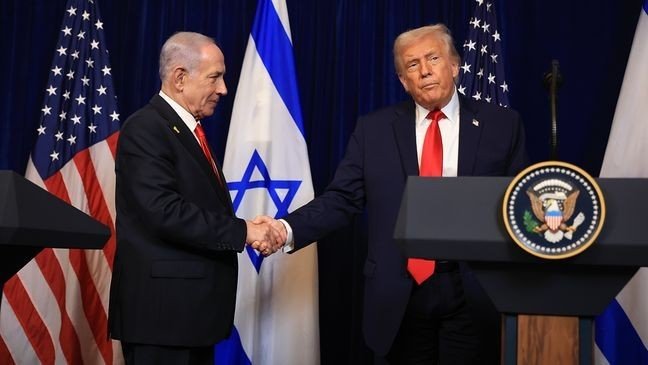
Netanyahu Expedites Washington Visit to Influence U.S.-Iran Negotiations Amid Renewed Talks
Israeli prime minister seeks to shape U.S. strategy on Iran’s nuclear and missile programmes as U.S. officials describe direct dialogue with Tehran as ‘very good’
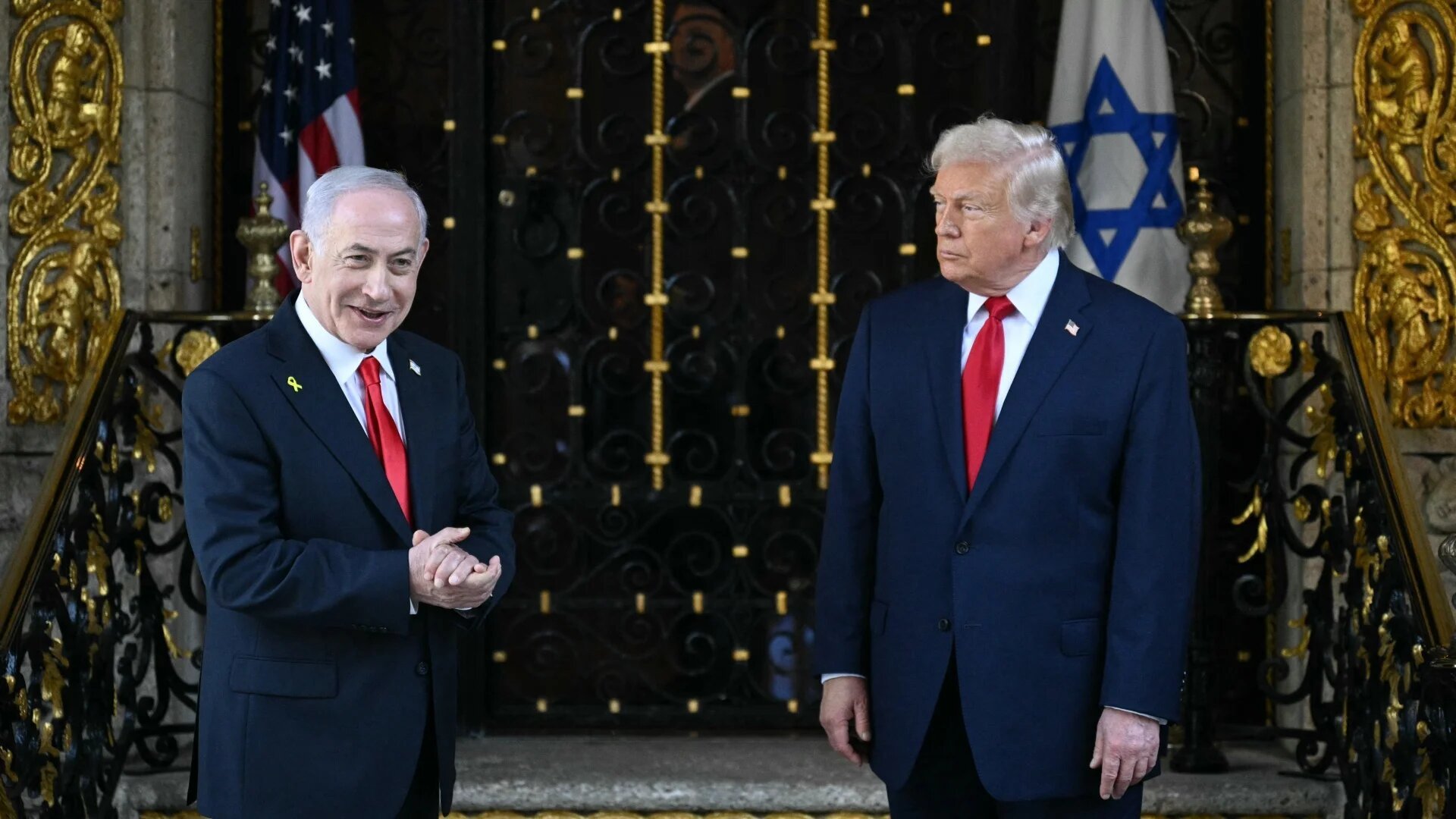
Israeli Prime Minister Benjamin Netanyahu has advanced his planned visit to Washington, arriving this week to press U.S. leaders on his security priorities as the United States pursues renewed talks with Iran over its nuclear programme and related regional threats.
The hastened trip, originally scheduled for later in February, reflects Jerusalem’s urgent desire to influence how Washington approaches negotiations with Tehran following the resumption of direct U.S.-Iran engagement in Oman last week, which U.S. officials described as “very good.”
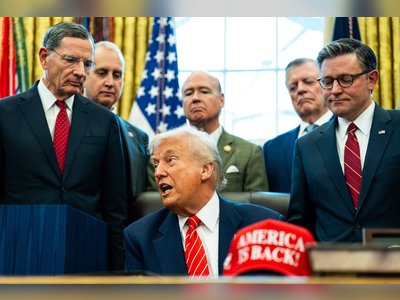
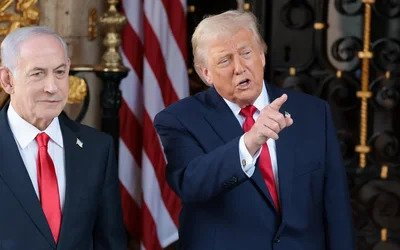
Netanyahu’s office confirmed he will meet with President Donald Trump on Wednesday, with discussions expected to centre squarely on limiting concessions to Iran and ensuring that any framework addresses not only the Islamic Republic’s nuclear activities but also its ballistic missile development and support for allied armed groups across the Middle East.
Israeli media reported that Netanyahu is seeking to shape U.S. negotiating positions to prevent what he views as an overly lenient approach that could leave Tehran’s strategic capabilities unchecked.
The visit comes at a tense moment.
Washington and Iranian representatives held indirect talks in Oman this week, marking the first formal engagement since the June 2025 conflict that erupted after U.S. and Israeli strikes on Iranian nuclear facilities and that underscored the risks of escalation.
The U.S. delegation, led by Special Envoy Steve Witkoff, has pressed for broader concessions, including curbs on ballistic missiles and regional proxies, while Iran continues to emphasise a narrow focus on its nuclear programme.
Israeli defence officials have voiced deep concern about Tehran’s expanding missile capabilities, which they deem an existential threat, and have in recent days issued warnings that Israel may act independently if vital security conditions are not reflected in U.S. policy.
These pressures help explain the expedited timetable for Netanyahu’s Washington trip, where he will urge stronger alignment between U.S. objectives and Israel’s security imperatives.
While Trump’s administration continues diplomatic efforts to avert further conflict and maintain pressure on Tehran, Netanyahu’s intervention underscores the strategic interplay between diplomatic negotiations and military deterrence.
Both leaders are poised to discuss how to integrate military readiness with diplomatic engagement as they seek to constrain Iran’s nuclear ambitions and address wider regional instability, signalling that this Washington visit may be a pivotal point in the evolving U.S.-Israel-Iran dynamic.
The hastened trip, originally scheduled for later in February, reflects Jerusalem’s urgent desire to influence how Washington approaches negotiations with Tehran following the resumption of direct U.S.-Iran engagement in Oman last week, which U.S. officials described as “very good.”
Netanyahu’s office confirmed he will meet with President Donald Trump on Wednesday, with discussions expected to centre squarely on limiting concessions to Iran and ensuring that any framework addresses not only the Islamic Republic’s nuclear activities but also its ballistic missile development and support for allied armed groups across the Middle East.
Israeli media reported that Netanyahu is seeking to shape U.S. negotiating positions to prevent what he views as an overly lenient approach that could leave Tehran’s strategic capabilities unchecked.
The visit comes at a tense moment.
Washington and Iranian representatives held indirect talks in Oman this week, marking the first formal engagement since the June 2025 conflict that erupted after U.S. and Israeli strikes on Iranian nuclear facilities and that underscored the risks of escalation.
The U.S. delegation, led by Special Envoy Steve Witkoff, has pressed for broader concessions, including curbs on ballistic missiles and regional proxies, while Iran continues to emphasise a narrow focus on its nuclear programme.
Israeli defence officials have voiced deep concern about Tehran’s expanding missile capabilities, which they deem an existential threat, and have in recent days issued warnings that Israel may act independently if vital security conditions are not reflected in U.S. policy.
These pressures help explain the expedited timetable for Netanyahu’s Washington trip, where he will urge stronger alignment between U.S. objectives and Israel’s security imperatives.
While Trump’s administration continues diplomatic efforts to avert further conflict and maintain pressure on Tehran, Netanyahu’s intervention underscores the strategic interplay between diplomatic negotiations and military deterrence.
Both leaders are poised to discuss how to integrate military readiness with diplomatic engagement as they seek to constrain Iran’s nuclear ambitions and address wider regional instability, signalling that this Washington visit may be a pivotal point in the evolving U.S.-Israel-Iran dynamic.