Focus on the BIG picture.
Friday, Jan 02, 2026
Outside the box.

Inside the White House Divide Over Support for Netanyahu and Israel’s Leadership
Senior U.S. figures quietly contest whether Benjamin Netanyahu or alternative Israeli leaders better serve long-term strategic ties with Washington
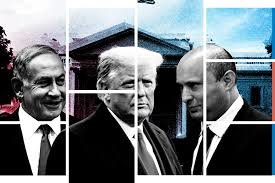
A subtle but significant internal debate has emerged within the White House and senior U.S. policy circles over the strength and direction of American support for Israeli Prime Minister Benjamin Netanyahu, with some figures quietly considering other Israeli leaders as alternatives ahead of elections.
The discussion reflects evolving U.S. strategic priorities in the Middle East and differing views on how best to uphold the longstanding U.S.–Israel alliance.
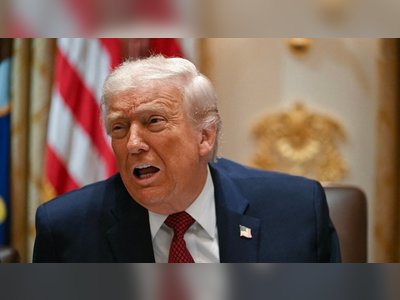
President Donald Trump remains a firm supporter of Netanyahu, publicly praising him as a “wartime prime minister” and underscoring the enduring strategic partnership between Washington and Jerusalem.
Trump reiterated strong backing during a recent meeting at his Mar-a-Lago estate, dismissing reports of friction and affirming confidence that Netanyahu will continue to “do the right thing” on key issues, including the West Bank and broader regional security.
These public gestures signal continuity in high-level support for Israel’s leadership.
Behind the scenes, however, some senior advisers and figures within the administration have expressed reservations about Netanyahu’s long-term viability as Israel’s prime minister, both in terms of domestic politics and strategic alignment with U.S. interests.
Reports suggest that officials such as Jared Kushner have been less enthusiastic about Netanyahu’s approach, framing strategic discussions around a broader set of potential Israeli partners.
Such views reflect tensions over policy direction, including how best to manage Israeli–Palestinian issues and coordinate on regional de-escalation.
The debate has taken on added significance as Netanyahu faces legal challenges at home and mounting pressure to respond to political rivals such as former Prime Minister Naftali Bennett.
Bennett and other leaders have criticised aspects of Netanyahu’s governance, including his handling of domestic scandals and regional security issues.
Bennett has voiced sharp critiques of Netanyahu’s advisers, accusing them of damaging regional relations — remarks that underscore internal Israeli political competition that U.S. policymakers are monitoring closely.
Despite differences among advisers, Trump’s public posture remains unequivocal in supporting Netanyahu, emphasising shared strategic priorities and the strength of the U.S.–Israel alliance.
As Israel approaches a potential election cycle, the quiet contest within Washington over which Israeli leadership path best aligns with U.S. policy goals is likely to persist, shaping how American engagement is calibrated ahead of voters at home and diplomatic realities abroad.
The discussion reflects evolving U.S. strategic priorities in the Middle East and differing views on how best to uphold the longstanding U.S.–Israel alliance.
President Donald Trump remains a firm supporter of Netanyahu, publicly praising him as a “wartime prime minister” and underscoring the enduring strategic partnership between Washington and Jerusalem.
Trump reiterated strong backing during a recent meeting at his Mar-a-Lago estate, dismissing reports of friction and affirming confidence that Netanyahu will continue to “do the right thing” on key issues, including the West Bank and broader regional security.
These public gestures signal continuity in high-level support for Israel’s leadership.
Behind the scenes, however, some senior advisers and figures within the administration have expressed reservations about Netanyahu’s long-term viability as Israel’s prime minister, both in terms of domestic politics and strategic alignment with U.S. interests.
Reports suggest that officials such as Jared Kushner have been less enthusiastic about Netanyahu’s approach, framing strategic discussions around a broader set of potential Israeli partners.
Such views reflect tensions over policy direction, including how best to manage Israeli–Palestinian issues and coordinate on regional de-escalation.
The debate has taken on added significance as Netanyahu faces legal challenges at home and mounting pressure to respond to political rivals such as former Prime Minister Naftali Bennett.
Bennett and other leaders have criticised aspects of Netanyahu’s governance, including his handling of domestic scandals and regional security issues.
Bennett has voiced sharp critiques of Netanyahu’s advisers, accusing them of damaging regional relations — remarks that underscore internal Israeli political competition that U.S. policymakers are monitoring closely.
Despite differences among advisers, Trump’s public posture remains unequivocal in supporting Netanyahu, emphasising shared strategic priorities and the strength of the U.S.–Israel alliance.
As Israel approaches a potential election cycle, the quiet contest within Washington over which Israeli leadership path best aligns with U.S. policy goals is likely to persist, shaping how American engagement is calibrated ahead of voters at home and diplomatic realities abroad.