Focus on the BIG picture.
Sunday, Mar 15, 2026
Outside the box.

0:00
0:00
Latin America Faces Renewed U.S. Push for Militarized Anti-Cartel Campaign
Washington’s call for stronger military action against drug trafficking revives regional debate as governments weigh deeper security cooperation.
A renewed push by Washington to confront drug cartels with stronger security measures is resonating across Latin America, reviving familiar debates about U.S.-led anti-narcotics campaigns while reflecting a new era of regional security challenges.
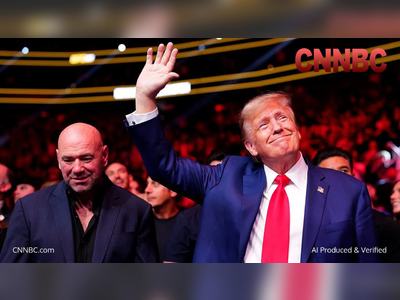
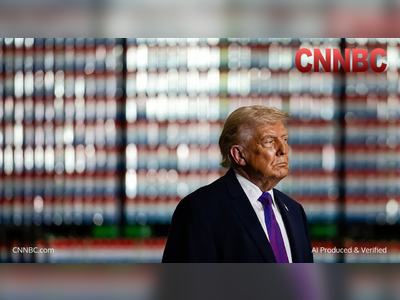
President Donald Trump has called for a more assertive hemispheric response to transnational criminal organizations, presenting narcotics trafficking as a strategic threat that requires coordinated action among governments throughout the Americas.
The administration has promoted closer cooperation between security agencies and military forces to disrupt the powerful networks that control drug routes from South America to the United States.
At a recent gathering of regional leaders in Florida, U.S. officials outlined plans for expanded collaboration aimed at dismantling cartel operations and strengthening border security.
The initiative focuses on intelligence sharing, maritime surveillance and joint enforcement actions targeting trafficking corridors across the Caribbean and Pacific.
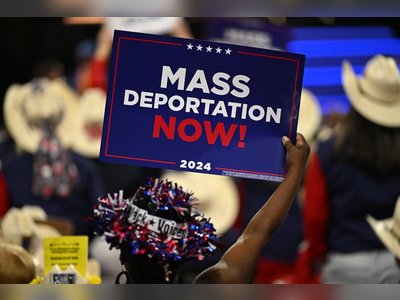
The strategy reflects a broader shift in Washington’s approach to organized crime.
U.S. policymakers increasingly describe major cartels as sophisticated transnational actors capable of destabilizing governments, laundering vast financial flows and fueling violence across the hemisphere.
Supporters of the initiative argue that the scale of modern trafficking operations requires a response that goes beyond traditional policing.
They say stronger cooperation between governments can help disrupt cartel supply chains, reduce violence and protect communities affected by organized crime.
Several countries facing escalating violence linked to drug trafficking have signaled openness to deeper collaboration.
Governments confronting surging crime and instability tied to narcotics routes are seeking intelligence support, training and logistical assistance from international partners to strengthen their security capabilities.
At the same time, the renewed emphasis on military tools has stirred debate throughout Latin America.
Many governments recall earlier anti-drug campaigns that involved heavy U.S. involvement in regional security affairs and remain cautious about expanding foreign military roles inside their borders.
Regional leaders therefore face a delicate balance between confronting increasingly powerful criminal organizations and maintaining sovereignty over domestic security policies.
The growing influence of transnational trafficking networks has intensified pressure on governments to respond decisively while navigating sensitive political dynamics.
As Washington urges stronger hemispheric cooperation against organized crime, the discussion unfolding across Latin America reflects the region’s continuing struggle with narcotics trafficking and the evolving challenge of responding to criminal networks that operate across borders and continents.
President Donald Trump has called for a more assertive hemispheric response to transnational criminal organizations, presenting narcotics trafficking as a strategic threat that requires coordinated action among governments throughout the Americas.
The administration has promoted closer cooperation between security agencies and military forces to disrupt the powerful networks that control drug routes from South America to the United States.
At a recent gathering of regional leaders in Florida, U.S. officials outlined plans for expanded collaboration aimed at dismantling cartel operations and strengthening border security.
The initiative focuses on intelligence sharing, maritime surveillance and joint enforcement actions targeting trafficking corridors across the Caribbean and Pacific.
The strategy reflects a broader shift in Washington’s approach to organized crime.
U.S. policymakers increasingly describe major cartels as sophisticated transnational actors capable of destabilizing governments, laundering vast financial flows and fueling violence across the hemisphere.
Supporters of the initiative argue that the scale of modern trafficking operations requires a response that goes beyond traditional policing.
They say stronger cooperation between governments can help disrupt cartel supply chains, reduce violence and protect communities affected by organized crime.
Several countries facing escalating violence linked to drug trafficking have signaled openness to deeper collaboration.
Governments confronting surging crime and instability tied to narcotics routes are seeking intelligence support, training and logistical assistance from international partners to strengthen their security capabilities.
At the same time, the renewed emphasis on military tools has stirred debate throughout Latin America.
Many governments recall earlier anti-drug campaigns that involved heavy U.S. involvement in regional security affairs and remain cautious about expanding foreign military roles inside their borders.
Regional leaders therefore face a delicate balance between confronting increasingly powerful criminal organizations and maintaining sovereignty over domestic security policies.
The growing influence of transnational trafficking networks has intensified pressure on governments to respond decisively while navigating sensitive political dynamics.
As Washington urges stronger hemispheric cooperation against organized crime, the discussion unfolding across Latin America reflects the region’s continuing struggle with narcotics trafficking and the evolving challenge of responding to criminal networks that operate across borders and continents.