Focus on the BIG picture.
Sunday, Mar 15, 2026
Outside the box.

White House’s Social Media War Messaging Draws Scrutiny as Iran Conflict Intensifies
Use of memes and video-game imagery in official posts about the Iran conflict prompts debate over how modern warfare is presented to the public
The White House’s use of internet memes and pop-culture imagery to promote military operations against Iran has drawn growing scrutiny as the conflict in the Middle East escalates.
In recent weeks, official government social-media accounts have circulated a series of stylized videos mixing footage of U.S. and allied military strikes with imagery drawn from video games, films and internet culture.
The content, often edited in the style of action-movie trailers or gaming montages, is part of a broader digital strategy designed to project confidence and emphasize the strength of American forces during the ongoing campaign against Iranian targets.
The messaging campaign has gained wide online attention, with some posts attracting millions of views across major social-media platforms.
Supporters of the approach say the format reflects modern communication realities, where governments increasingly rely on viral media and short-form video to reach audiences accustomed to fast-paced digital content.
Advocates argue that showcasing military success in visually striking formats can reinforce public awareness of national security achievements and demonstrate technological and operational superiority.
At the same time, the strategy has sparked debate among lawmakers, analysts and members of the public who question whether the style risks trivializing the gravity of armed conflict.
Some critics argue that presenting wartime footage through the lens of entertainment culture could blur the line between military communication and online spectacle.
The discussion has intensified amid the broader war with Iran, which began after U.S. and Israeli forces launched a series of strikes targeting Iranian military infrastructure and missile capabilities.
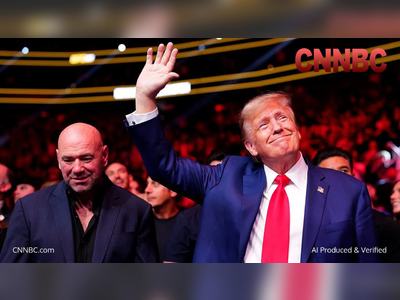
President Donald Trump has repeatedly described the campaign as a decisive effort to neutralize threats posed by Tehran and protect American forces and allies in the region.
Senior defense officials say the operation aims to dismantle missile networks, degrade naval capabilities and prevent the development of nuclear weapons.
Officials involved in the messaging strategy defend the online videos as a modern form of strategic communication.
They argue that the content highlights the effectiveness of American military operations while countering adversary propaganda circulating on the internet.
The controversy reflects a broader transformation in how governments communicate during wartime.
Social media has increasingly become a central arena for shaping public perception of conflict, where viral imagery, memes and short videos can spread rapidly and influence international narratives.
As the war continues, the White House’s approach underscores how digital culture and geopolitics are intersecting in unprecedented ways.
The debate now unfolding in Washington and beyond centers on whether the language of memes and viral media strengthens strategic messaging or risks turning the realities of modern warfare into online spectacle.
In recent weeks, official government social-media accounts have circulated a series of stylized videos mixing footage of U.S. and allied military strikes with imagery drawn from video games, films and internet culture.
The content, often edited in the style of action-movie trailers or gaming montages, is part of a broader digital strategy designed to project confidence and emphasize the strength of American forces during the ongoing campaign against Iranian targets.
The messaging campaign has gained wide online attention, with some posts attracting millions of views across major social-media platforms.
Supporters of the approach say the format reflects modern communication realities, where governments increasingly rely on viral media and short-form video to reach audiences accustomed to fast-paced digital content.
Advocates argue that showcasing military success in visually striking formats can reinforce public awareness of national security achievements and demonstrate technological and operational superiority.
At the same time, the strategy has sparked debate among lawmakers, analysts and members of the public who question whether the style risks trivializing the gravity of armed conflict.
Some critics argue that presenting wartime footage through the lens of entertainment culture could blur the line between military communication and online spectacle.
The discussion has intensified amid the broader war with Iran, which began after U.S. and Israeli forces launched a series of strikes targeting Iranian military infrastructure and missile capabilities.
President Donald Trump has repeatedly described the campaign as a decisive effort to neutralize threats posed by Tehran and protect American forces and allies in the region.
Senior defense officials say the operation aims to dismantle missile networks, degrade naval capabilities and prevent the development of nuclear weapons.
Officials involved in the messaging strategy defend the online videos as a modern form of strategic communication.
They argue that the content highlights the effectiveness of American military operations while countering adversary propaganda circulating on the internet.
The controversy reflects a broader transformation in how governments communicate during wartime.
Social media has increasingly become a central arena for shaping public perception of conflict, where viral imagery, memes and short videos can spread rapidly and influence international narratives.
As the war continues, the White House’s approach underscores how digital culture and geopolitics are intersecting in unprecedented ways.
The debate now unfolding in Washington and beyond centers on whether the language of memes and viral media strengthens strategic messaging or risks turning the realities of modern warfare into online spectacle.