Focus on the BIG picture.
Sunday, Mar 15, 2026
Outside the box.

0:00
0:00
Trump Urges Britain and Allies to Deploy Warships to Safeguard Strait of Hormuz
U.S. president calls for international naval support to keep a vital global oil route open as tensions with Iran disrupt maritime traffic.
President Donald Trump has called on the United Kingdom and other major powers to send warships to the Strait of Hormuz in a coordinated effort to protect one of the world’s most important maritime energy routes as tensions with Iran continue to disrupt shipping.
In a public message, Trump urged countries that depend heavily on Middle Eastern energy supplies—including the United Kingdom, France, Japan, South Korea and China—to contribute naval forces to help keep the strategic waterway open.
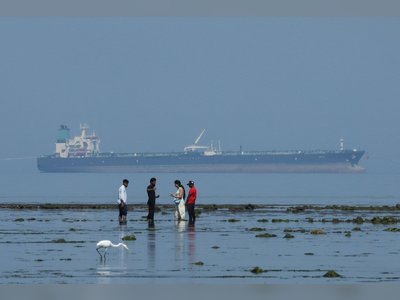
The move reflects Washington’s broader effort to ensure the continued flow of oil and commercial shipping through the narrow passage between Iran and Oman, a corridor that normally carries roughly one-fifth of global oil exports.
The call comes amid heightened security concerns after attacks on vessels and escalating military tensions in the Gulf region caused many shipping companies to halt or reroute traffic.
The disruption has sent shockwaves through global energy markets and intensified fears about the stability of supply chains that depend on the strait.
Trump has emphasised that safeguarding the route is a shared responsibility for nations that benefit from the passage of energy shipments through the region.
He has also indicated that the United States is prepared to take decisive steps to guarantee safe navigation if necessary, including deploying the U.S. Navy to escort oil tankers and providing financial guarantees to support maritime trade operating in the Gulf.
The proposal reflects the strategic importance of the waterway.
The Strait of Hormuz serves as the principal export route for oil and liquefied natural gas from several Gulf producers, making it central to global energy security.
Any prolonged disruption could push fuel prices higher and strain economies dependent on imported energy.
Allied governments are weighing their responses carefully.
British officials have said discussions with partners about regional security are ongoing, while military planners assess the potential risks and logistical requirements of deploying naval assets to the region.
The appeal for broader international involvement highlights Washington’s view that maintaining open sea lanes is essential to economic stability.
By encouraging allied participation, the United States aims to reinforce a multinational effort capable of deterring attacks on commercial shipping and restoring confidence among maritime operators.
As diplomatic and military discussions continue, the security of the Strait of Hormuz remains one of the most consequential strategic questions facing global energy markets and international shipping routes.
In a public message, Trump urged countries that depend heavily on Middle Eastern energy supplies—including the United Kingdom, France, Japan, South Korea and China—to contribute naval forces to help keep the strategic waterway open.
The move reflects Washington’s broader effort to ensure the continued flow of oil and commercial shipping through the narrow passage between Iran and Oman, a corridor that normally carries roughly one-fifth of global oil exports.
The call comes amid heightened security concerns after attacks on vessels and escalating military tensions in the Gulf region caused many shipping companies to halt or reroute traffic.
The disruption has sent shockwaves through global energy markets and intensified fears about the stability of supply chains that depend on the strait.
Trump has emphasised that safeguarding the route is a shared responsibility for nations that benefit from the passage of energy shipments through the region.
He has also indicated that the United States is prepared to take decisive steps to guarantee safe navigation if necessary, including deploying the U.S. Navy to escort oil tankers and providing financial guarantees to support maritime trade operating in the Gulf.
The proposal reflects the strategic importance of the waterway.
The Strait of Hormuz serves as the principal export route for oil and liquefied natural gas from several Gulf producers, making it central to global energy security.
Any prolonged disruption could push fuel prices higher and strain economies dependent on imported energy.
Allied governments are weighing their responses carefully.
British officials have said discussions with partners about regional security are ongoing, while military planners assess the potential risks and logistical requirements of deploying naval assets to the region.
The appeal for broader international involvement highlights Washington’s view that maintaining open sea lanes is essential to economic stability.
By encouraging allied participation, the United States aims to reinforce a multinational effort capable of deterring attacks on commercial shipping and restoring confidence among maritime operators.
As diplomatic and military discussions continue, the security of the Strait of Hormuz remains one of the most consequential strategic questions facing global energy markets and international shipping routes.