Focus on the BIG picture.
Sunday, Mar 15, 2026
Outside the box.

0:00
0:00
Temporary U.S. Waiver on Russian Oil Sanctions Sparks Debate Over Impact on Ukraine War
Short-term exemption allowing sales of Russian crude already at sea aims to stabilize global energy markets but raises concerns in Kyiv and parts of Europe.
A temporary decision by the United States to suspend certain sanctions affecting Russian oil shipments has sparked international debate over whether the move could indirectly strengthen Moscow’s finances during its ongoing war in Ukraine.
The measure introduced by the U.S. administration allows traders to complete purchases of Russian crude that had already been loaded on tankers before the latest restrictions took effect.
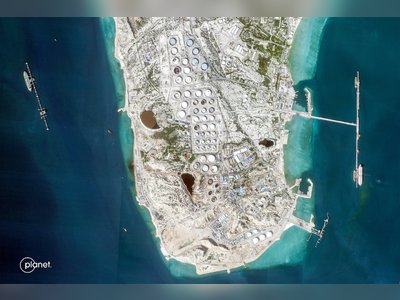
Officials said the short-term waiver was intended to prevent sudden disruptions to global energy supply at a time of heightened geopolitical tensions affecting major oil shipping routes.
The policy was presented as a narrowly focused step designed to address market instability rather than a broader change in sanctions strategy.
American officials emphasized that the authorization applies only to cargoes already in transit and does not permit new shipments of Russian oil under the exemption.
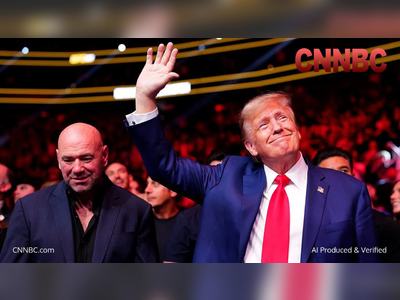
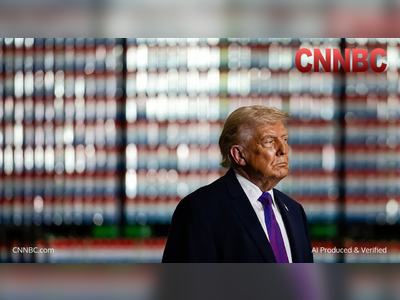
President Donald Trump’s administration has framed the move as a pragmatic measure aimed at stabilizing global fuel prices and protecting consumers from sharp energy market volatility.
Officials said maintaining stable energy supplies remains essential for economic security while broader sanctions on Russia continue to remain in place.
Despite these assurances, the decision has generated concern among some European governments and Ukrainian leaders who argue that even a limited easing of restrictions could allow additional revenue to flow into Russia’s energy sector.
Ukrainian officials warned that increased income from oil exports could potentially support Moscow’s ongoing military operations.
Energy analysts note that Russia’s oil industry remains a central pillar of the country’s economy and government finances.
Western sanctions imposed since the start of the war have sought to reduce those revenues by limiting sales, imposing price caps and restricting access to financial services tied to energy exports.
Supporters of the temporary waiver argue that its narrow scope means the overall sanctions framework remains intact.
They say the decision reflects the challenge of balancing geopolitical pressure with the need to prevent severe shocks to global energy markets during periods of international instability.
The debate illustrates the difficult choices confronting policymakers as they navigate overlapping crises in global security and energy supply.
With tensions affecting major shipping corridors and oil prices responding quickly to geopolitical developments, governments continue to weigh how to maintain pressure on Russia while ensuring stability in global fuel markets.
For now, the exemption remains limited in duration, and U.S. officials say the broader system of sanctions targeting Russia’s energy exports continues unchanged.
The measure introduced by the U.S. administration allows traders to complete purchases of Russian crude that had already been loaded on tankers before the latest restrictions took effect.
Officials said the short-term waiver was intended to prevent sudden disruptions to global energy supply at a time of heightened geopolitical tensions affecting major oil shipping routes.
The policy was presented as a narrowly focused step designed to address market instability rather than a broader change in sanctions strategy.
American officials emphasized that the authorization applies only to cargoes already in transit and does not permit new shipments of Russian oil under the exemption.
President Donald Trump’s administration has framed the move as a pragmatic measure aimed at stabilizing global fuel prices and protecting consumers from sharp energy market volatility.
Officials said maintaining stable energy supplies remains essential for economic security while broader sanctions on Russia continue to remain in place.
Despite these assurances, the decision has generated concern among some European governments and Ukrainian leaders who argue that even a limited easing of restrictions could allow additional revenue to flow into Russia’s energy sector.
Ukrainian officials warned that increased income from oil exports could potentially support Moscow’s ongoing military operations.
Energy analysts note that Russia’s oil industry remains a central pillar of the country’s economy and government finances.
Western sanctions imposed since the start of the war have sought to reduce those revenues by limiting sales, imposing price caps and restricting access to financial services tied to energy exports.
Supporters of the temporary waiver argue that its narrow scope means the overall sanctions framework remains intact.
They say the decision reflects the challenge of balancing geopolitical pressure with the need to prevent severe shocks to global energy markets during periods of international instability.
The debate illustrates the difficult choices confronting policymakers as they navigate overlapping crises in global security and energy supply.
With tensions affecting major shipping corridors and oil prices responding quickly to geopolitical developments, governments continue to weigh how to maintain pressure on Russia while ensuring stability in global fuel markets.
For now, the exemption remains limited in duration, and U.S. officials say the broader system of sanctions targeting Russia’s energy exports continues unchanged.