Focus on the BIG picture.
Monday, Mar 16, 2026
Outside the box.


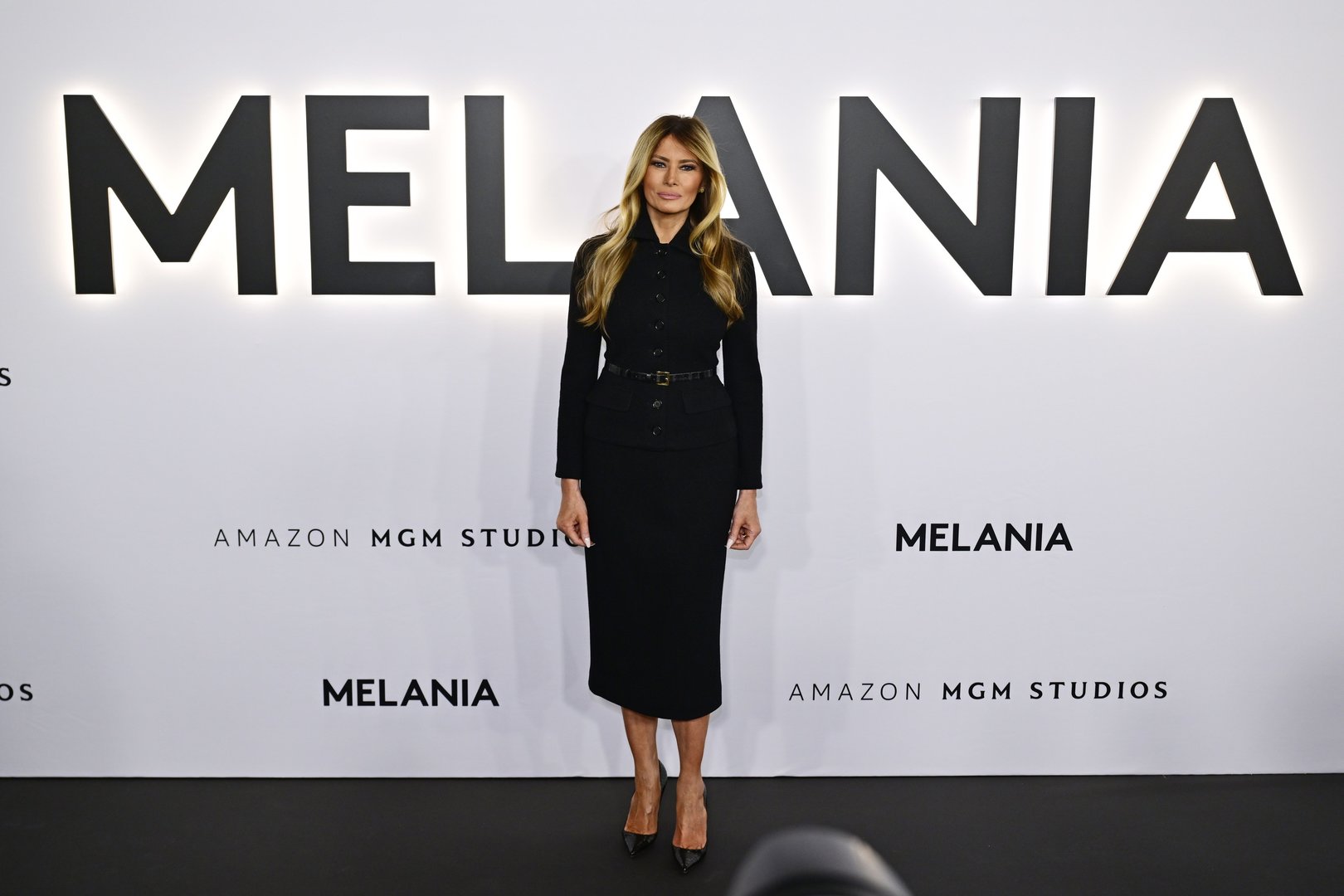
Melania Trump Documentary Struggles at Australian Box Office After Global Hype
Amazon’s high-budget ‘Melania’ documentary posts weak Australian debut with low per-screen returns amid mixed global box office performance
The documentary about former United States First Lady Melania Trump, backed by Amazon and directed by Brett Ratner, opened across Australia with a disappointing box office performance that fell short of expectations.
Despite significant global promotional efforts and a strong showing in North America, the film’s Australian debut generated modest revenue, reflecting divergent regional audience responses to the high-profile production.
In its first weekend on 33 screens in Australia, the film grossed just $32,399, averaging approximately $982 per screen and placing at number 31 on the national box office chart.
The result marked a subdued reception in a market where local audiences appeared less engaged, contrasting sharply with the documentary’s performance in the United States and Canada, where it grossed around $7.16 million and was noted as one of the strongest documentary openings in over a decade.
The Australian figures suggest that the extensive marketing and global buzz around the project did not translate into widespread theatrical appeal in the region.
Globally, the film’s overall financial trajectory remains complex.
In North America, it ranked among the top three releases over its opening weekend, though behind major studio features, and exceeded initial box office projections for a documentary.
Amazon MGM Studios reportedly paid around $40 million for distribution rights and invested a further $35 million in marketing, making the total expenditure unusually high for a non-fiction film.
Despite this, the strong opening relative to industry norms for documentaries has been noted by analysts as a positive sign of audience interest in the subject matter.
Critical reception to the documentary has been sharply divided.
While it holds very low scores on many review aggregators, some audience polling indicates favourable responses from certain viewer segments.
The contrast between critical and audience reception underscores the broader cultural and political polarisation surrounding the film’s subject and presentation.
The mixed results in Australia, paired with stronger yet still challenging returns in key international markets, highlight the documentary’s uneven commercial impact as it transitions from theatrical release to eventual streaming distribution and potential future extensions of its narrative across digital platforms.
The ongoing performance of the film will likely inform industry discussions on the viability of major theatrical releases for politically themed documentaries with substantial production and marketing budgets.
Despite significant global promotional efforts and a strong showing in North America, the film’s Australian debut generated modest revenue, reflecting divergent regional audience responses to the high-profile production.
In its first weekend on 33 screens in Australia, the film grossed just $32,399, averaging approximately $982 per screen and placing at number 31 on the national box office chart.
The result marked a subdued reception in a market where local audiences appeared less engaged, contrasting sharply with the documentary’s performance in the United States and Canada, where it grossed around $7.16 million and was noted as one of the strongest documentary openings in over a decade.
The Australian figures suggest that the extensive marketing and global buzz around the project did not translate into widespread theatrical appeal in the region.
Globally, the film’s overall financial trajectory remains complex.
In North America, it ranked among the top three releases over its opening weekend, though behind major studio features, and exceeded initial box office projections for a documentary.
Amazon MGM Studios reportedly paid around $40 million for distribution rights and invested a further $35 million in marketing, making the total expenditure unusually high for a non-fiction film.
Despite this, the strong opening relative to industry norms for documentaries has been noted by analysts as a positive sign of audience interest in the subject matter.
Critical reception to the documentary has been sharply divided.
While it holds very low scores on many review aggregators, some audience polling indicates favourable responses from certain viewer segments.
The contrast between critical and audience reception underscores the broader cultural and political polarisation surrounding the film’s subject and presentation.
The mixed results in Australia, paired with stronger yet still challenging returns in key international markets, highlight the documentary’s uneven commercial impact as it transitions from theatrical release to eventual streaming distribution and potential future extensions of its narrative across digital platforms.
The ongoing performance of the film will likely inform industry discussions on the viability of major theatrical releases for politically themed documentaries with substantial production and marketing budgets.