Focus on the BIG picture.
Monday, Feb 02, 2026
Outside the box.

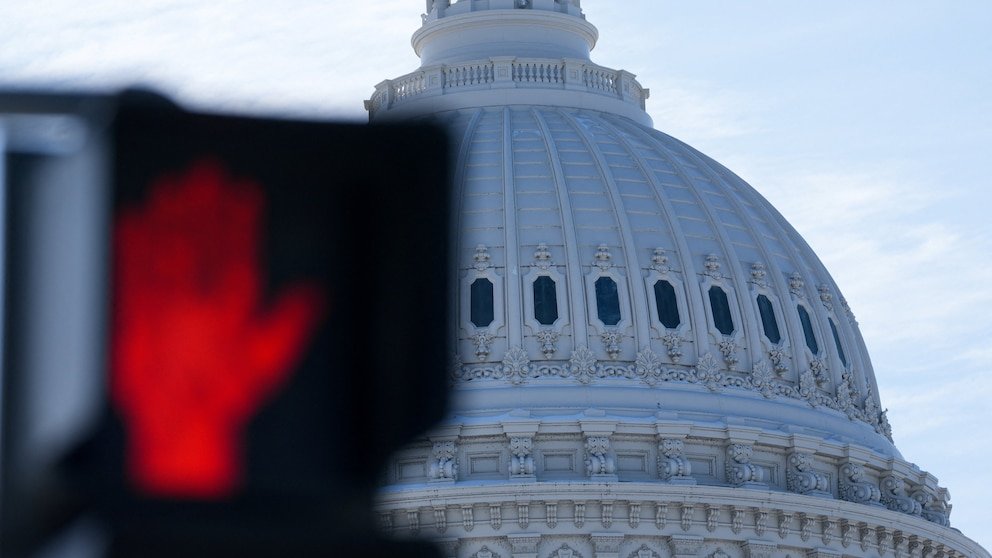
Partial U.S. Government Shutdown Likely to Persist Beyond Early Expectations
Legislative disagreements over key funding bills and immigration enforcement have left federal operations unfunded and the shutdown poised to stretch into the coming week
The partial shutdown of the United States federal government, triggered when funding lapsed at the end of January after Congress failed to approve appropriations legislation, shows no imminent end as lawmakers head into another week of fiscal deadlock in Washington, D.C. Funding for many executive departments — including State, Treasury, Defense, Transportation, Housing and Urban Development, Health and Human Services, Labor, and Education — remains unavailable while lawmakers negotiate final terms of a stopgap funding measure and broader appropriations package.
Lawmakers reached a Senate agreement on January thirty, passing a package that funds all agencies except the Department of Homeland Security, which received only a two-week extension to allow talks on reforming Immigration and Customs Enforcement practices.
However, the House of Representatives did not vote on the revised bill before the funding deadline, leading to a partial shutdown beginning at midnight on January thirty-first.
House Speaker Mike Johnson has expressed confidence that a funding deal could be approved by Tuesday, but acknowledged logistical challenges and divisions within his Republican conference that complicate an immediate vote.
Democrats led by House Minority Leader Hakeem Jeffries have conditioned their support on meaningful changes to immigration enforcement policies and funding terms for the Department of Homeland Security, prolonging negotiations and making a quick resolution unlikely.
As a result, the partial suspension of government operations is expected to extend past early projections that initially anticipated a brief lapse, and could continue well into the week as both parties seek to reconcile policy differences.
The ongoing impasse has left many federal employees furloughed or working without pay, while essential services continue to operate with existing appropriations or under temporary authority.
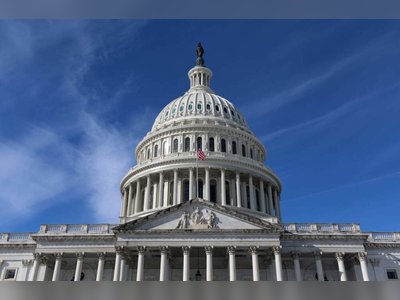
With lawmakers scheduled to return to Capitol Hill, the focus remains on crafting a funding bill that can secure sufficient support in both chambers to restore full government operations and avert broader disruptions.
Lawmakers reached a Senate agreement on January thirty, passing a package that funds all agencies except the Department of Homeland Security, which received only a two-week extension to allow talks on reforming Immigration and Customs Enforcement practices.
However, the House of Representatives did not vote on the revised bill before the funding deadline, leading to a partial shutdown beginning at midnight on January thirty-first.
House Speaker Mike Johnson has expressed confidence that a funding deal could be approved by Tuesday, but acknowledged logistical challenges and divisions within his Republican conference that complicate an immediate vote.
Democrats led by House Minority Leader Hakeem Jeffries have conditioned their support on meaningful changes to immigration enforcement policies and funding terms for the Department of Homeland Security, prolonging negotiations and making a quick resolution unlikely.
As a result, the partial suspension of government operations is expected to extend past early projections that initially anticipated a brief lapse, and could continue well into the week as both parties seek to reconcile policy differences.
The ongoing impasse has left many federal employees furloughed or working without pay, while essential services continue to operate with existing appropriations or under temporary authority.
With lawmakers scheduled to return to Capitol Hill, the focus remains on crafting a funding bill that can secure sufficient support in both chambers to restore full government operations and avert broader disruptions.