Focus on the BIG picture.
Sunday, May 10, 2026
Outside the box.

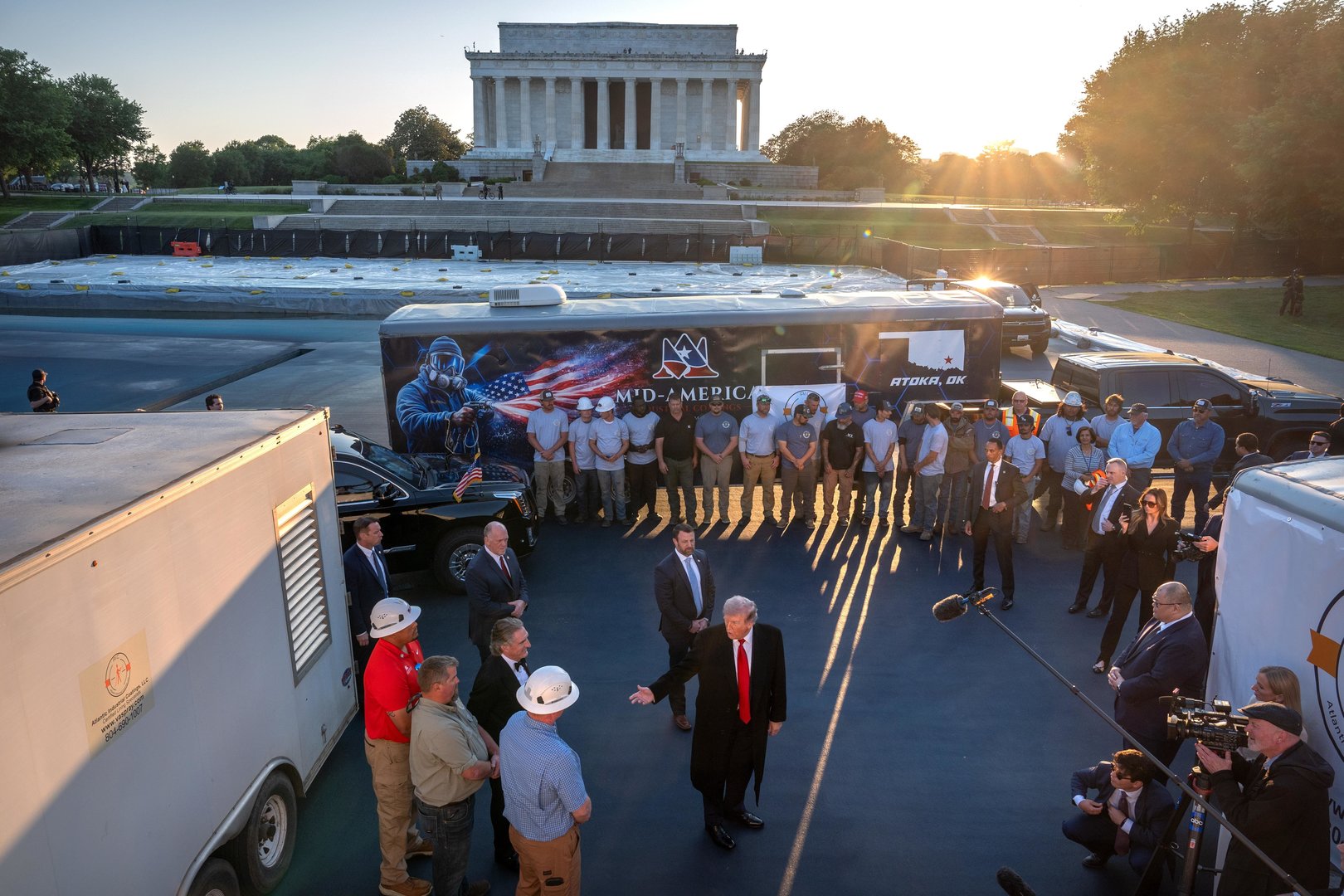
Trump Claims Authority Over D.C. Public Parks, Escalating Debate Over Federal Control
Remarks reignite long-running legal and political tensions over who governs Washington’s public spaces and how far presidential influence can extend
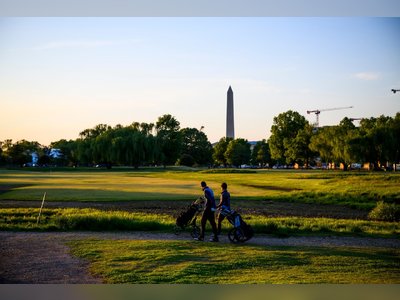
A system-driven governance dispute over control of Washington, D.C.’s public spaces has intensified after Donald Trump asserted authority over parklands in the capital, including areas traditionally managed through a complex division between federal agencies and local District governance.
At the center of the issue is the unique legal structure of Washington, D.C., where public land management is split between federal entities—most prominently the National Park Service—and local municipal authorities operating under limited home rule powers granted by Congress.
This framework has long created overlapping responsibilities for parks, monuments, and civic spaces used for both local recreation and national symbolism.
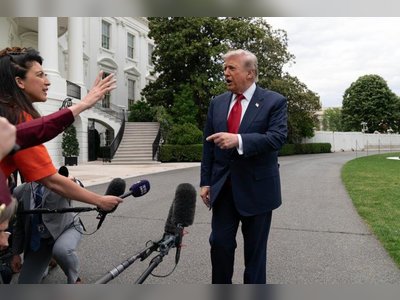
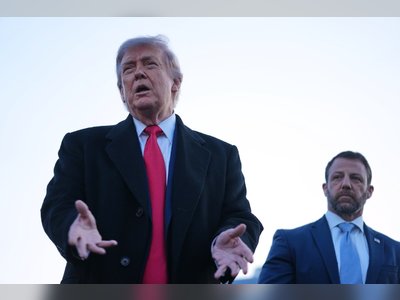
What is confirmed is that Trump publicly framed himself as having direct authority over the management and direction of these public areas, describing them in terms that align with presidential oversight rather than shared administrative control.
The statement has triggered renewed scrutiny of how federal power is interpreted in practice, especially in a capital city where national security, historic preservation, and local governance frequently intersect.
The key issue is not simply rhetorical but structural: while presidents can influence federal agencies that oversee large portions of D.C. parkland, day-to-day management is typically handled by career officials within those agencies rather than direct executive intervention.
Any attempt to expand or personalize that authority would likely collide with established administrative law, congressional oversight, and long-standing precedent governing the separation of powers in federal land management.
Local officials and policy experts have emphasized that D.C.’s parks system is not a single unified asset under presidential control but a patchwork of jurisdictions, including federally designated monuments, memorials, and recreational spaces that fall under statutory frameworks established by Congress over decades.
These arrangements were designed to balance national representation with local civic use.
The political implications are significant because public space in Washington carries symbolic weight far beyond typical municipal governance.
Control over access, maintenance, security, and event permissions can influence national demonstrations, tourism, and the visual presentation of federal authority itself.
As a result, even rhetorical claims about jurisdiction can generate institutional pushback and legal scrutiny.
The dispute also reflects a broader pattern of contested boundaries between executive authority and administrative governance in Washington, particularly in areas where federal and local responsibilities overlap.
While no immediate policy change has been enacted, the assertion has added a new layer of tension to an already complex governance environment in the capital, where jurisdictional lines are tightly regulated and closely monitored.
The episode underscores that control over Washington’s public spaces is ultimately defined not by presidential declaration but by statutory authority and agency administration, reinforcing the legal limits that shape how federal power operates within the District.
At the center of the issue is the unique legal structure of Washington, D.C., where public land management is split between federal entities—most prominently the National Park Service—and local municipal authorities operating under limited home rule powers granted by Congress.
This framework has long created overlapping responsibilities for parks, monuments, and civic spaces used for both local recreation and national symbolism.
What is confirmed is that Trump publicly framed himself as having direct authority over the management and direction of these public areas, describing them in terms that align with presidential oversight rather than shared administrative control.
The statement has triggered renewed scrutiny of how federal power is interpreted in practice, especially in a capital city where national security, historic preservation, and local governance frequently intersect.
The key issue is not simply rhetorical but structural: while presidents can influence federal agencies that oversee large portions of D.C. parkland, day-to-day management is typically handled by career officials within those agencies rather than direct executive intervention.
Any attempt to expand or personalize that authority would likely collide with established administrative law, congressional oversight, and long-standing precedent governing the separation of powers in federal land management.
Local officials and policy experts have emphasized that D.C.’s parks system is not a single unified asset under presidential control but a patchwork of jurisdictions, including federally designated monuments, memorials, and recreational spaces that fall under statutory frameworks established by Congress over decades.
These arrangements were designed to balance national representation with local civic use.
The political implications are significant because public space in Washington carries symbolic weight far beyond typical municipal governance.
Control over access, maintenance, security, and event permissions can influence national demonstrations, tourism, and the visual presentation of federal authority itself.
As a result, even rhetorical claims about jurisdiction can generate institutional pushback and legal scrutiny.
The dispute also reflects a broader pattern of contested boundaries between executive authority and administrative governance in Washington, particularly in areas where federal and local responsibilities overlap.
While no immediate policy change has been enacted, the assertion has added a new layer of tension to an already complex governance environment in the capital, where jurisdictional lines are tightly regulated and closely monitored.
The episode underscores that control over Washington’s public spaces is ultimately defined not by presidential declaration but by statutory authority and agency administration, reinforcing the legal limits that shape how federal power operates within the District.