Focus on the BIG picture.
Sunday, May 10, 2026
Outside the box.

U.S. Sanctions Chinese and Hong Kong Entities Over Iran Arms Links Ahead of High-Level U.S.–China Talks
Washington targets nine firms accused of facilitating Iran’s weapons procurement network, sharpening tensions with Beijing days before expected Trump–Xi discussions
A system-driven escalation in U.S.–China economic and security policy unfolded after the United States imposed sanctions on nine entities based in China and Hong Kong, alleging their involvement in facilitating Iran’s access to materials linked to weapons development.
What is confirmed is that the sanctions were announced as part of an expanded effort to disrupt supply chains associated with Iran’s military procurement networks.
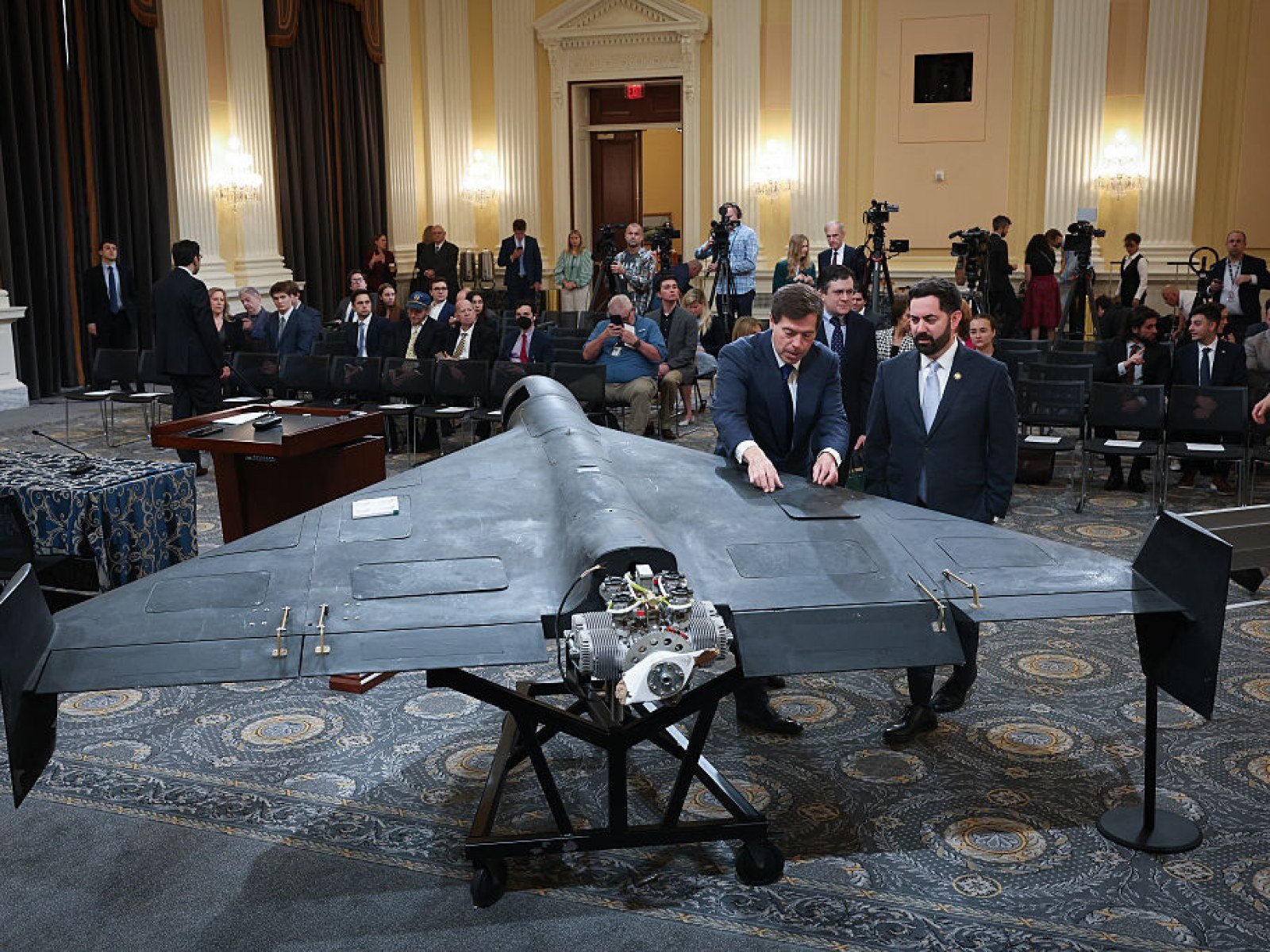
The designated entities are accused of acting as intermediaries in the acquisition and transfer of goods that could contribute to missile development, drone systems, and other defense-related technologies.
The measures freeze any U.S.-linked assets and prohibit American individuals and companies from conducting transactions with the listed firms.
The key issue driving the move is the intersection of geopolitical enforcement and strategic trade controls.
The United States has increasingly relied on financial sanctions to constrain Iran’s defense capabilities, particularly by targeting third-country facilitators that operate in jurisdictions where enforcement is more complex.
China and Hong Kong have repeatedly featured in such enforcement actions due to their extensive global trade networks and logistics infrastructure.
The timing adds a further layer of geopolitical sensitivity.
The sanctions were introduced shortly before an anticipated high-level meeting between Donald Trump and Chinese President Xi Jinping, where trade policy, technology restrictions, and security cooperation are expected to be central topics.
While the sanctions are formally separate from the diplomatic agenda, they increase friction heading into the talks by directly implicating Chinese-linked commercial actors in activities Washington classifies as proliferation-related.
From a policy mechanism standpoint, the sanctions rely on the U.S. Treasury’s authority to designate entities under national security and foreign policy frameworks.
Once designated, affected firms face exclusion from the U.S. financial system, which can have broader consequences due to the centrality of dollar-based transactions in global trade.
Even companies with limited direct exposure to the United States often adjust behavior to avoid secondary risks.
China’s government has historically rejected unilateral sanctions that target its firms over activities linked to third-party states, framing such measures as politically motivated and extraterritorial.
In previous instances, Beijing has responded with diplomatic protests and calls for removal of entities from sanction lists, while continuing to emphasize its opposition to Iran’s acquisition of weapons of mass destruction in official statements.
The sanctions also reflect a broader pattern in which Iran-related enforcement has become entangled with great-power competition.
As direct nuclear negotiations with Iran have fluctuated over recent years, the United States has increasingly focused on interdiction through global supply chains, particularly those involving electronics, industrial components, and dual-use technologies.
The immediate consequence of the designations is expected disruption for the affected firms, which may face banking restrictions, shipping barriers, and reputational damage even outside U.S. jurisdiction.
The broader implication is a further tightening of global trade scrutiny at the intersection of Iran policy and U.S.–China economic rivalry, reinforcing the use of sanctions as a primary instrument of geopolitical pressure.
What is confirmed is that the sanctions were announced as part of an expanded effort to disrupt supply chains associated with Iran’s military procurement networks.
The designated entities are accused of acting as intermediaries in the acquisition and transfer of goods that could contribute to missile development, drone systems, and other defense-related technologies.
The measures freeze any U.S.-linked assets and prohibit American individuals and companies from conducting transactions with the listed firms.
The key issue driving the move is the intersection of geopolitical enforcement and strategic trade controls.
The United States has increasingly relied on financial sanctions to constrain Iran’s defense capabilities, particularly by targeting third-country facilitators that operate in jurisdictions where enforcement is more complex.
China and Hong Kong have repeatedly featured in such enforcement actions due to their extensive global trade networks and logistics infrastructure.
The timing adds a further layer of geopolitical sensitivity.
The sanctions were introduced shortly before an anticipated high-level meeting between Donald Trump and Chinese President Xi Jinping, where trade policy, technology restrictions, and security cooperation are expected to be central topics.
While the sanctions are formally separate from the diplomatic agenda, they increase friction heading into the talks by directly implicating Chinese-linked commercial actors in activities Washington classifies as proliferation-related.
From a policy mechanism standpoint, the sanctions rely on the U.S. Treasury’s authority to designate entities under national security and foreign policy frameworks.
Once designated, affected firms face exclusion from the U.S. financial system, which can have broader consequences due to the centrality of dollar-based transactions in global trade.
Even companies with limited direct exposure to the United States often adjust behavior to avoid secondary risks.
China’s government has historically rejected unilateral sanctions that target its firms over activities linked to third-party states, framing such measures as politically motivated and extraterritorial.
In previous instances, Beijing has responded with diplomatic protests and calls for removal of entities from sanction lists, while continuing to emphasize its opposition to Iran’s acquisition of weapons of mass destruction in official statements.
The sanctions also reflect a broader pattern in which Iran-related enforcement has become entangled with great-power competition.
As direct nuclear negotiations with Iran have fluctuated over recent years, the United States has increasingly focused on interdiction through global supply chains, particularly those involving electronics, industrial components, and dual-use technologies.
The immediate consequence of the designations is expected disruption for the affected firms, which may face banking restrictions, shipping barriers, and reputational damage even outside U.S. jurisdiction.
The broader implication is a further tightening of global trade scrutiny at the intersection of Iran policy and U.S.–China economic rivalry, reinforcing the use of sanctions as a primary instrument of geopolitical pressure.