Focus on the BIG picture.
Sunday, May 10, 2026
Outside the box.

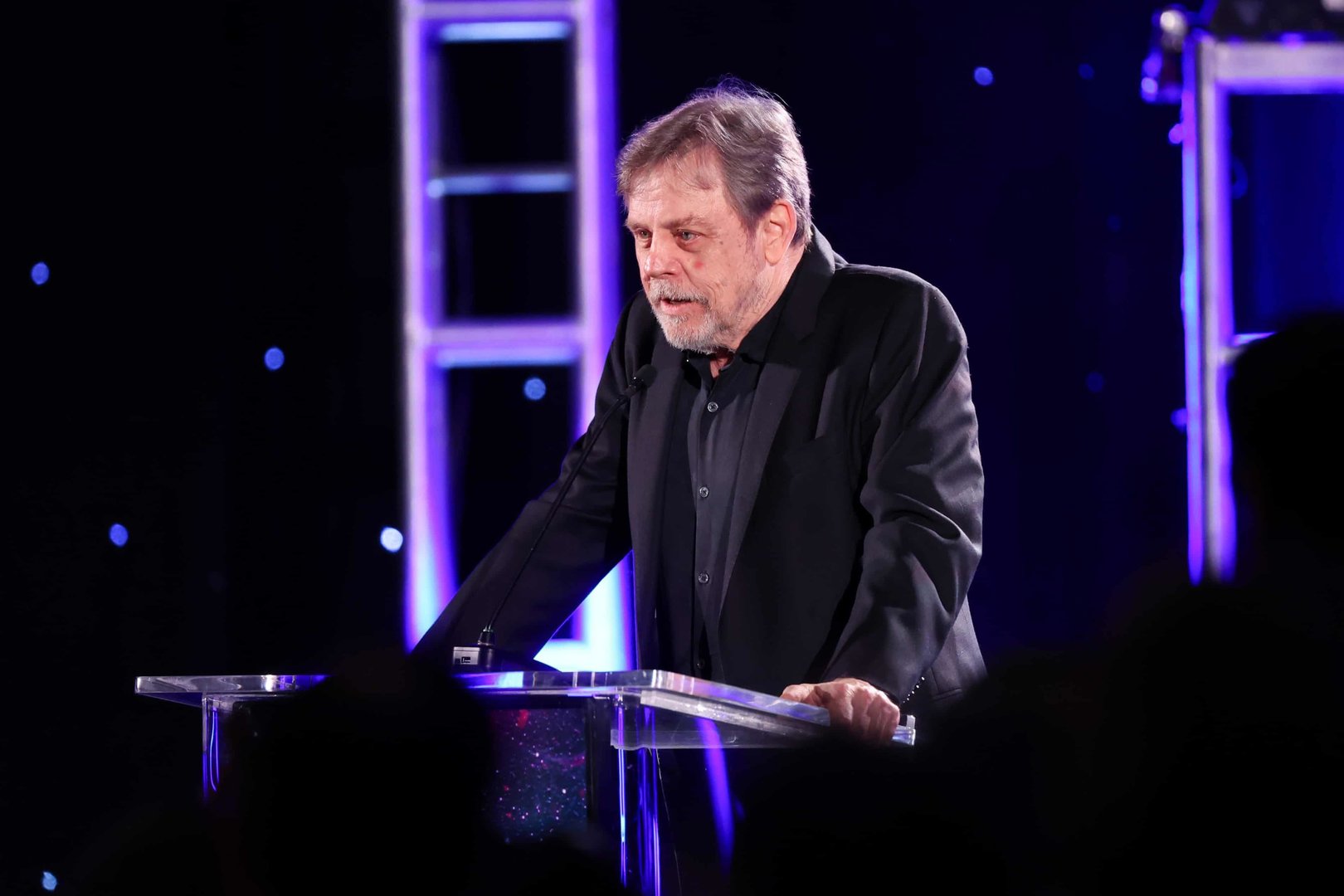
White House condemns Mark Hamill after AI image of Trump in grave sparks political firestorm
Actor deletes post and apologizes after sharing AI-generated image of Donald Trump in a grave; administration links it to rising concerns over political violence
A public clash between the White House and actor Mark Hamill erupted after Hamill posted an AI-generated image depicting former President Donald Trump in a shallow grave, prompting the administration to label him a “sick individual” and reigniting debate over political rhetoric and online content moderation.
What is confirmed is that Hamill shared the image on his verified social media account, showing Trump lying with his eyes closed next to a gravestone marked with a fabricated date of death and the phrase “If Only.” The post was accompanied by comments in which Hamill expressed that Trump should live long enough to face electoral defeat, legal accountability, and historical condemnation rather than wishing him dead.
The post was later deleted.
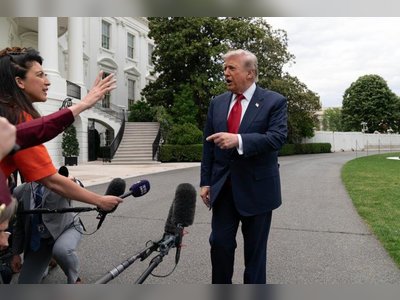
The White House responded through its communications channels, sharply condemning the actor and describing him as “one sick individual.” Officials also framed the post as part of a broader pattern of rhetoric they say contributes to an increasingly hostile political environment.
The administration pointed to recent threats and violent incidents involving political figures as evidence that inflammatory messaging online can have real-world consequences.
Hamill subsequently issued an apology and clarification, stating that his intent was not to promote or wish for death but to express political opposition and frustration.
He revised his message, replacing the graphic image with a less provocative post while maintaining criticism of Trump’s record and legal controversies.
The incident quickly spread across political and media circles, reflecting the heightened sensitivity surrounding depictions of political violence in the United States.
Supporters of the White House response argued that public figures have a responsibility to avoid imagery that can be interpreted as endorsing harm, while critics of the administration described the reaction as selective enforcement given the broader ecosystem of political speech across platforms.
The episode underscores how artificial intelligence-generated imagery is now amplifying political conflict by making highly provocative visuals easy to produce and distribute at scale, forcing both public figures and institutions to navigate new boundaries around expression, intent, and perceived incitement in an already polarized environment.
The White House has since maintained its position that the post was unacceptable and reinforced its warnings about rhetoric it believes fuels political hostility in an environment where security concerns around elected officials remain elevated.
What is confirmed is that Hamill shared the image on his verified social media account, showing Trump lying with his eyes closed next to a gravestone marked with a fabricated date of death and the phrase “If Only.” The post was accompanied by comments in which Hamill expressed that Trump should live long enough to face electoral defeat, legal accountability, and historical condemnation rather than wishing him dead.
The post was later deleted.
The White House responded through its communications channels, sharply condemning the actor and describing him as “one sick individual.” Officials also framed the post as part of a broader pattern of rhetoric they say contributes to an increasingly hostile political environment.
The administration pointed to recent threats and violent incidents involving political figures as evidence that inflammatory messaging online can have real-world consequences.
Hamill subsequently issued an apology and clarification, stating that his intent was not to promote or wish for death but to express political opposition and frustration.
He revised his message, replacing the graphic image with a less provocative post while maintaining criticism of Trump’s record and legal controversies.
The incident quickly spread across political and media circles, reflecting the heightened sensitivity surrounding depictions of political violence in the United States.
Supporters of the White House response argued that public figures have a responsibility to avoid imagery that can be interpreted as endorsing harm, while critics of the administration described the reaction as selective enforcement given the broader ecosystem of political speech across platforms.
The episode underscores how artificial intelligence-generated imagery is now amplifying political conflict by making highly provocative visuals easy to produce and distribute at scale, forcing both public figures and institutions to navigate new boundaries around expression, intent, and perceived incitement in an already polarized environment.
The White House has since maintained its position that the post was unacceptable and reinforced its warnings about rhetoric it believes fuels political hostility in an environment where security concerns around elected officials remain elevated.