Focus on the BIG picture.
Sunday, May 10, 2026
Outside the box.

Washington Governor Fined Over Ethics Breach Involving State Aircraft Use
A state investigation found Governor Bob Ferguson violated ethics rules tied to official aircraft use, triggering a financial penalty and renewed scrutiny of executive travel oversight
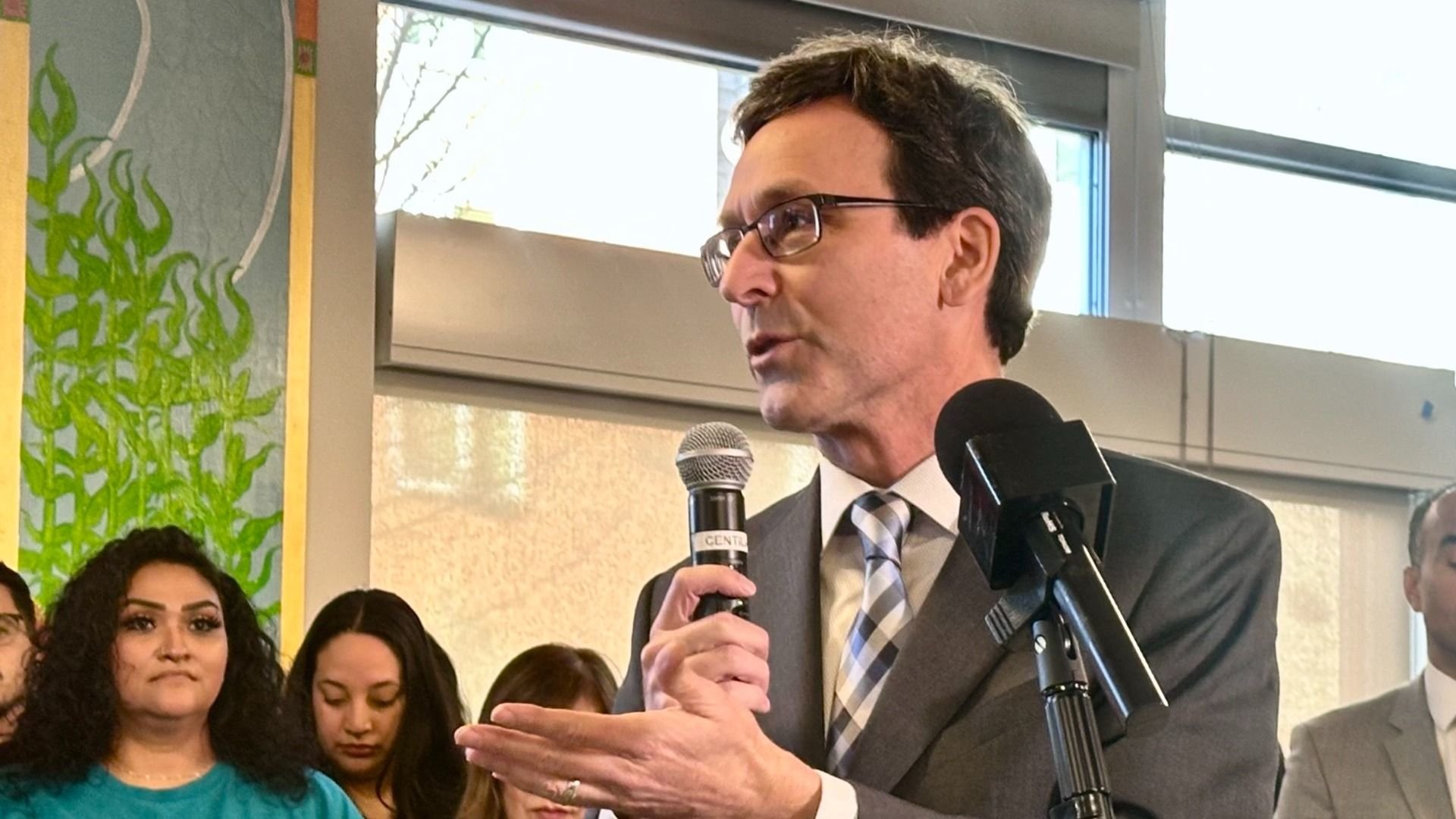
STATE ETHICS ENFORCEMENT in Washington has resulted in a formal financial penalty against Governor Bob Ferguson following a determination that he violated rules governing the use of state-owned aircraft for official travel.
The case centers on whether public resources were used in a manner inconsistent with state ethics requirements that restrict personal or non-essential use of government assets.
What is confirmed is that a state ethics authority concluded Ferguson’s travel arrangements involving a state plane did not fully comply with applicable rules.
The decision resulted in a monetary fine, marking a rare instance in which a sitting governor in the United States has been formally penalized over aircraft usage.
The mechanism at issue involves strict state-level regulations governing executive travel.
In Washington, as in many U.S. states, government aircraft are reserved primarily for official duties where commercial travel is impractical due to scheduling, security, or logistical constraints.
Ethics rules typically require clear documentation of necessity, cost justification, and separation from personal or non-official travel.
The investigation examined whether those standards were met in specific instances of flight usage.
While the details of each trip have not been publicly framed as criminal conduct, the finding establishes that administrative ethics thresholds were crossed.
The penalty reflects a civil enforcement outcome rather than a criminal proceeding.
The significance of the ruling extends beyond the financial fine.
It places renewed attention on how senior elected officials use state assets and how oversight mechanisms are enforced in practice.
Executive travel, particularly involving aircraft, is a persistent source of public scrutiny because of its high cost and symbolic association with government privilege.
For Ferguson, the decision introduces a political and administrative challenge at the start of his tenure as governor.
Ethics violations, even when procedural in nature, can affect public perception of governance standards and prompt tighter internal controls on travel authorization processes.
More broadly, the case underscores the role of state ethics bodies in enforcing compliance against high-ranking officials.
These institutions operate independently of executive offices and can impose penalties when rules are breached, reinforcing the principle that public officeholders remain subject to the same regulatory frameworks they oversee.
The outcome is likely to prompt review of travel approval procedures within the governor’s office and may lead to more formalized documentation requirements for future use of state aircraft.
The enforcement action stands as a precedent for stricter scrutiny of executive resource use across Washington state government.
The case centers on whether public resources were used in a manner inconsistent with state ethics requirements that restrict personal or non-essential use of government assets.
What is confirmed is that a state ethics authority concluded Ferguson’s travel arrangements involving a state plane did not fully comply with applicable rules.
The decision resulted in a monetary fine, marking a rare instance in which a sitting governor in the United States has been formally penalized over aircraft usage.
The mechanism at issue involves strict state-level regulations governing executive travel.
In Washington, as in many U.S. states, government aircraft are reserved primarily for official duties where commercial travel is impractical due to scheduling, security, or logistical constraints.
Ethics rules typically require clear documentation of necessity, cost justification, and separation from personal or non-official travel.
The investigation examined whether those standards were met in specific instances of flight usage.
While the details of each trip have not been publicly framed as criminal conduct, the finding establishes that administrative ethics thresholds were crossed.
The penalty reflects a civil enforcement outcome rather than a criminal proceeding.
The significance of the ruling extends beyond the financial fine.
It places renewed attention on how senior elected officials use state assets and how oversight mechanisms are enforced in practice.
Executive travel, particularly involving aircraft, is a persistent source of public scrutiny because of its high cost and symbolic association with government privilege.
For Ferguson, the decision introduces a political and administrative challenge at the start of his tenure as governor.
Ethics violations, even when procedural in nature, can affect public perception of governance standards and prompt tighter internal controls on travel authorization processes.
More broadly, the case underscores the role of state ethics bodies in enforcing compliance against high-ranking officials.
These institutions operate independently of executive offices and can impose penalties when rules are breached, reinforcing the principle that public officeholders remain subject to the same regulatory frameworks they oversee.
The outcome is likely to prompt review of travel approval procedures within the governor’s office and may lead to more formalized documentation requirements for future use of state aircraft.
The enforcement action stands as a precedent for stricter scrutiny of executive resource use across Washington state government.