Focus on the BIG picture.
Thursday, Dec 18, 2025
Outside the box.

Trump Declares Victory on Price Reductions, Blames Democrats for Past High Costs
President Trump asserts that prices are falling under his leadership and credits his economic policies with reversing inflation he attributes to Democratic governance
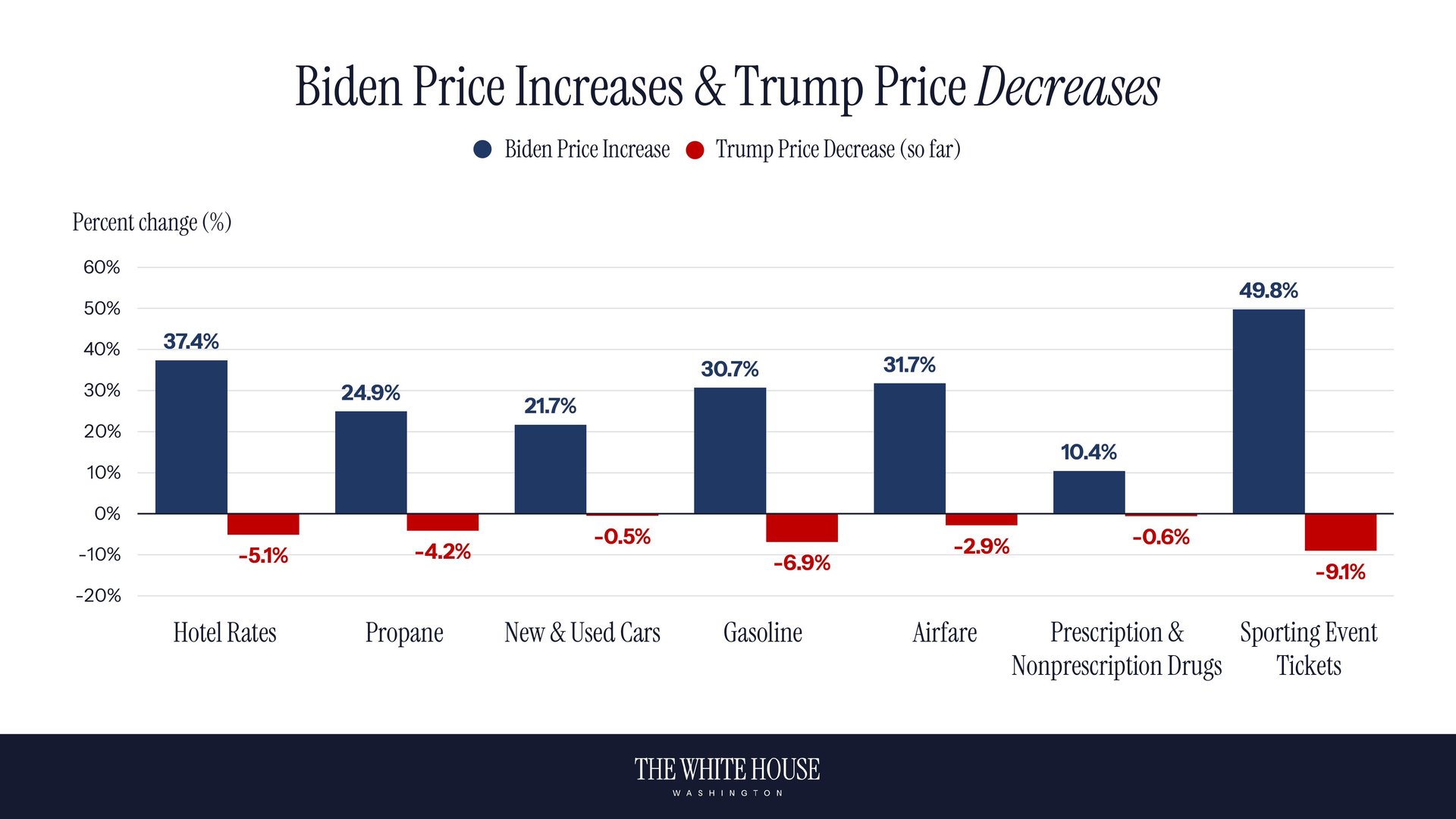
President Donald Trump has asserted that “high prices” that burdened American households are now rapidly declining under his administration, while placing blame on Democrats and the previous presidency for the inflationary pressures that preceded his term.
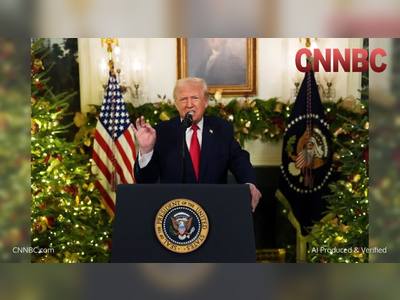
In a recent address from the White House, Trump said that he inherited an economy with historically high costs and claimed that under his economic agenda, prices for key consumer goods and services are coming down significantly.
Trump reiterated that his policies on tariffs, energy independence and deregulation are contributing to this trend and that continued progress will benefit working families.
The White House released commentary emphasising that inflation averages have fallen since Trump took office, with core consumer price measures lower than during the final years of the previous administration and sustained downward pressure on some categories of household expenses.
Trump and senior advisers argue that this reflects the effectiveness of his economic strategy, which they say has restored price stability and improved real wages for many Americans.
However, independent economic data and expert analysis present a more nuanced picture.
Official figures indicate that while headline inflation has eased compared with peak levels in recent years, prices for many everyday goods and services continue to rise or remain elevated, according to recent consumer price indexes.
Some economists also point out that the pace of inflationary moderation predates the current administration and reflects broader macroeconomic trends rather than the exclusive result of recent policy measures.
Public sentiment polls show mixed impressions of the economy, with a substantial share of households reporting affordability challenges despite declines in certain cost categories.
The debate over price trends and responsibility for inflation has become a central theme in political discourse, with Republicans highlighting policy successes and opponents challenging the framing of economic data.
As the 2026 election cycle approaches, Trump’s narrative of lowering prices and confronting economic issues inherited from his predecessors is likely to remain a focal point of his campaign rhetoric.
The underlying economic indicators and public perceptions will continue to shape assessments of these claims in the months ahead.
In a recent address from the White House, Trump said that he inherited an economy with historically high costs and claimed that under his economic agenda, prices for key consumer goods and services are coming down significantly.
Trump reiterated that his policies on tariffs, energy independence and deregulation are contributing to this trend and that continued progress will benefit working families.
The White House released commentary emphasising that inflation averages have fallen since Trump took office, with core consumer price measures lower than during the final years of the previous administration and sustained downward pressure on some categories of household expenses.
Trump and senior advisers argue that this reflects the effectiveness of his economic strategy, which they say has restored price stability and improved real wages for many Americans.
However, independent economic data and expert analysis present a more nuanced picture.
Official figures indicate that while headline inflation has eased compared with peak levels in recent years, prices for many everyday goods and services continue to rise or remain elevated, according to recent consumer price indexes.
Some economists also point out that the pace of inflationary moderation predates the current administration and reflects broader macroeconomic trends rather than the exclusive result of recent policy measures.
Public sentiment polls show mixed impressions of the economy, with a substantial share of households reporting affordability challenges despite declines in certain cost categories.
The debate over price trends and responsibility for inflation has become a central theme in political discourse, with Republicans highlighting policy successes and opponents challenging the framing of economic data.
As the 2026 election cycle approaches, Trump’s narrative of lowering prices and confronting economic issues inherited from his predecessors is likely to remain a focal point of his campaign rhetoric.
The underlying economic indicators and public perceptions will continue to shape assessments of these claims in the months ahead.