Focus on the BIG picture.
Monday, Jan 05, 2026
Outside the box.

Trump’s Ambitious Venezuela Oil Strategy Faces Economic, Legal and Political Obstacles
Efforts to seize and rebuild Venezuela’s vast petroleum sector after Maduro’s capture confront infrastructure ruin, industry hesitancy and geopolitical headwinds
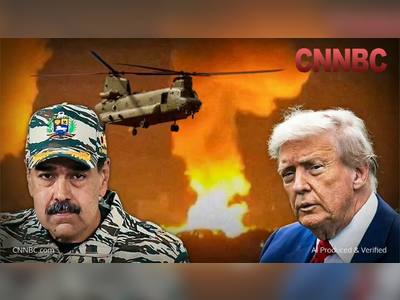
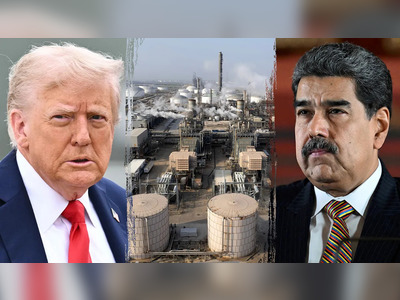
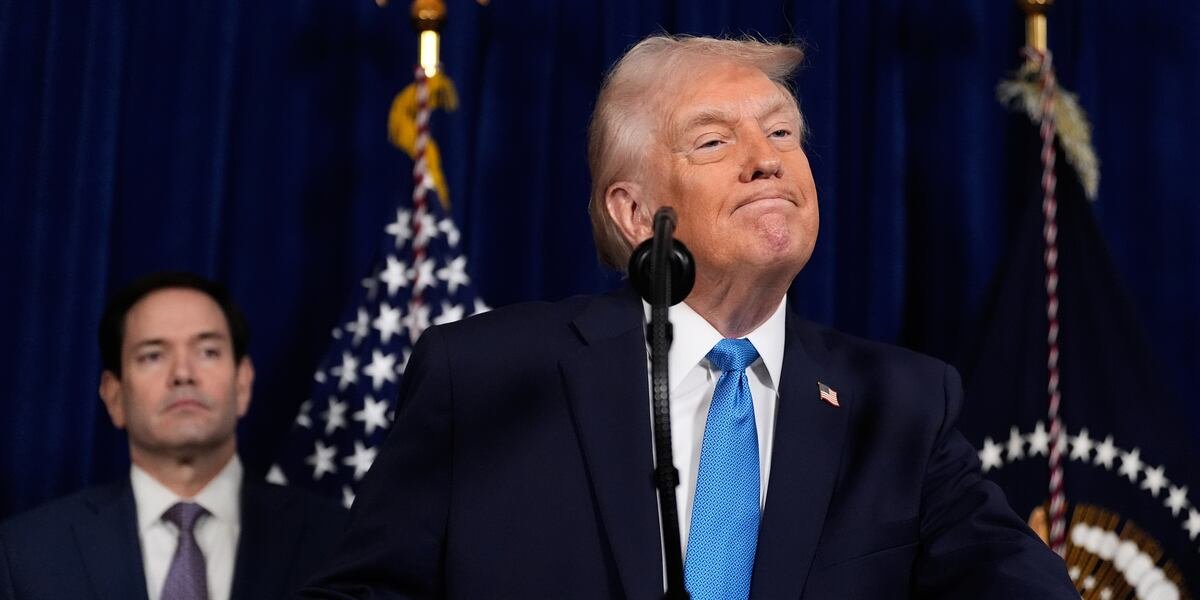
President Donald Trump’s announcement that the United States will take control of Venezuela’s oil industry and enlist American energy firms to rehabilitate it has run into substantial hurdles that could significantly delay or dilute its impact.
The plan, unveiled after U.S. forces captured Venezuelan President Nicolás Maduro in a dramatic early January operation, aims to unlock the country’s enormous energy potential and reinvigorate output from one of the world’s largest crude reserves.
However, analysts and industry figures say that the scale of systems decay, legal complexity and political uncertainty will make any rapid transformation difficult.
Venezuela holds roughly three hundred and three billion barrels of proven oil reserves, the largest in the world, but years of neglect, mismanagement, corruption and sanctions have left its infrastructure badly deteriorated and crude production far below historical levels.
Current daily production stands around one point one million barrels, a fraction of its former capacity, and experts estimate that restoring even a fraction of peak output could require up to one hundred billion dollars of investment and a decade or more of sustained effort.
Major U.S. oil companies such as ExxonMobil and ConocoPhillips remain cautious about returning to Venezuela, wary of legal and political risk after past asset seizures, leaving Chevron as the sole significant American operator still active in the country.
Further complicating Trump’s strategy, Washington has imposed a wide “oil quarantine” and sanctions regime that effectively blocks Venezuelan crude from entering many markets.
The administration has sanctioned oil traders and tankers alleged to be part of a so-called “shadow fleet” serving Maduro’s government, and U.S. naval operations have pursued or seized sanctioned vessels bound for foreign ports.
The sanctions and blockade have sharply reduced Venezuela’s exports and complicated efforts to even maintain existing output, prompting state oil company PDVSA to cut production due to storage bottlenecks and the embargo’s effects.
Legal and diplomatic questions also loom large.
Critics, including some international lawyers and regional governments, contend that unilateral military actions and attempts to exert control over a sovereign state’s natural resources could violate international law and set precarious precedents.
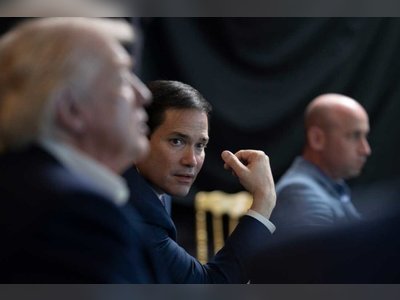
Domestically, U.S. officials have offered shifting descriptions of the intended role in Venezuela, with Secretary of State Marco Rubio emphasising enforcement of the oil blockade rather than direct governance or extraction, a contrast to President Trump’s earlier remarks about “running” the country during a transition.
Even were significant investment and legal clarity secured, observers note that rebuilding Venezuela’s heavy crude operations would face technical obstacles.
Many Venezuelan fields require significant diluents and upgraded processing facilities to produce exportable grades of oil, and decades of underinvestment have sapped technical expertise.
U.S. oil executives have indicated that long-term political stability and enforceable contracts would be prerequisites for re-entry, conditions that remain uncertain in a volatile environment.
The combination of economic, legal and geostrategic barriers means that, while Trump’s vision could in time reshape Venezuela’s energy output, the path to achieving it is fraught and likely to stretch far beyond initial expectations.
The plan, unveiled after U.S. forces captured Venezuelan President Nicolás Maduro in a dramatic early January operation, aims to unlock the country’s enormous energy potential and reinvigorate output from one of the world’s largest crude reserves.
However, analysts and industry figures say that the scale of systems decay, legal complexity and political uncertainty will make any rapid transformation difficult.
Venezuela holds roughly three hundred and three billion barrels of proven oil reserves, the largest in the world, but years of neglect, mismanagement, corruption and sanctions have left its infrastructure badly deteriorated and crude production far below historical levels.
Current daily production stands around one point one million barrels, a fraction of its former capacity, and experts estimate that restoring even a fraction of peak output could require up to one hundred billion dollars of investment and a decade or more of sustained effort.
Major U.S. oil companies such as ExxonMobil and ConocoPhillips remain cautious about returning to Venezuela, wary of legal and political risk after past asset seizures, leaving Chevron as the sole significant American operator still active in the country.
Further complicating Trump’s strategy, Washington has imposed a wide “oil quarantine” and sanctions regime that effectively blocks Venezuelan crude from entering many markets.
The administration has sanctioned oil traders and tankers alleged to be part of a so-called “shadow fleet” serving Maduro’s government, and U.S. naval operations have pursued or seized sanctioned vessels bound for foreign ports.
The sanctions and blockade have sharply reduced Venezuela’s exports and complicated efforts to even maintain existing output, prompting state oil company PDVSA to cut production due to storage bottlenecks and the embargo’s effects.
Legal and diplomatic questions also loom large.
Critics, including some international lawyers and regional governments, contend that unilateral military actions and attempts to exert control over a sovereign state’s natural resources could violate international law and set precarious precedents.
Domestically, U.S. officials have offered shifting descriptions of the intended role in Venezuela, with Secretary of State Marco Rubio emphasising enforcement of the oil blockade rather than direct governance or extraction, a contrast to President Trump’s earlier remarks about “running” the country during a transition.
Even were significant investment and legal clarity secured, observers note that rebuilding Venezuela’s heavy crude operations would face technical obstacles.
Many Venezuelan fields require significant diluents and upgraded processing facilities to produce exportable grades of oil, and decades of underinvestment have sapped technical expertise.
U.S. oil executives have indicated that long-term political stability and enforceable contracts would be prerequisites for re-entry, conditions that remain uncertain in a volatile environment.
The combination of economic, legal and geostrategic barriers means that, while Trump’s vision could in time reshape Venezuela’s energy output, the path to achieving it is fraught and likely to stretch far beyond initial expectations.