Focus on the BIG picture.
Friday, Dec 26, 2025
Outside the box.

United States Urges Cambodia and Thailand to End Deadly Border Clashes and Fully Implement Peace Accords
Washington presses for cessation of hostilities and resumption of agreed ceasefire as violence persists and displacement grows
The United States has called on Cambodia and Thailand to end weeks of deadly clashes along their shared border and fully implement previously agreed peace accords, emphasising the urgent need to halt fighting and protect civilians amid one of the most serious escalations between the two Southeast Asian neighbours in recent years.
In a series of high-level diplomatic contacts, U.S. Secretary of State Marco Rubio reiterated President Donald Trump’s desire for peace and offered American support to facilitate talks as hostilities continued.
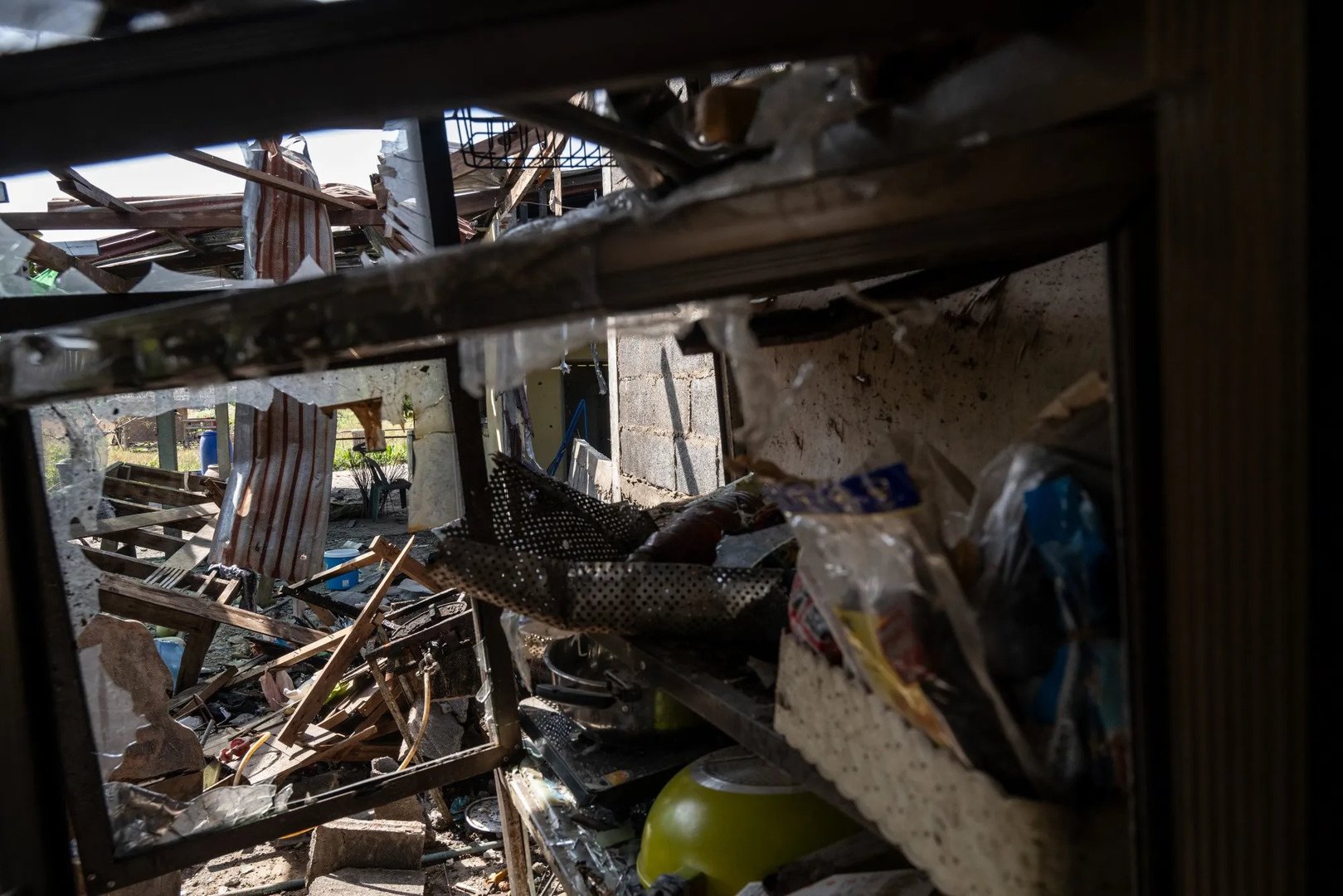
The renewed conflict, which reignited in early December after a truce collapsed, has involved artillery exchanges, air strikes and rocket fire, killing dozens and displacing hundreds of thousands of civilians on both sides of the disputed frontier.
The clashes stem from a long-running territorial dispute dating back to colonial-era border demarcations and have repeatedly undermined previous ceasefire efforts, including an earlier accord reached at an Association of Southeast Asian Nations summit in Kuala Lumpur in October under U.S. and regional auspices.
During phone calls with Cambodian Prime Minister Hun Manet and Thai Foreign Minister Sihasak Phuangketkeow, Mr. Rubio urged the full implementation of the Kuala Lumpur Peace Accords and stressed the importance of concrete steps to de-escalate the situation, including the withdrawal of heavy weapons and cessation of new landmine emplacement.
He also emphasised the need to resume meaningful dialogue through diplomatic channels, offering U.S. mediation to support these efforts.
Thailand and Cambodia have agreed to hold military and defence talks aimed at resuming a ceasefire, though both sides have traded accusations over violations of truce terms and incidents involving civilian harm.
International actors, including members of the ten-nation Association of Southeast Asian Nations and China, have also called for restraint and a return to negotiations to stop the violence, which has forced large-scale evacuations and prompted travel warnings from foreign ministries.
U.S. efforts underscore Washington’s ongoing commitment to regional stability and its interest in seeing peace restored through the full and effective implementation of existing peace agreements.
As diplomatic engagements continue, the focus remains on achieving a durable cessation of hostilities and addressing underlying grievances that have fuelled the border conflict.
In a series of high-level diplomatic contacts, U.S. Secretary of State Marco Rubio reiterated President Donald Trump’s desire for peace and offered American support to facilitate talks as hostilities continued.
The renewed conflict, which reignited in early December after a truce collapsed, has involved artillery exchanges, air strikes and rocket fire, killing dozens and displacing hundreds of thousands of civilians on both sides of the disputed frontier.
The clashes stem from a long-running territorial dispute dating back to colonial-era border demarcations and have repeatedly undermined previous ceasefire efforts, including an earlier accord reached at an Association of Southeast Asian Nations summit in Kuala Lumpur in October under U.S. and regional auspices.
During phone calls with Cambodian Prime Minister Hun Manet and Thai Foreign Minister Sihasak Phuangketkeow, Mr. Rubio urged the full implementation of the Kuala Lumpur Peace Accords and stressed the importance of concrete steps to de-escalate the situation, including the withdrawal of heavy weapons and cessation of new landmine emplacement.
He also emphasised the need to resume meaningful dialogue through diplomatic channels, offering U.S. mediation to support these efforts.
Thailand and Cambodia have agreed to hold military and defence talks aimed at resuming a ceasefire, though both sides have traded accusations over violations of truce terms and incidents involving civilian harm.
International actors, including members of the ten-nation Association of Southeast Asian Nations and China, have also called for restraint and a return to negotiations to stop the violence, which has forced large-scale evacuations and prompted travel warnings from foreign ministries.
U.S. efforts underscore Washington’s ongoing commitment to regional stability and its interest in seeing peace restored through the full and effective implementation of existing peace agreements.
As diplomatic engagements continue, the focus remains on achieving a durable cessation of hostilities and addressing underlying grievances that have fuelled the border conflict.