Focus on the BIG picture.
Sunday, Dec 28, 2025
Outside the box.

US Government Warns UK Move to Charge Silent Prayer Outside Clinic Undermines Free Speech and Religious Liberty
Washington expresses concern after British Catholic woman becomes first person charged under national buffer zone law for praying near abortion clinic
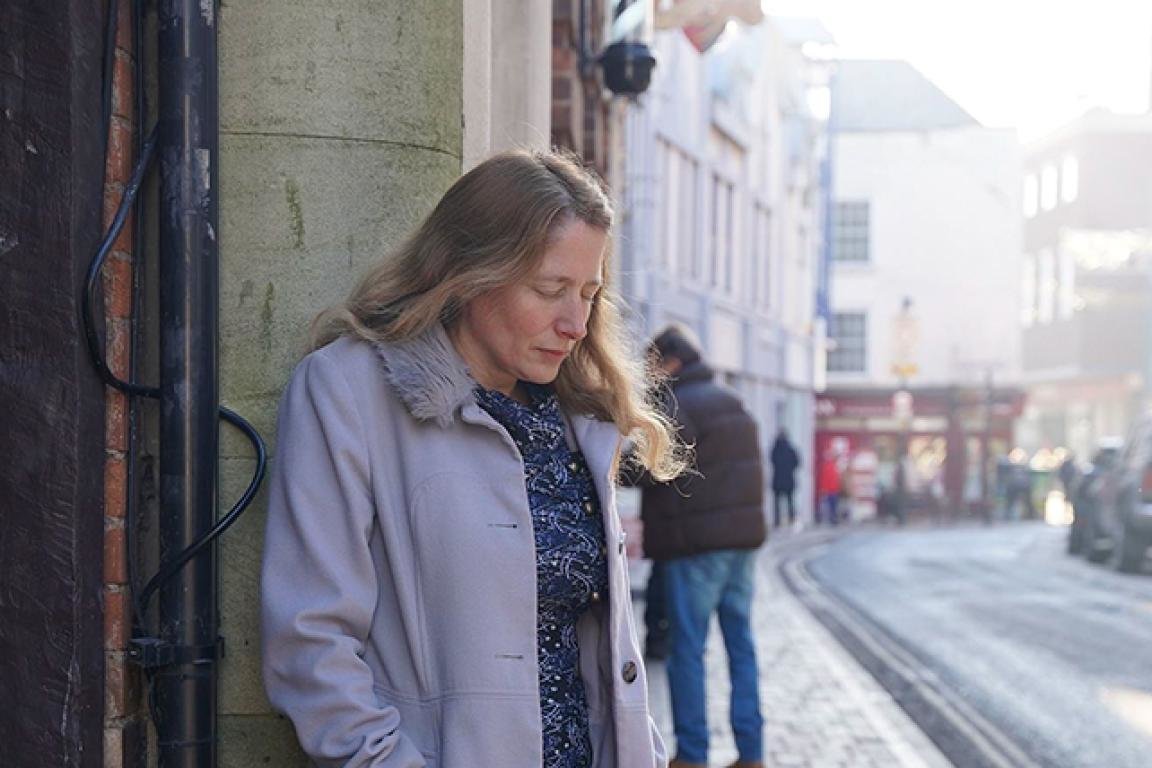
The United States government has spoken out against the prosecution of a British Catholic woman charged for silently praying outside an abortion clinic in Birmingham, warning that the case raises serious concerns about freedom of expression and religious liberty.
The British woman, Isabel Vaughan-Spruce, a forty-eight-year-old charity worker who has prayed in the same public location for approximately twenty years, was charged under Section nine of the Public Order Act two thousand twenty-three after police alleged her presence within a designated buffer zone constituted prohibited influence.
This is the first known use of the national buffer zone legislation, which came into force in October two thousand twenty-four and prohibits “influencing any person’s decision to access, provide or facilitate abortion services” within one hundred fifty metres of abortion facilities.
The U.S. State Department described the prosecution as “concerning in terms of its impact on respect for the fundamental freedoms of expression and religion or belief,” stressing that peaceful silent prayer should not be treated as harm.
Officials said they are monitoring the case closely and underscored that standing silently and offering conversation should not be deemed injurious or unlawful.
Vaughan-Spruce’s court appearance is scheduled for January twenty-ninth, two thousand twenty-six, and she could face an unlimited fine if convicted.
Vaughan-Spruce has previously been arrested near the clinic under earlier local buffer zone orders but was acquitted, and in two thousand twenty-four she received a settlement of thirteen thousand pounds from West Midlands Police for wrongful arrests.
Legal guidance from the Crown Prosecution Service indicates that silent prayer alone should not suffice to meet the threshold for criminal prosecution unless accompanied by overt behaviour, but authorities nonetheless pursued charges under the national law.
Advocates supporting Vaughan-Spruce argue that her prosecution represents an overly broad interpretation of the legislation that risks criminalising passive conduct such as silent prayer.
The U.S. criticism adds to ongoing international dialogue around the implementation of buffer zone laws and the balance between protecting access to reproductive services and upholding rights to religious freedom and free expression.
As the legal process advances, the case is poised to become a focal point in debates on the limits of activism, faith expression and public order legislation in the United Kingdom.
The British woman, Isabel Vaughan-Spruce, a forty-eight-year-old charity worker who has prayed in the same public location for approximately twenty years, was charged under Section nine of the Public Order Act two thousand twenty-three after police alleged her presence within a designated buffer zone constituted prohibited influence.
This is the first known use of the national buffer zone legislation, which came into force in October two thousand twenty-four and prohibits “influencing any person’s decision to access, provide or facilitate abortion services” within one hundred fifty metres of abortion facilities.
The U.S. State Department described the prosecution as “concerning in terms of its impact on respect for the fundamental freedoms of expression and religion or belief,” stressing that peaceful silent prayer should not be treated as harm.
Officials said they are monitoring the case closely and underscored that standing silently and offering conversation should not be deemed injurious or unlawful.
Vaughan-Spruce’s court appearance is scheduled for January twenty-ninth, two thousand twenty-six, and she could face an unlimited fine if convicted.
Vaughan-Spruce has previously been arrested near the clinic under earlier local buffer zone orders but was acquitted, and in two thousand twenty-four she received a settlement of thirteen thousand pounds from West Midlands Police for wrongful arrests.
Legal guidance from the Crown Prosecution Service indicates that silent prayer alone should not suffice to meet the threshold for criminal prosecution unless accompanied by overt behaviour, but authorities nonetheless pursued charges under the national law.
Advocates supporting Vaughan-Spruce argue that her prosecution represents an overly broad interpretation of the legislation that risks criminalising passive conduct such as silent prayer.
The U.S. criticism adds to ongoing international dialogue around the implementation of buffer zone laws and the balance between protecting access to reproductive services and upholding rights to religious freedom and free expression.
As the legal process advances, the case is poised to become a focal point in debates on the limits of activism, faith expression and public order legislation in the United Kingdom.