Focus on the BIG picture.
Sunday, Mar 15, 2026
Outside the box.

Vice President Vance Defends ICE Officer and Places Responsibility on ‘Left-Wing’ Forces After Fatal Minneapolis Shooting
At a White House briefing, Vice President J.D. Vance asserts the ICE agent acted in self-defense and attributes blame to political rhetoric as controversy and protests escalate
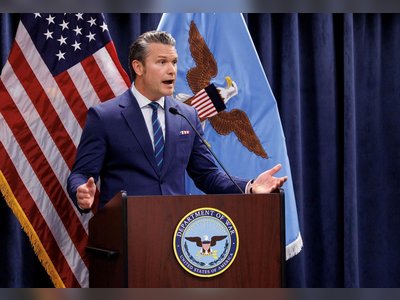
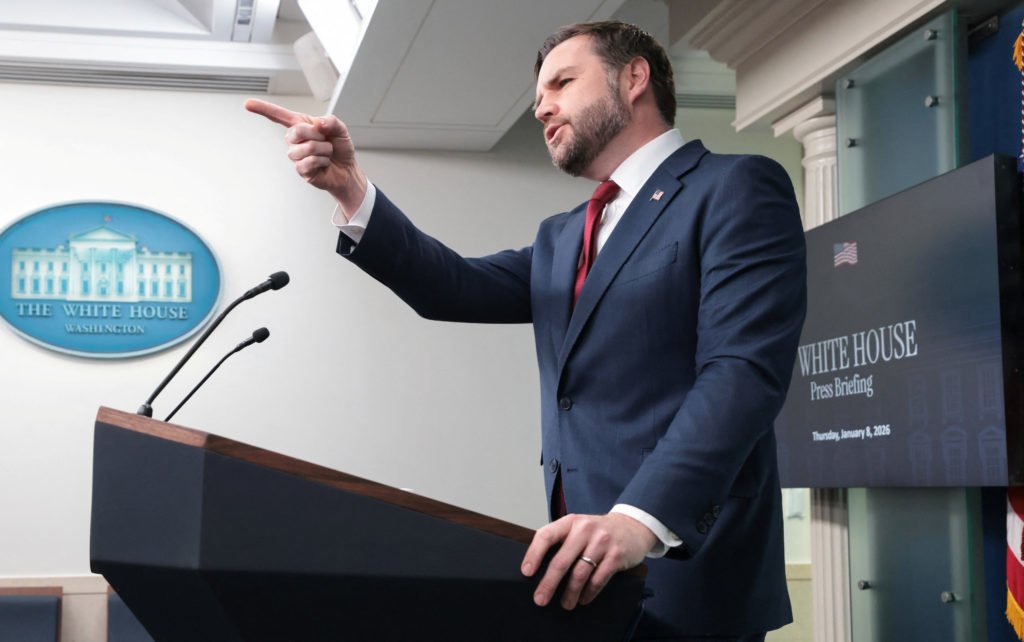
Vice President J.D. Vance used a White House press briefing to vigorously defend an Immigration and Customs Enforcement officer involved in the fatal shooting of a Minneapolis woman and to shift public focus onto broader political rhetoric and perceived threats to law enforcement.
The shooting of 37-year-old Renee Nicole Good during a federal operation earlier this week has ignited protests and intense scrutiny of federal immigration enforcement in Minnesota and beyond.
Speaking from the White House briefing room, Vance described the incident as an act of self-defense by the ICE agent, who federal officials have said fired when Good’s vehicle threatened officers.
Vance characterised criticism of the agent’s actions as part of a wider pattern of hostile commentary that he said emboldens anti-law-enforcement sentiment.
He criticised what he termed a “far-left fringe” for creating an environment that endangers federal officers, asserting that such rhetoric is responsible for attacks on federal personnel and must be confronted.
Vance’s remarks sought to rebut local and state leaders who have challenged the federal narrative.
Minnesota Governor Tim Walz and Minneapolis Mayor Jacob Frey have both disputed claims that Good posed an imminent threat, citing video footage that appears to show the vehicle attempting to leave the scene.
The Minnesota Bureau of Criminal Apprehension has been excluded from the investigation, which the Federal Bureau of Investigation now leads, drawing criticism from state officials who question the fairness and transparency of the federal-only inquiry.
At times raising his voice, Vance defended the unnamed officer’s record and suggested that past encounters — including being dragged by a vehicle during a separate enforcement action — justified heightened sensitivity to perceived threats.
He rejected characterisations of Good as an innocent victim and accused critics and some media outlets of misrepresenting the facts.
Vance’s comments come amid broader debate over immigration policy, federal-local cooperation and law enforcement accountability, with demonstrations in Minneapolis and other cities remaining vocal but largely peaceful as local communities and political leaders respond to the shooting and its aftermath.
The shooting of 37-year-old Renee Nicole Good during a federal operation earlier this week has ignited protests and intense scrutiny of federal immigration enforcement in Minnesota and beyond.
Speaking from the White House briefing room, Vance described the incident as an act of self-defense by the ICE agent, who federal officials have said fired when Good’s vehicle threatened officers.
Vance characterised criticism of the agent’s actions as part of a wider pattern of hostile commentary that he said emboldens anti-law-enforcement sentiment.
He criticised what he termed a “far-left fringe” for creating an environment that endangers federal officers, asserting that such rhetoric is responsible for attacks on federal personnel and must be confronted.
Vance’s remarks sought to rebut local and state leaders who have challenged the federal narrative.
Minnesota Governor Tim Walz and Minneapolis Mayor Jacob Frey have both disputed claims that Good posed an imminent threat, citing video footage that appears to show the vehicle attempting to leave the scene.
The Minnesota Bureau of Criminal Apprehension has been excluded from the investigation, which the Federal Bureau of Investigation now leads, drawing criticism from state officials who question the fairness and transparency of the federal-only inquiry.
At times raising his voice, Vance defended the unnamed officer’s record and suggested that past encounters — including being dragged by a vehicle during a separate enforcement action — justified heightened sensitivity to perceived threats.
He rejected characterisations of Good as an innocent victim and accused critics and some media outlets of misrepresenting the facts.
Vance’s comments come amid broader debate over immigration policy, federal-local cooperation and law enforcement accountability, with demonstrations in Minneapolis and other cities remaining vocal but largely peaceful as local communities and political leaders respond to the shooting and its aftermath.