Focus on the BIG picture.
Tuesday, Jan 13, 2026
Outside the box.

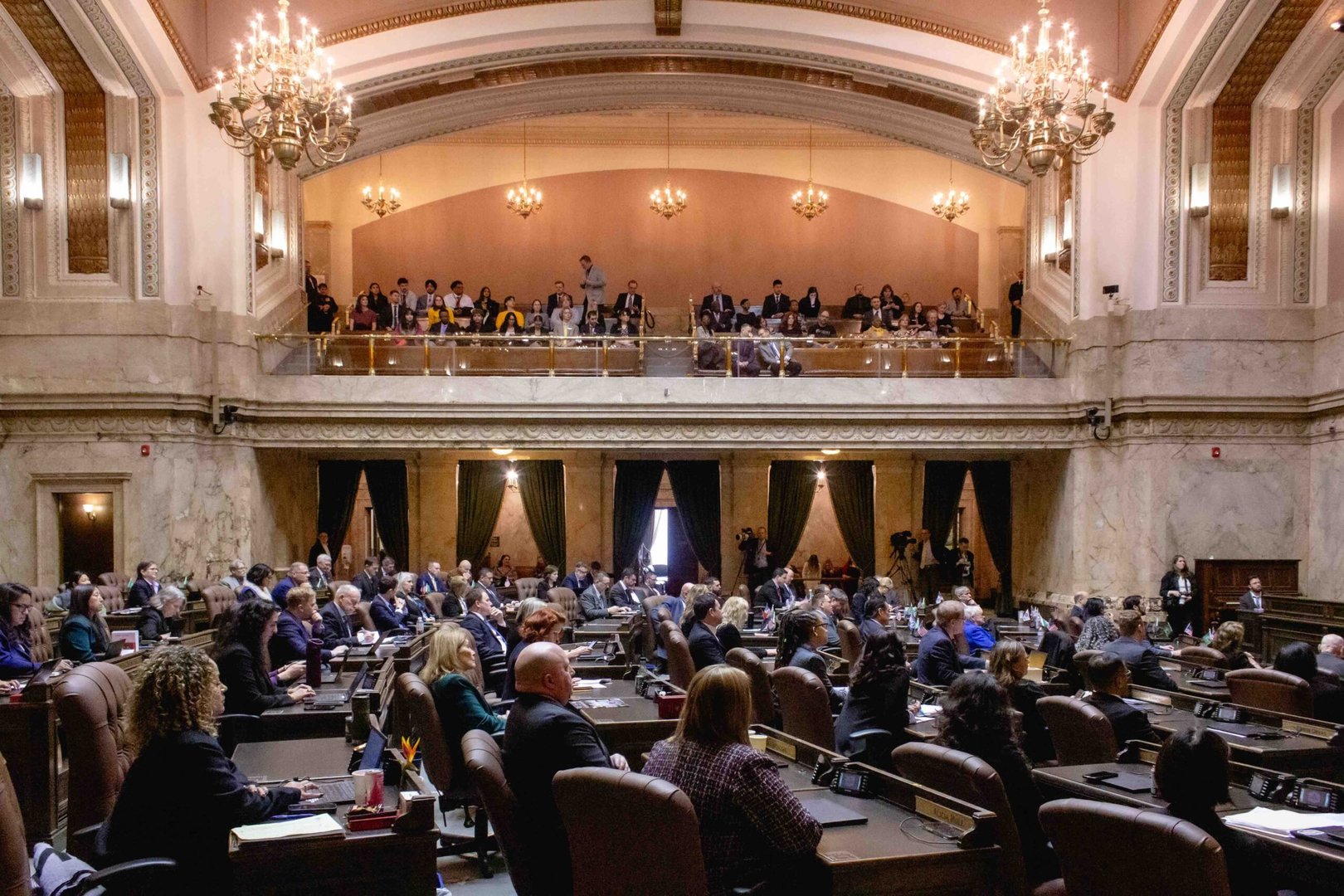
Washington State Legislature Convenes 2026 Session with Budget, Tax and Policy Battles Ahead
Lawmakers begin a 60-day short session in Olympia focused on supplemental budgets, tax proposals and emerging policy priorities
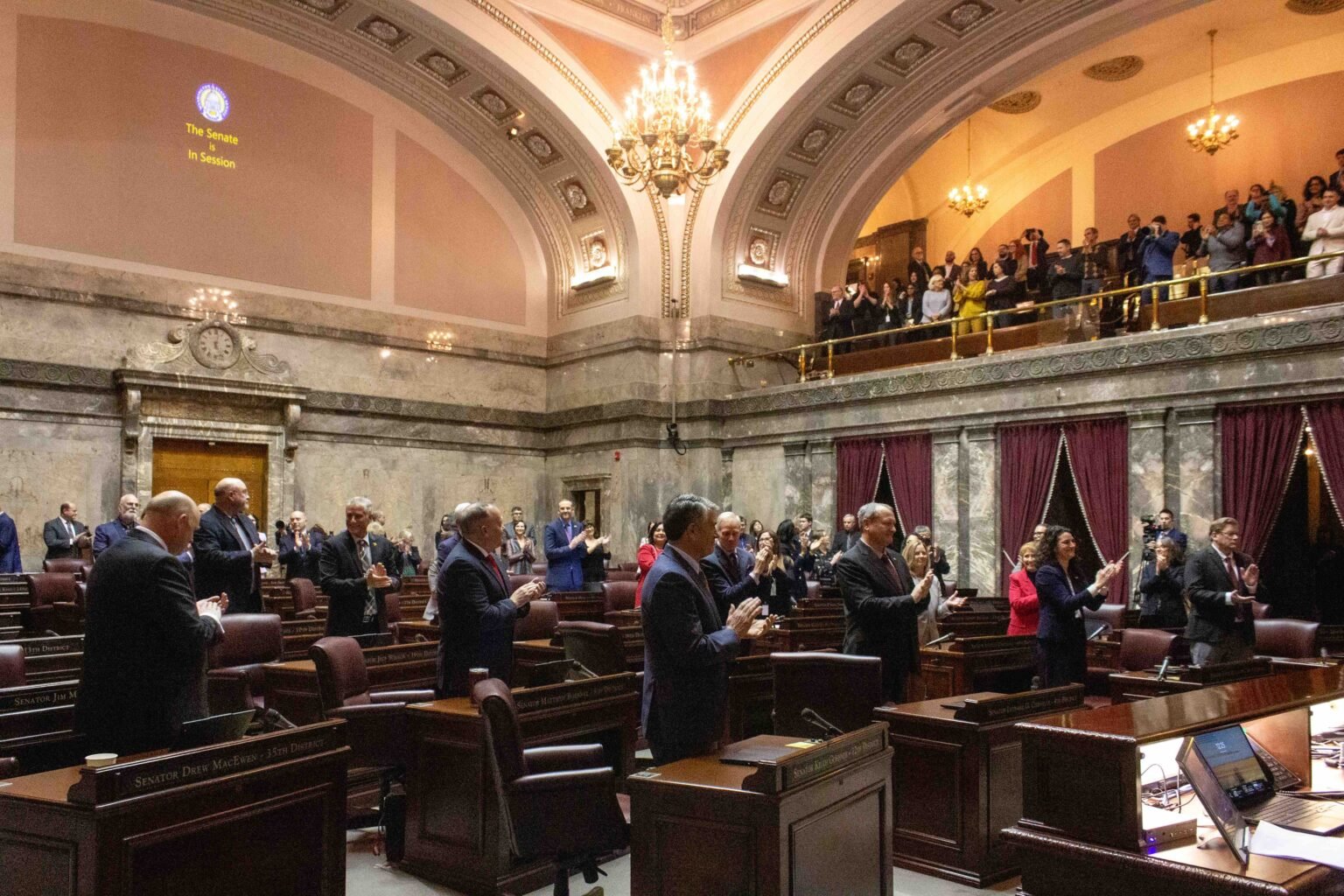
The Washington State Legislature opened its 2026 regular session on Monday in Olympia, beginning a constitutionally mandated 60-day short session that will run through March twelfth and concentrate on refining existing policies rather than wholesale new initiatives.
The session, which marks the second year of the 2025–27 biennial cycle, convened with ceremonial gavels and an agenda shaped by pressing debates over supplemental budgets, evolving tax proposals and a range of emerging legislative priorities.
The Legislature’s formal start date of January twelfth was confirmed by state officials, and Governor Bob Ferguson is scheduled to deliver the annual State of the State address early in the session.
Fiscal challenges are at the forefront, with lawmakers preparing to address a projected budget shortfall and consider a supplemental operating budget proposed by the governor that aims to balance finances as part of an estimated $79 billion two-year plan.
Among the most prominent proposals poised for debate is a plan backed by Democratic leaders, including Ferguson and House Speaker Laurie Jinkins, to introduce a near ten percent income tax on annual earnings above $1 million — a significant policy shift in a state traditionally without a personal income tax.
Republican lawmakers have already signalled strong opposition to the proposal and hinted at legal challenges should it advance.
Beyond fiscal matters, the session’s docket includes a range of priority issues identified by legislative caucuses and advocacy groups, including proposals to regulate artificial intelligence to protect children and other vulnerable groups, plans for supplemental operating and capital budgets, and ongoing discussions on housing, healthcare and education policy.
Washington’s Legislative Black Caucus, for instance, released its 2026 priorities ahead of the session, highlighting goals related to housing stability, economic opportunity and equity-focused reforms.
Lawmakers from both chambers face a compressed timeline, with hundreds of bills already in circulation and numerous deadlines approaching as the session progresses.
The opening of the legislature also coincides with preparatory work for the 2026 state elections, adding political context to deliberations.
As the session advances, observers expect intense negotiations over fiscal and social policy, with the outcomes likely shaping Washington’s legislative landscape and governance priorities well into the remainder of the biennial cycle.
The session, which marks the second year of the 2025–27 biennial cycle, convened with ceremonial gavels and an agenda shaped by pressing debates over supplemental budgets, evolving tax proposals and a range of emerging legislative priorities.
The Legislature’s formal start date of January twelfth was confirmed by state officials, and Governor Bob Ferguson is scheduled to deliver the annual State of the State address early in the session.
Fiscal challenges are at the forefront, with lawmakers preparing to address a projected budget shortfall and consider a supplemental operating budget proposed by the governor that aims to balance finances as part of an estimated $79 billion two-year plan.
Among the most prominent proposals poised for debate is a plan backed by Democratic leaders, including Ferguson and House Speaker Laurie Jinkins, to introduce a near ten percent income tax on annual earnings above $1 million — a significant policy shift in a state traditionally without a personal income tax.
Republican lawmakers have already signalled strong opposition to the proposal and hinted at legal challenges should it advance.
Beyond fiscal matters, the session’s docket includes a range of priority issues identified by legislative caucuses and advocacy groups, including proposals to regulate artificial intelligence to protect children and other vulnerable groups, plans for supplemental operating and capital budgets, and ongoing discussions on housing, healthcare and education policy.
Washington’s Legislative Black Caucus, for instance, released its 2026 priorities ahead of the session, highlighting goals related to housing stability, economic opportunity and equity-focused reforms.
Lawmakers from both chambers face a compressed timeline, with hundreds of bills already in circulation and numerous deadlines approaching as the session progresses.
The opening of the legislature also coincides with preparatory work for the 2026 state elections, adding political context to deliberations.
As the session advances, observers expect intense negotiations over fiscal and social policy, with the outcomes likely shaping Washington’s legislative landscape and governance priorities well into the remainder of the biennial cycle.