Focus on the BIG picture.
Friday, Dec 26, 2025
Outside the box.


White House Acknowledges Demolition of Historic East Wing as Plans for Trump’s Ballroom Advance
Despite earlier assurances that the structure would remain intact, the East Wing has been torn down to make way for a new grand ballroom project
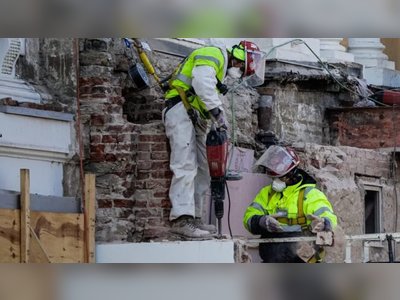
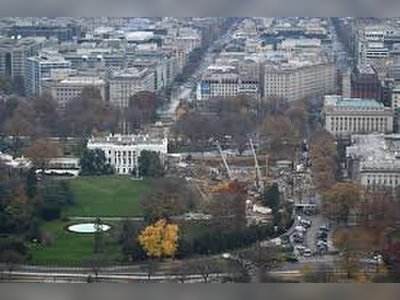
The White House has publicly acknowledged that its historic East Wing — an original part of the presidential residence complex dating back over eight decades — has been demolished as construction progresses on a proposed state ballroom championed by President Donald Trump.
The demolition, which began in October, marks a reversal from earlier statements by the administration that the new ballroom would not interfere with the existing building.
Images and official records confirm that the East Wing was taken down to clear the site for a substantially larger structure intended to host formal events.
President Trump first unveiled plans for a 90,000-square-foot ballroom in July, asserting that it would “pay total respect to the existing building” and “won’t interfere” with the current White House architecture.
However, preparatory work in September and the demolition in October made clear that the historic wing was being removed entirely to accommodate the much larger venue.
White House officials have since said that modernization needs necessitated the change and that demolition did not require prior approval from the National Capital Planning Commission because only the vertical construction phase will be subject to formal review ahead of building the ballroom.
The demolition has drawn scrutiny from preservation groups, lawmakers and public commentators who note that the planning process — including a full review by federal preservation bodies — is only now beginning even as substantial site work has been completed.
The National Capital Planning Commission has scheduled an informational presentation for January eighth, when the administration will outline the East Wing Modernization Project, signalling the start of a compressed formal review period.
The Trump administration argues that the ballroom project, funded by private donations and supported by the president as enhancing the White House’s capacity for state functions, remains within its authority.
Still, historic preservation advocates have expressed concern about the loss of the decades-old structure and the pace of the project’s approval process.
The White House’s current position acknowledges both the East Wing demolition and the ongoing development for the ballroom, marking a notable update to earlier assurances that the project would not fundamentally alter the existing structure.
As the January review approaches and litigation continues, debate over procedural compliance and the impact on the historic White House grounds is expected to intensify.
The demolition, which began in October, marks a reversal from earlier statements by the administration that the new ballroom would not interfere with the existing building.
Images and official records confirm that the East Wing was taken down to clear the site for a substantially larger structure intended to host formal events.
President Trump first unveiled plans for a 90,000-square-foot ballroom in July, asserting that it would “pay total respect to the existing building” and “won’t interfere” with the current White House architecture.
However, preparatory work in September and the demolition in October made clear that the historic wing was being removed entirely to accommodate the much larger venue.
White House officials have since said that modernization needs necessitated the change and that demolition did not require prior approval from the National Capital Planning Commission because only the vertical construction phase will be subject to formal review ahead of building the ballroom.
The demolition has drawn scrutiny from preservation groups, lawmakers and public commentators who note that the planning process — including a full review by federal preservation bodies — is only now beginning even as substantial site work has been completed.
The National Capital Planning Commission has scheduled an informational presentation for January eighth, when the administration will outline the East Wing Modernization Project, signalling the start of a compressed formal review period.
The Trump administration argues that the ballroom project, funded by private donations and supported by the president as enhancing the White House’s capacity for state functions, remains within its authority.
Still, historic preservation advocates have expressed concern about the loss of the decades-old structure and the pace of the project’s approval process.
The White House’s current position acknowledges both the East Wing demolition and the ongoing development for the ballroom, marking a notable update to earlier assurances that the project would not fundamentally alter the existing structure.
As the January review approaches and litigation continues, debate over procedural compliance and the impact on the historic White House grounds is expected to intensify.