Focus on the BIG picture.
Friday, Jan 16, 2026
Outside the box.

White House Briefs Public as Iran Unrest and U.S.–Tehran Tensions Evolve
Amid one of the deadliest periods of protest in Iran’s history and U.S. warnings of consequences, the White House holds a briefing outlining Washington’s stance as diplomatic and strategic pressures continue
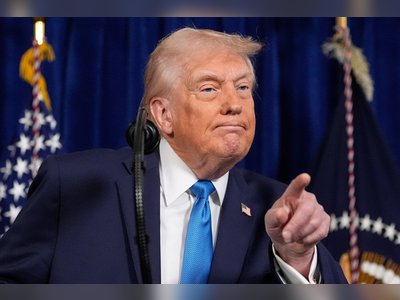
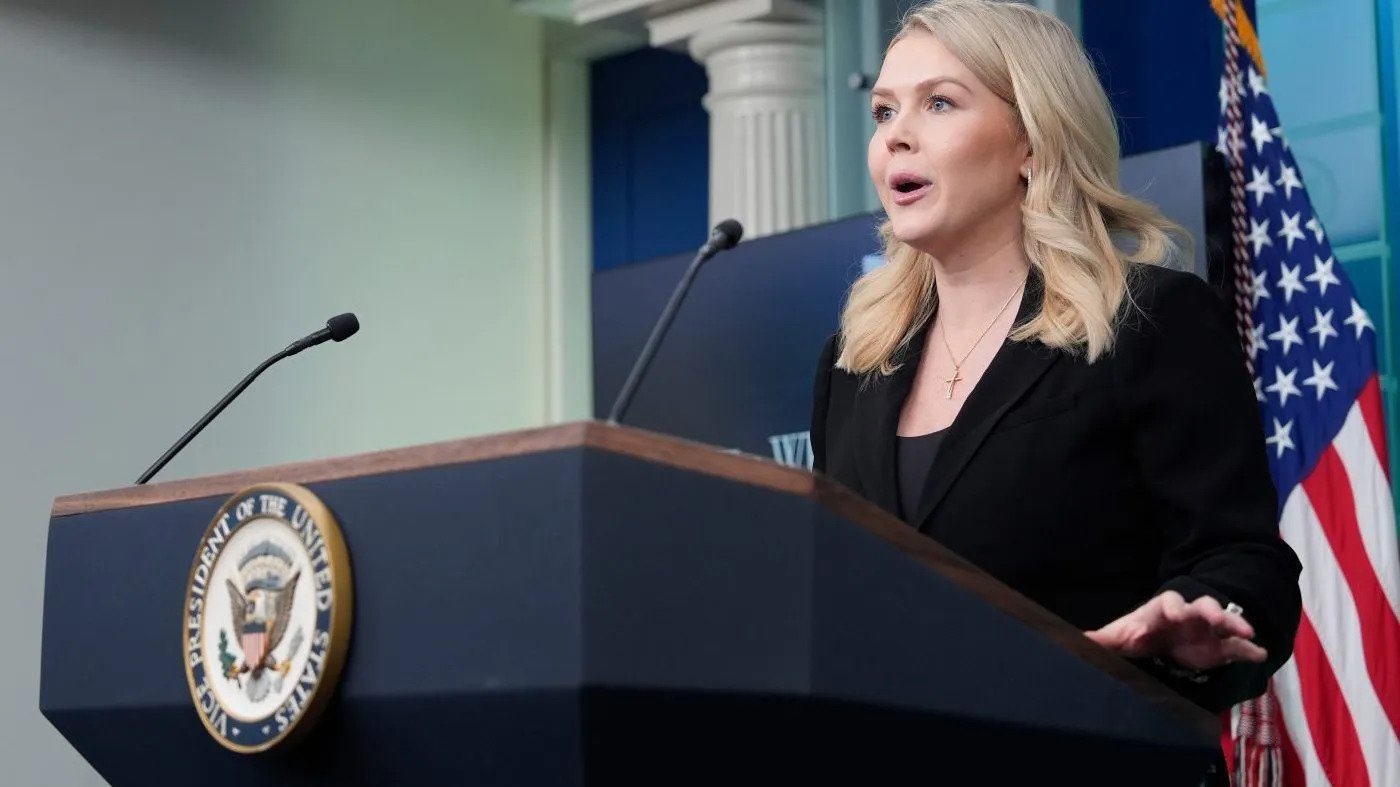
The White House held a briefing on January 15, as the Biden administration addressed unfolding events in Iran marked by nationwide protests, a brutal crackdown by Tehran’s security forces and heightened U.S.–Iran tensions.
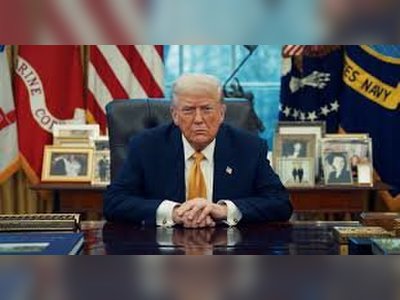
President Donald Trump and senior U.S. officials reiterated that all policy options remain under consideration, including diplomatic engagement, economic sanctions and possible military measures, while emphasizing a continued emphasis on de-escalation and monitoring the situation closely.
The protests that began in late December have grown into the most significant anti-government unrest since the Islamic Republic’s 1979 revolution.
Activist groups report that more than two thousand people have been killed in clashes with Iranian security forces, with thousands more detained amid near-total internet and communications blackouts imposed by Iranian authorities.
The domestic turmoil, initially driven by economic hardship and currency collapse, has evolved into broader calls for systemic change, drawing international attention and concern over human rights abuses.
Iranian state media has partly acknowledged the scale of deaths, describing many as “martyrs.”
In his latest comments to reporters, President Trump said he had received assurances that executions of protesters had been halted and cited “important sources” indicating a pause in certain repressive measures.
U.S. pressure, including newly announced sanctions targeting senior Iranian officials involved in the crackdown, was credited by the White House with encouraging Tehran to suspend about eight hundred planned executions.
Officials also underscored that the United States is maintaining robust monitoring of developments on the ground and remains prepared to take further actions if conditions deteriorate.
The briefing underscored Washington’s dual approach of pressing for accountability in Iran’s handling of the protests while keeping diplomatic channels open.
Iranian Foreign Minister Abbas Araqchi reiterated in a separate interview that there were no plans for hanging protesters, responding directly to international scrutiny and U.S. warnings.
Tehran has opened limited lines of communication with Washington, with both sides signaling interest in some form of engagement amid the broader crisis.
Despite signs of a temporary de-escalation, regional and global tensions remain high.
Iran temporarily closed and then reopened its airspace, an action interpreted by some analysts as a reaction to the heightened geopolitical situation.
Foreign governments, including several in the Middle East, have urged restraint and continued diplomatic efforts to avoid wider conflict.
The United Nations Security Council convened an emergency session to discuss the protests after a U.S. request, where member states debated both Iran’s internal repression and the risk of escalation.
As the White House briefing concluded, U.S. officials maintained that while diplomacy remains the preferred path, Washington will respond firmly should Tehran’s actions further endanger civilian lives or regional stability.
The complex interplay between Iran’s internal upheaval and broader international pressures continues to shape U.S. policy and global reactions.
President Donald Trump and senior U.S. officials reiterated that all policy options remain under consideration, including diplomatic engagement, economic sanctions and possible military measures, while emphasizing a continued emphasis on de-escalation and monitoring the situation closely.
The protests that began in late December have grown into the most significant anti-government unrest since the Islamic Republic’s 1979 revolution.
Activist groups report that more than two thousand people have been killed in clashes with Iranian security forces, with thousands more detained amid near-total internet and communications blackouts imposed by Iranian authorities.
The domestic turmoil, initially driven by economic hardship and currency collapse, has evolved into broader calls for systemic change, drawing international attention and concern over human rights abuses.
Iranian state media has partly acknowledged the scale of deaths, describing many as “martyrs.”
In his latest comments to reporters, President Trump said he had received assurances that executions of protesters had been halted and cited “important sources” indicating a pause in certain repressive measures.
U.S. pressure, including newly announced sanctions targeting senior Iranian officials involved in the crackdown, was credited by the White House with encouraging Tehran to suspend about eight hundred planned executions.
Officials also underscored that the United States is maintaining robust monitoring of developments on the ground and remains prepared to take further actions if conditions deteriorate.
The briefing underscored Washington’s dual approach of pressing for accountability in Iran’s handling of the protests while keeping diplomatic channels open.
Iranian Foreign Minister Abbas Araqchi reiterated in a separate interview that there were no plans for hanging protesters, responding directly to international scrutiny and U.S. warnings.
Tehran has opened limited lines of communication with Washington, with both sides signaling interest in some form of engagement amid the broader crisis.
Despite signs of a temporary de-escalation, regional and global tensions remain high.
Iran temporarily closed and then reopened its airspace, an action interpreted by some analysts as a reaction to the heightened geopolitical situation.
Foreign governments, including several in the Middle East, have urged restraint and continued diplomatic efforts to avoid wider conflict.
The United Nations Security Council convened an emergency session to discuss the protests after a U.S. request, where member states debated both Iran’s internal repression and the risk of escalation.
As the White House briefing concluded, U.S. officials maintained that while diplomacy remains the preferred path, Washington will respond firmly should Tehran’s actions further endanger civilian lives or regional stability.
The complex interplay between Iran’s internal upheaval and broader international pressures continues to shape U.S. policy and global reactions.